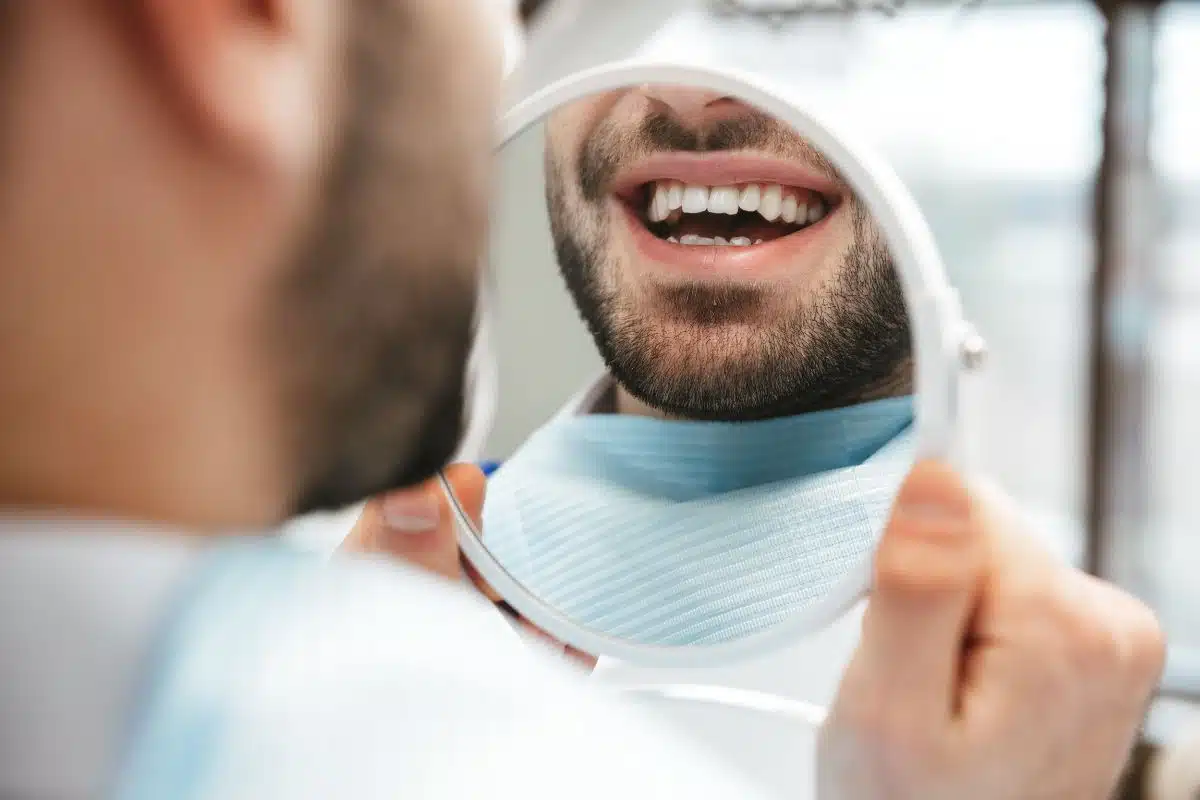

A toothache can be incredibly frustrating — but when that pain spreads to your ear, it becomes even more confusing. You might wonder if there’s something wrong with both your teeth and your ears. The truth is: these two areas are closely linked!
Tooth pain that leads to ear discomfort is more common than you might think. Understanding what causes this connection can help you get the right treatment faster. If you’re experiencing ongoing pain, a dentist can evaluate the exact cause and help you find relief.
At Brighton Healthy Smiles, we frequently see patients who have dental issues that trigger ear pain. Let’s uncover why this happens and what you can do about it.
How Tooth Pain Travels to Your Ear
Your teeth, gums, jaw joints, and ears share some of the same nerves. One major nerve — the trigeminal nerve — sends signals from your face to your brain. When a tooth is irritated or infected, the brain may mistakenly identify the pain as coming from the ear.
Common dental issues that can trigger ear pain include:
- Tooth decay or cavities
- Gum infection
- Abscess (serious tooth infection)
- Cracked or fractured tooth
- Erupting wisdom teeth
- Grinding or clenching
This type of pain is known as referred pain — it starts in one place but is felt somewhere else.
TMJ Problems: A Hidden Cause of Ear Pain
Your temporomandibular joint (TMJ) connects your jaw to your skull, located right next to your ears. When the TMJ is inflamed or strained, it can cause:
- Earaches
- Clicking or popping sounds when chewing
- Jaw tightness
- Headaches
- Neck and facial pain
TMJ issues can develop from stress, teeth grinding, bite problems, or arthritis. Our Brighton dentist can assess your jaw joints and recommend solutions like nightguards or bite adjustment.
Sinus Pressure and Tooth Pain: A Two-Way Street
Your upper back teeth are positioned close to your sinuses. When your sinuses become inflamed — often from a cold or allergies — you may feel:
- Pressure around the ears
- Soreness in the upper teeth
- Facial tenderness
Sometimes, a toothache misleads you into thinking it’s sinus pain — and vice versa. That’s why getting a dental evaluation is important to determine the true cause.
When Tooth Infections Become Ear Pain Emergencies
A severe tooth infection can spread and put nearby structures — including the ear — at risk. Warning signs of a dangerous infection include:
- Intense, throbbing pain
- Difficulty swallowing or opening your mouth
- Swelling in your jaw or face
- Fever or foul taste in the mouth
- Ear pain that won’t go away
If you notice these symptoms, contact your dentist immediately. Early treatment can prevent complications and protect your oral and overall health.
Home Remedies for Temporary Relief
While you wait to see a dentist, these tips may help reduce discomfort temporarily:
- Warm saltwater rinses
- Over-the-counter pain relievers like ibuprofen
- Applying a cold compress to the jaw
- Avoiding hard or sugary foods
- Sleeping with your head elevated
Important: Home care only manages symptoms, not the cause. Professional dental treatment is necessary to stop the pain from returning.
How our Brighton Dentist Can Help
At our dental office, we diagnose and treat the root cause of your ear-related tooth pain. Depending on your condition, treatments may include:
- Cavity fillings
- Deep cleaning for gum disease
- Root canal therapy for infected teeth
- TMJ treatments like nightguards
- Wisdom tooth evaluation and removal
Our goal is to restore comfort and protect your long-term oral health.
How to Prevent Toothaches and Ear Pain
Good dental habits go a long way toward keeping ear pain away. Try to:
- Brush twice daily with fluoride toothpaste
- Floss every day
- Get routine checkups every six months
- Reduce sugar and acidic foods
- Wear a mouthguard if you grind your teeth
- Address minor dental issues early
Prevention is always easier than dealing with a painful infection later!
FAQs About Toothaches and Ear Pain
Can ear pain be the only sign of a tooth problem?
Yes. Some dental issues cause no tooth pain at all but still trigger discomfort in the ear.
How can I tell if it’s a toothache or an ear infection?
Tooth pain typically worsens with chewing, hot/cold foods, or touching the tooth. Ear infections often come with hearing changes or fluid buildup. A professional exam gives the most accurate answer.
Is ear pain from a toothache serious?
It can be. Infection may spread if left untreated — so don’t ignore persistent pain.
Can wisdom teeth cause ear pain?
Absolutely. Impacted or erupting wisdom teeth often cause swelling and discomfort that radiates to the ear.
Do TMJ disorders affect ear health?
Yes. TMJ inflammation commonly leads to earaches, ringing in the ears, or pressure.
Should I see a dentist or a doctor first?
If you suspect the pain is linked to your teeth or jaw, seeing a dentist is a great way to start.
Take Charge of Your Oral Health
Ear pain caused by a tooth problem can interrupt your day, affect your sleep, and create unnecessary worry. But with the right treatment, relief is possible — and usually much faster than you expect.
If you’re noticing earaches along with dental symptoms like sensitivity or jaw discomfort, don’t wait. Our team is here to provide thorough diagnosis and personalized care to get you feeling better quickly.