When you’ve just had a tooth removed, eating can feel like a challenge. Many people immediately crave something cold and soothing—like ice cream. But is it actually safe? The idea of grabbing a cold scoop right after a dental procedure can be tempting, especially when your mouth feels sore and sensitive. Before you do, it’s important to understand when it’s helpful, when it’s not, and what you should avoid to protect your healing site.
Tooth extraction triggers a natural healing process. The soft tissue needs time, protection, and gentle care, especially in the first 24–48 hours. Eating the right foods can speed up recovery. Eating the wrong ones can cause pain, infection, bleeding, and even dry socket. Ice cream can be part of your recovery diet—but only if eaten the right way and at the right time.
Is Ice Cream Good or Bad After a Tooth Extraction?
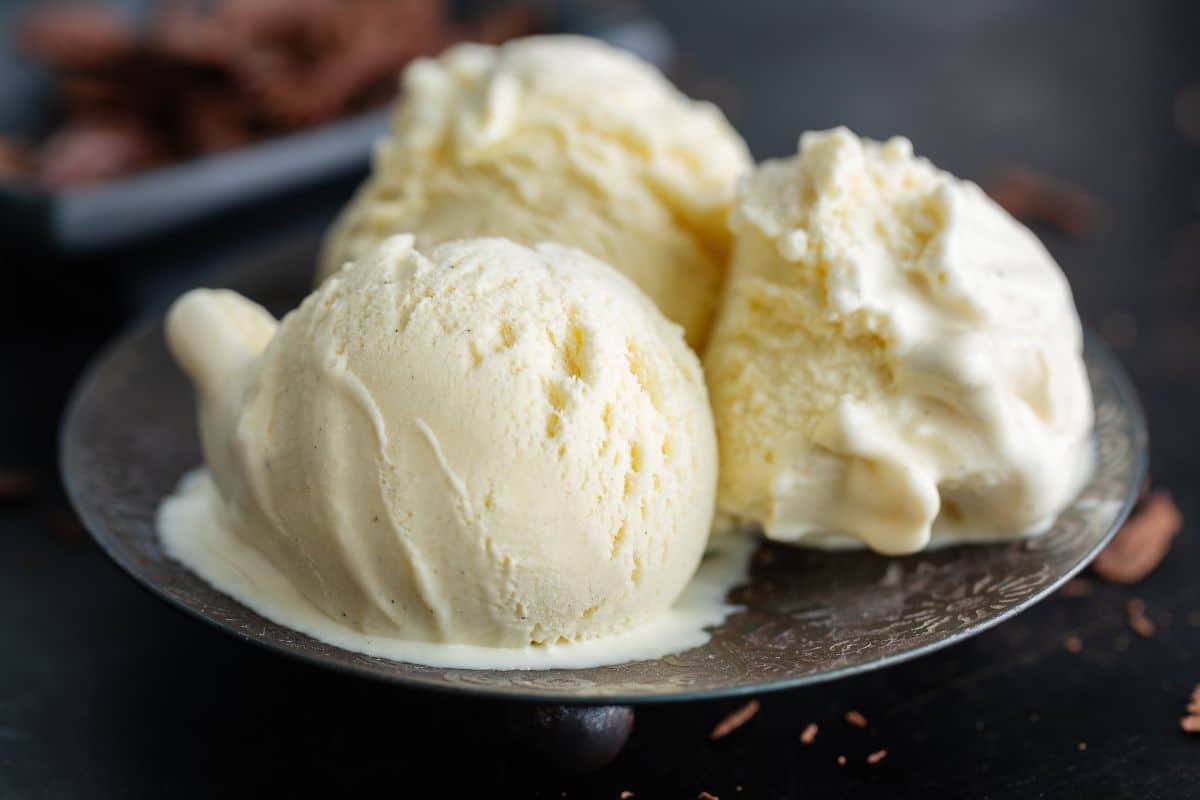
Ice cream can actually be helpful right after a tooth extraction—but only the plain, soft kind. Here’s why many dentists approve it:
Benefits
- Cold temperature reduces swelling. It helps constrict blood vessels and soothe the area.
- Soft texture requires no chewing. This protects the healing site from pressure.
- Comfort food effect. When your mouth is sore, cool and sweet foods feel calming.
However, there are risks if you’re not careful:
- Hard, crunchy mix-ins like nuts or cookies can irritate the extraction site.
- Ice cream that’s too cold may cause sensitivity.
- Sugary foods increase bacteria in the mouth, which isn’t ideal during healing.
So yes, you can eat ice cream, but you should choose the right type and consume it correctly.
The Best Types of Ice Cream to Eat After Extraction
Not every ice cream is suitable. The goal is to protect the blood clot and reduce irritation.
Stick to these safe options:
- Plain vanilla
- Chocolate (smooth only)
- Soft-serve
- Gelato without chunks
- Frozen yogurt (smooth)
Avoid anything with:
- Nuts
- Chocolate chips
- Cookies
- Candies
- Hard swirls (like caramel chunks)
- Waffle cones
If your dentist has given you specific dietary restrictions, follow those instructions over general guidelines.
When Should You Avoid Ice Cream?
Ice cream may sound harmless, but certain situations require extra caution.
Avoid ice cream if:
- You’re experiencing extreme sensitivity to cold after extraction.
- You have a history of dry socket, as sugary foods increase bacterial activity.
- You’re dealing with stomach discomfort, since dairy can make nausea worse after anesthesia.
Always listen to your body. If the cold sensation feels harsh, choose a different soft food.
Foods That Are Safer Than Ice Cream in the First Few Hours
Even though ice cream is safe, some people prefer milder foods early on.
Here are gentle alternatives recommended by many dental professionals:
- Applesauce
- Mashed bananas
- Cool soups (not hot)
- Smooth yogurt
- Mashed potatoes
- Pudding
- Oatmeal (after 2–3 days)
- Smoothies (no seeds, no straw)
Remember: Never use a straw after extraction. The suction can dislodge the blood clot and cause dry socket.
How to Eat Ice Cream Safely After a Tooth Extraction
You can enjoy ice cream without risking complications if you follow these tips:
- Choose soft ice cream only. No chunks, no crunchy toppings.
- Let it soften slightly. Extremely cold ice cream may irritate healing tissue.
- Spoon small bites. Avoid wide mouth movements that strain your jaw.
- Avoid swishing it in your mouth. Swishing can disturb the extraction area.
- Rinse with water after eating. This helps remove sugar that can increase bacteria.
- Brush gently around the area. Do not brush directly on the extraction site for the first 24 hours.
Following these steps keeps both your comfort and your healing in check.
How Long Should You Stick to Soft Foods?
Most dentists, including our dentist in Brighton, recommend sticking to soft foods for at least 48–72 hours. Full healing can take a week or more. The more difficult the extraction (such as wisdom teeth), the longer you should continue with soft foods.
Your diet progression can look like this:
Day 1–2
- Ice cream
- Yogurt
- Smooth soups
- Applesauce
- Mashed potatoes
- Pudding
Day 3–5
- Scrambled eggs
- Soft pasta
- Warm (not hot) cereals
- Avocado
- Soft fish
Day 5 and beyond
- Add foods slowly
- Avoid anything crunchy for at least 7 days
Signs Ice Cream or Other Foods Are Irritating Your Extraction Site
Stop eating ice cream or switch to gentler foods if you notice:
- Throbbing pain that increases after eating
- Bleeding that starts again
- Sensitivity to cold that feels sharp or worsening
- Food getting stuck in the extraction site
- Bad taste or odor coming from the area
If symptoms persist, contact your dentist immediately.
When to Contact Your Dentist
Your mouth should feel gradually better every day. If you notice:
- Severe pain 3–5 days after the extraction
- Pus, swelling, or fever
- Dry socket symptoms
- Difficulty swallowing or opening your mouth
Your dentist can guide you or bring you in for evaluation.
FAQs
Can I eat ice cream immediately after a tooth extraction?
Yes—soft, plain ice cream is generally safe right away, unless your dentist advised otherwise.
Is dairy safe after tooth extraction?
Yes. There is no evidence that dairy disrupts healing unless you personally experience nausea.
Can I have milkshakes instead?
You can—but do not use a straw. Use a spoon and avoid thick shakes that require strong suction.
What cold foods are better than ice cream?
Smooth yogurt, pudding, blended fruit smoothies (without seeds), and applesauce are excellent choices.
Can ice cream cause dry socket?
Not directly. However, sugary foods can increase bacteria, so rinse gently afterward.
When can I eat crunchy foods again?
Usually, after 7–10 days, depending on your healing.
What if I am lactose intolerant?
Go for dairy-free ice creams like coconut milk or almond milk varieties—just ensure they’re smooth and chunk-free.
Can I eat chocolate ice cream?
Yes, as long as it’s smooth and doesn’t contain chips, chunks, or mix-ins.
A Smooth Recovery Starts With Smart Choices
Ice cream can absolutely fit into your post-extraction diet when chosen carefully. Soft, smooth, and slightly softened ice cream can offer comfort and help reduce swelling in the first 24 hours. Pair it with other soothing soft foods, protect the blood clot, and monitor your healing for the best results.
Our team at Brighton Healthy Smiles is always there to guide you through each step of your recovery and make sure your smile heals comfortably and safely.