Brighton Healthy Smiles offers Botox
Common treatment for cosmetic purposes, TMD pain, migraines as well as other conditions.
Dr. Birchmeier is certified through the American Academy of Facial Esthetics.
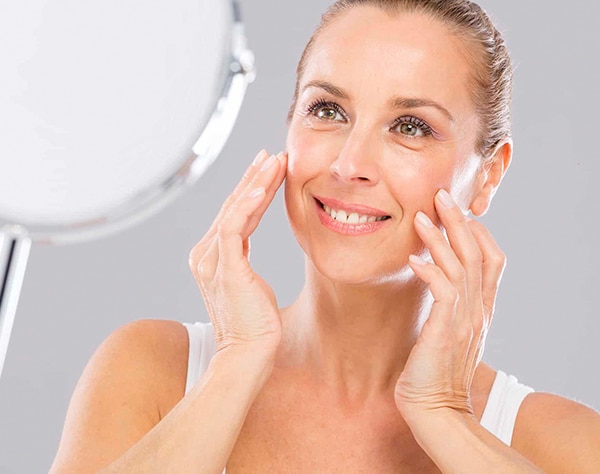
Botox is a prescription medication that is used to treat a variety of conditions, including wrinkles, excessive sweating, and muscle spasms. It is a neurotoxin that works by blocking the release of a chemical called acetylcholine, which is responsible for muscle contractions. When Botox is injected into a muscle, it causes the muscle to relax, which can help to reduce the appearance of wrinkles.
Botox is a safe and effective treatment for wrinkles. It is FDA-approved for the treatment of frown lines, crow’s feet, and forehead lines. Botox can also be used to treat other conditions, such as excessive sweating, muscle spasms, and chronic migraines.
If you are considering Botox treatment, it is important to talk to your cosmetic dentist tor about the risks and benefits of the procedure. Botox is not right for everyone, and it is important to make sure that you are a good candidate for the treatment.
How Does Botox Work?
Botox works by blocking the release of acetylcholine, a chemical that is responsible for muscle contractions. When Botox is injected into a muscle, it causes the muscle to relax. This can help to reduce the appearance of wrinkles.
Botox is typically injected into the muscles around the eyes, forehead, and mouth. The injections are usually very small and do not require any anesthesia.
How Long Does Botox Last?
The effects of Botox typically last for 3 to 6 months. After this time, the muscles will begin to move again, and the wrinkles will start to reappear. If you want to maintain the results of your Botox treatment, you will need to have the injections repeated every 3 to 6 months.
What are the Benefits of Botox?
Botox has many benefits, including:
- Reducing the appearance of wrinkles
- Treating excessive sweating
- Relieving muscle spasms
- Preventing migraine headaches
- Reducing pain from clenching and grinding
Botox for TMD Pain
Botox can also be used to treat TMD pain. TMD is a condition that affects the muscles and joints of the jaw. It can cause pain, clicking, and popping in the jaw, as well as headaches and neck pain.
Botox can be injected into the muscles of the jaw to help relax them and reduce pain. It can also be used to treat the muscles that control the movement of the jaw.
Botox is a safe and effective treatment for TMD pain. It is usually used in combination with other treatments, such as physical therapy and medication.
Botox for Migraines
Botox can also be used to treat migraines. Migraines are a type of headache that can cause severe pain, nausea, and vomiting.
Botox is injected into the muscles around the head and neck to help relax them and reduce pain. It can also be used to treat the muscles that control the movement of the head.
Botox is a safe and effective treatment for migraines. It is usually used in combination with other treatments, such as medication and lifestyle changes.
If you are interested in learning more about Botox, don't hesitate to talk to our cosmetic dentist in Brighton.
Trigger Point Therapy
Trigger point therapy is a type of massage therapy that involves applying pressure to trigger points. Trigger points are knots in muscles that can cause pain, tenderness, and stiffness. When pressure is applied to a trigger point, it can help to release the muscle and reduce pain.
Botox is often used in conjunction with trigger point therapy to help reduce pain and improve function. Botox can help to relax the muscle and make it easier to apply pressure to the trigger point. It can also help to reduce the number of trigger points that are active.
Botox is a safe and effective treatment for trigger point pain. It is usually used in combination with other treatments, such as medication and lifestyle changes.
What are the Risks of Botox?
Botox is a safe and effective treatment, but it is important to be aware of the risks before you decide to have the procedure. The most common side effects of Botox are bruising, redness, and swelling at the injection site. These side effects are usually mild and go away on their own within a few days.
More serious side effects of Botox are rare, but they can occur. These side effects include:
- Difficulty swallowing or speaking
- Double vision
- Drooping eyelids
- Dry mouth
- Headaches
- Numbness or tingling in the face
- Weakness in the face
If you experience any of these side effects after having Botox, you should contact your dentist right away.
Is Botox Right for You?
If you are considering Botox treatment, it is important to talk to your dentist about the risks and benefits of the procedure. Botox is not right for everyone, and it is important to make sure that you are a good candidate for the treatment.
Some factors that your cosmetic dentist will consider when deciding if Botox is right for you include:
- Your age
- Your skin type
- The severity of your wrinkles
- Your medical history
- Your current medications
If you are a good candidate for Botox treatment, it can be a safe and effective way to reduce the appearance of wrinkles. Botox can also be used to treat other conditions, such as excessive sweating, muscle spasms, and chronic migraines.
If you are interested in learning more about Botox, please consult your dentist.