
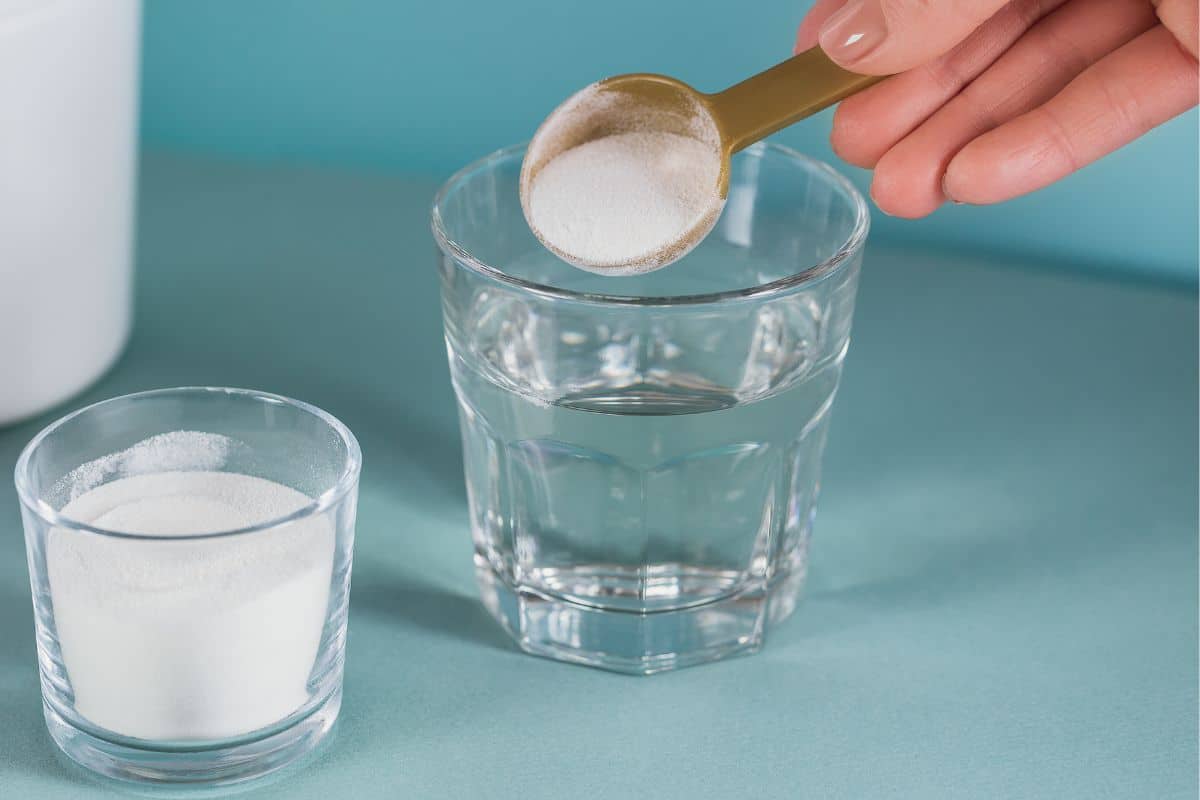
Have you ever wondered why your dentist recommends rinsing with salt water after a dental procedure or when your gums feel sore? This age-old remedy is more than just a home tradition — it’s backed by science. Salt water mouth rinse offers multiple oral health benefits, from reducing inflammation to promoting healing. It’s an easy, cost-effective, and natural solution that can be part of your daily routine. In this blog, we’ll uncover how salt water works, its benefits, and the best way to use it safely.
Why Salt Water Works Wonders for Your Mouth
A salt water mouth rinse is essentially a natural disinfectant. The salt helps draw out fluids from inflamed tissues, reducing swelling and creating an environment where harmful bacteria struggle to survive. It also helps balance the mouth’s pH, making it less hospitable to germs that cause cavities and gum disease.
When you rinse with a saltwater solution, it can:
- Soothe irritation caused by minor mouth sores or cuts
- Reduce bacteria that lead to plaque buildup
- Help gums recover after dental treatments
- Freshen breath naturally without harsh chemicals
This gentle solution can support your oral health between dental visits, ensuring a cleaner and healthier mouth.
The Science Behind Salt Water’s Healing Power
Salt, or sodium chloride, works through a process called osmosis. When you rinse with salt water, the solution draws moisture out of bacterial cells in your mouth, effectively dehydrating and killing them. This makes it a mild yet powerful antiseptic that helps prevent infection, especially after tooth extractions or oral surgery.
Studies published in dental journals have shown that regular saltwater rinses can reduce oral bacteria levels significantly and aid tissue healing. Plus, it doesn’t disrupt the balance of your mouth’s natural microbiome the way some mouthwashes might.
How to Make and Use a Salt Water Mouth Rinse
Making a salt water rinse is incredibly simple — and it doesn’t require any special ingredients. Follow this easy guide:
Ingredients:
- 1 cup of warm water (about 8 ounces)
- ½ teaspoon of table salt or sea salt
Instructions:
- Mix the salt into the warm water until it fully dissolves.
- Take a sip, swish it around your mouth gently for 15–30 seconds, then spit it out.
- Repeat until you’ve used all the solution.
Pro Tips:
- Use the rinse two to three times a day for best results, especially after meals or dental work.
- Avoid swallowing the solution — it’s not meant to be ingested.
- If your mouth feels dry or irritated after rinsing, reduce the salt concentration slightly.
Our dental professionals in Brighton often recommend salt water rinses after certain treatments to promote healing and keep your gums healthy.
Can Salt Water Rinse Heal Gum Infections?
While salt water isn’t a cure for serious gum infections, it can help reduce inflammation and slow bacterial growth. For conditions like gingivitis, it’s a supportive home remedy that complements professional dental care. If your gums are swollen or bleed frequently, a saltwater rinse can soothe discomfort and help control bacteria until you visit your dentist.
However, persistent gum issues require professional evaluation. Your dentist can identify whether you’re dealing with gingivitis, periodontitis, or another underlying issue that needs targeted treatment.
Are There Any Disadvantages?
While salt water rinses are generally safe, overuse can cause dryness or irritation. Too much salt can dehydrate your mouth’s tissues, leading to discomfort or even worsening sensitivity. People with high blood pressure should also be cautious, as they might absorb small amounts of sodium through oral tissues.
Use moderation — once or twice daily is typically sufficient. For long-term oral hygiene, pair your rinse with regular brushing, flossing, and professional cleanings.
Should You Brush After a Salt Water Rinse?
It’s generally safe to brush your teeth after a salt water rinse, but dentists recommend waiting a few minutes to avoid irritating sensitive areas. If you’ve just undergone a dental procedure, your dentist might advise skipping brushing immediately afterward and using salt water as a gentle cleansing alternative for a day or two.
Can Salt Water Whiten Your Teeth?
Salt water can help remove surface debris and reduce bacteria, making your teeth appear cleaner — but it won’t actually whiten enamel. For brightening your smile, professional whitening treatments or polishing are far more effective options.
FAQs About Salt Water Mouth Rinse
Is it good to rinse your mouth with salt water daily?
Yes, it’s safe for short-term or occasional use. It can help reduce bacteria and inflammation, but for long-term care, it should supplement, not replace, brushing and flossing.
Is table salt okay for a mouth rinse?
Absolutely. Regular table salt works just fine. You can also use sea salt, but avoid iodized salts with additives or flavoring.
Can a salt water rinse heal an infection?
It helps manage mild infections and promote healing, but for serious infections or abscesses, you’ll need professional dental care.
How long should you salt rinse your mouth?
Swish for about 15–30 seconds before spitting out. Repeat 2–3 times a day, especially after eating or dental procedures.
Can salt water get rid of yellow teeth?
No — it can make your teeth look cleaner, but won’t change their natural color. Whitening treatments or professional cleaning are better options.
What are the disadvantages of salt water rinse?
Overuse can cause dry mouth or irritation. Stick to a mild concentration and avoid swallowing the solution.
A Simple Step Toward a Healthier Smile
A salt water mouth rinse is a time-tested remedy that continues to prove its worth in modern dentistry. It’s gentle, inexpensive, and effective in reducing bacteria, soothing inflammation, and aiding recovery after dental treatments. However, it’s not a substitute for professional dental care.
For the best results, maintain good oral hygiene habits and schedule regular checkups with your trusted Brighton dentist at Brighton Healthy Smiles. Together, you can keep your smile healthy, fresh, and strong — naturally.