Tooth extraction is one of the most common dental procedures, but proper care afterward is key to ensuring a smooth and speedy recovery. Whether your tooth was removed due to decay, infection, or orthodontic reasons, following the right aftercare steps will help you avoid complications like dry socket, prolonged bleeding, or infection.
If you recently had an extraction or have one scheduled, your dentist will provide personalized instructions. Still, knowing the general do’s and don’ts after tooth removal can make a big difference. At Brighton Healthy Smiles, we believe informed patients heal faster and maintain healthier smiles.
Let’s walk through some important recovery tips.
Essential Do’s After a Tooth Extraction
Taking care of yourself in the first 24–48 hours after extraction is crucial. Here are the steps to follow:
- Keep the gauze in place – Bite gently on the gauze pad placed by your dentist to help stop bleeding. Replace it as instructed.
- Rest well – Avoid strenuous activity for the first day. Resting helps your body heal faster.
- Apply ice packs – Use an ice pack on your cheek for 15 minutes on and off to minimize swelling.
- Take prescribed medication – Follow your dentist’s instructions regarding pain relief and antibiotics.
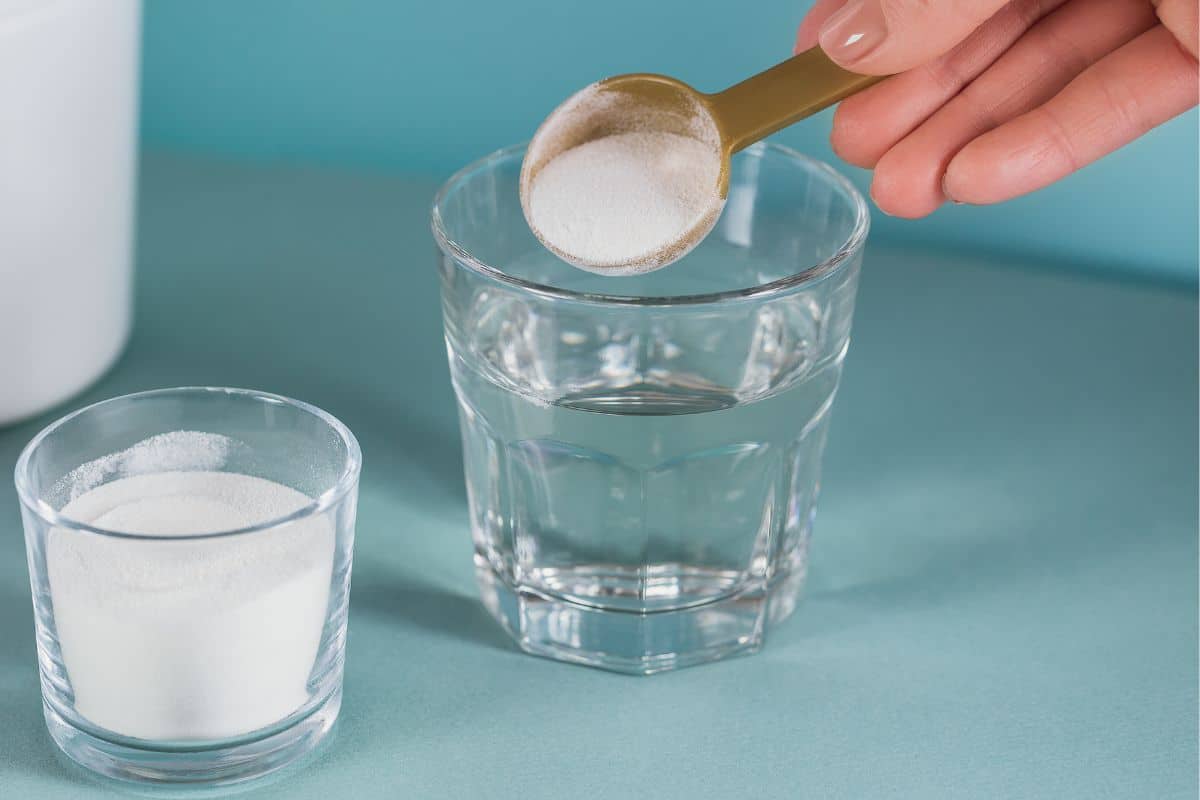
- Maintain oral hygiene carefully – Continue brushing your teeth, but avoid the extraction site for the first day. After 24 hours, gently rinse with warm saltwater to keep the area clean.
- Stay hydrated – Drink plenty of water, but avoid using straws as suction can dislodge the clot.
What You Should Avoid After Extraction
Ignoring post-extraction instructions may slow recovery or lead to complications. Here are some important don’ts:
- Don’t smoke or vape – The suction and chemicals delay healing and may cause dry socket.
- Don’t drink alcohol – It can interfere with medications and slow down clotting.
- Don’t eat hard, crunchy, or spicy foods – Stick to soft foods like yogurt, mashed potatoes, or smoothies for the first few days.
- Don’t spit forcefully or rinse vigorously – Both can dislodge the protective blood clot.
- Don’t touch the area with your fingers or tongue – It may irritate the wound and introduce bacteria.
Choosing the Right Foods During Recovery
Your diet plays an important role in recovery after a tooth extraction. Eating the wrong foods can cause pain and disturb healing, while the right foods will provide comfort and nutrients.
- Best foods to eat: applesauce, oatmeal, scrambled eggs, smoothies, yogurt, mashed bananas, broths, cottage cheese.
- Avoid foods like: chips, nuts, popcorn, spicy sauces, acidic drinks, and carbonated sodas.
Stick to soft foods for the first few days, then gradually reintroduce solids as recommended by your dentist.
Signs You Should Contact Your Dentist
Healing time varies from patient to patient, but there are some warning signs you shouldn’t ignore. Call your dentist right away if you notice:
- Persistent bleeding beyond 24 hours
- Severe or increasing pain that medications don’t help
- Swelling that worsens after 48 hours
- Signs of infection, such as fever, pus, or bad breath
- Numbness that doesn’t go away after anesthesia
Our Brighton dentist always encourages patients to check in if they have concerns—early treatment prevents serious complications.
How Long Does Recovery Take?
For most patients, initial healing takes about 1–2 weeks. The first 24 hours are the most critical, as that’s when a blood clot forms to protect the bone and nerves. By the third or fourth day, pain and swelling typically reduce. Complete bone and gum healing may take several weeks, but with proper care, discomfort should be minimal.
FAQs About Tooth Extraction Aftercare
Can I brush my teeth after an extraction?
Yes, but avoid brushing near the extraction site for at least 24 hours. After that, brush gently around the area.
When can I return to work?
Most people can return to work or school within 1–2 days, depending on how physically demanding their routine is.
How can I sleep comfortably after extraction?
Prop your head up with an extra pillow to minimize swelling and avoid lying flat.
Can I exercise after a tooth extraction?
Strenuous activity should be avoided for at least 48–72 hours to prevent bleeding and clot disruption.
What if I develop a dry socket?
A dry socket happens when the blood clot dislodges or fails to form. This can be very painful and requires immediate treatment from a dentist.
Smooth Recovery Starts With the Right Care
A tooth extraction doesn’t have to be a stressful experience if you follow the right aftercare. Sticking to the do’s, avoiding the don’ts, and knowing when to call your dentist will help you recover quickly and comfortably.
If you’re in need of reliable dental care, the team at Brighton Healthy Smiles is here to guide you through every step—from extractions to long-term oral health. Trust our dentist to provide the compassionate care and professional advice you need for a healthier, brighter smile.