When it comes to oral hygiene, most people stock up on toothpaste, mouthwash, and dental floss without thinking twice. But here’s a question that often comes up: Does dental floss expire? You might be surprised to know that while floss doesn’t technically “expire” like food or medicine, its quality and effectiveness can still decline over time. If you’ve found an old container tucked away in your bathroom drawer, you may wonder whether it’s safe—or even useful—to keep using it.
At Brighton Healthy Smiles, we often guide patients on proper oral care routines, and yes, flossing is always part of that discussion. Let’s take a closer look at whether dental floss goes bad, when you should replace it, and why flossing daily is so important for your dental health.
Can Dental Floss Really Expire?
Most dental floss products don’t come with a printed expiration date. That’s because floss is made of durable materials like nylon or Teflon, which don’t degrade easily. However, that doesn’t mean it lasts forever.
Over time, dental floss can:
- Lose its strength – old floss may shred or break easily.
- Dry out – flavored or waxed floss may lose coating, making it less effective.
- Collect bacteria – if stored improperly, floss containers can harbor germs.
- Lose freshness – flavored floss can taste stale after a few years.
So, while floss won’t become harmful overnight, using very old floss may not give you the same benefits as a fresh one.
How Long Does Dental Floss Stay Good?
On average, unopened dental floss can last for several years if kept in a cool, dry place. Opened floss, however, is more prone to contamination and wear.
- Unopened floss – usually fine for 2–3 years.
- Opened floss – best used within 1–2 years.
- Natural floss types (like silk-based) – may have a shorter shelf life than synthetic nylon or PTFE floss.
To stay on the safe side, it’s best to replace your floss once it starts looking frayed, losing flavor, or if the packaging looks damaged.
Why Fresh Floss Matters for Your Dental Health
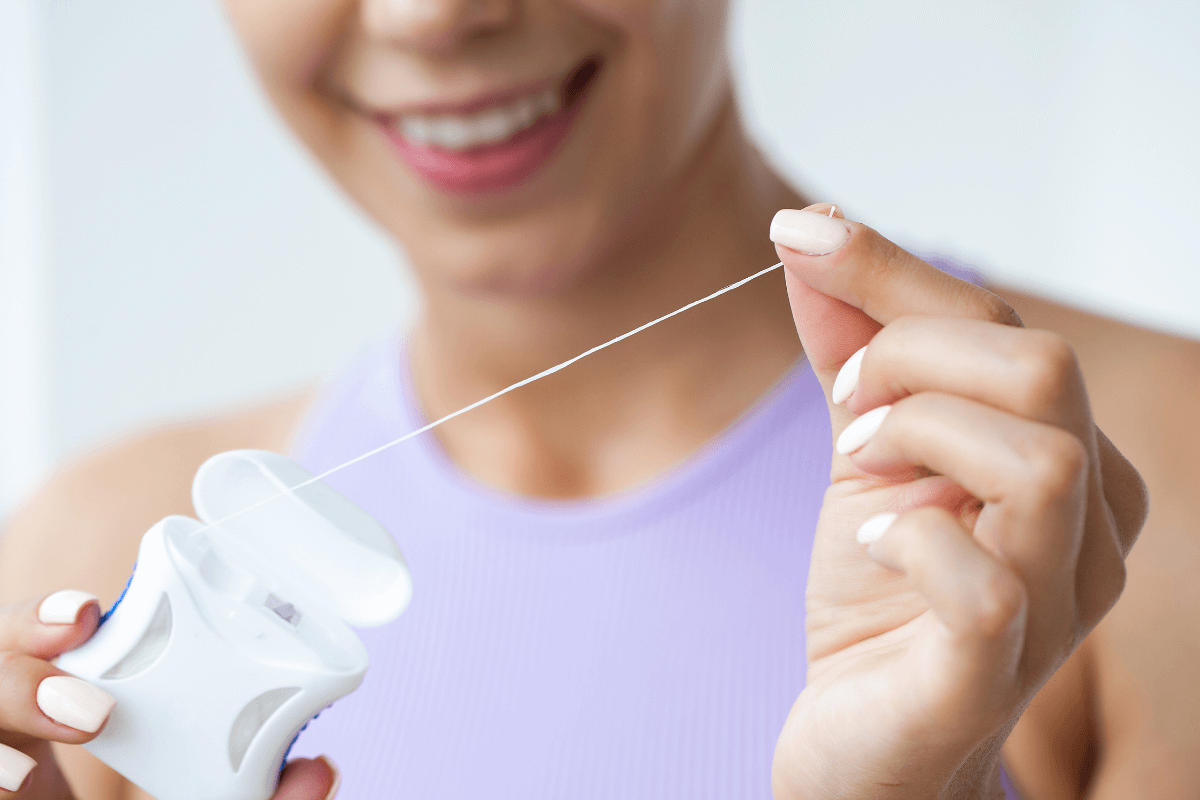
Flossing is not just about pulling something between your teeth—it’s about effectively removing plaque, food particles, and bacteria from areas your toothbrush can’t reach. Using old or weakened floss can compromise your oral hygiene routine.
Here’s why fresh floss makes a difference:
- Better cleaning action – strong floss won’t snap or shred between teeth.
- Comfort – waxed floss glides easily and reduces gum irritation.
- Freshness – mint or flavored floss keeps your mouth feeling clean.
- Consistency – when your floss is in good shape, you’re more likely to floss daily.
Our Brighton dentist encourages patients to make flossing a daily habit, alongside brushing and routine checkups, to keep teeth and gums in excellent health.
Best Practices for Storing Dental Floss
Proper storage can extend the usability of your dental floss. Here are a few simple tips:
- Keep it dry – moisture encourages bacterial growth inside the container.
- Store away from heat – high temperatures may cause wax coatings to melt or break down.
- Seal properly – always close the container after use.
- Avoid long-term storage in bathrooms – constant humidity can affect the floss over time.
If your floss has been sitting unused for years in a humid environment, it’s better to replace it with a new one.
Signs It’s Time to Replace Your Dental Floss
Wondering if your floss is too old? Look for these warning signs:
- Fraying or breaking every time you use it
- Loss of wax coating or smooth glide
- Faded or stale flavor
- Damaged or cracked packaging
- Visible dirt or discoloration
If you notice any of these, toss it out and grab a fresh container.
FAQs About Dental Floss and Oral Hygiene
Can I still use expired dental floss if it looks fine?
Yes, but its effectiveness may be reduced. If the floss is intact, not frayed, and stored properly, it’s generally safe. However, for the best results, use fresh floss.
Does flavored dental floss expire faster?
Flavored or wax-coated floss may lose taste or texture over time, but it doesn’t become harmful. It just might not be as pleasant to use.
How often should I replace my dental floss container?
If you floss daily, most containers last about 2–3 months. Replace it sooner if it shows signs of damage.
Is there a difference between waxed and unwaxed floss in terms of shelf life?
Waxed floss may dry out a bit quicker, especially in hot or humid conditions, but both types last a long time if stored well.
Can I reuse dental floss?
No. Used floss can fray, lose effectiveness, and transfer bacteria back into your mouth. Always use a fresh piece.
What’s better—floss picks or regular floss?
Both are effective, but traditional floss allows more control. Floss picks are convenient but may not clean as thoroughly between tight spaces.
Keep Your Smile Healthy
Dental floss may not technically expire, but using fresh, high-quality floss ensures your oral hygiene routine stays effective. A strong, smooth floss helps remove hidden debris, prevents gum disease, and supports long-term oral health. If you’re looking for expert guidance on maintaining healthy teeth and gums, our caring dental team at our office in Brighton is here to help.
A healthy smile starts with the little things—like fresh dental floss. Pair that with regular brushing and professional care, and you’ll be well on your way to keeping your smile bright and healthy for years to come.