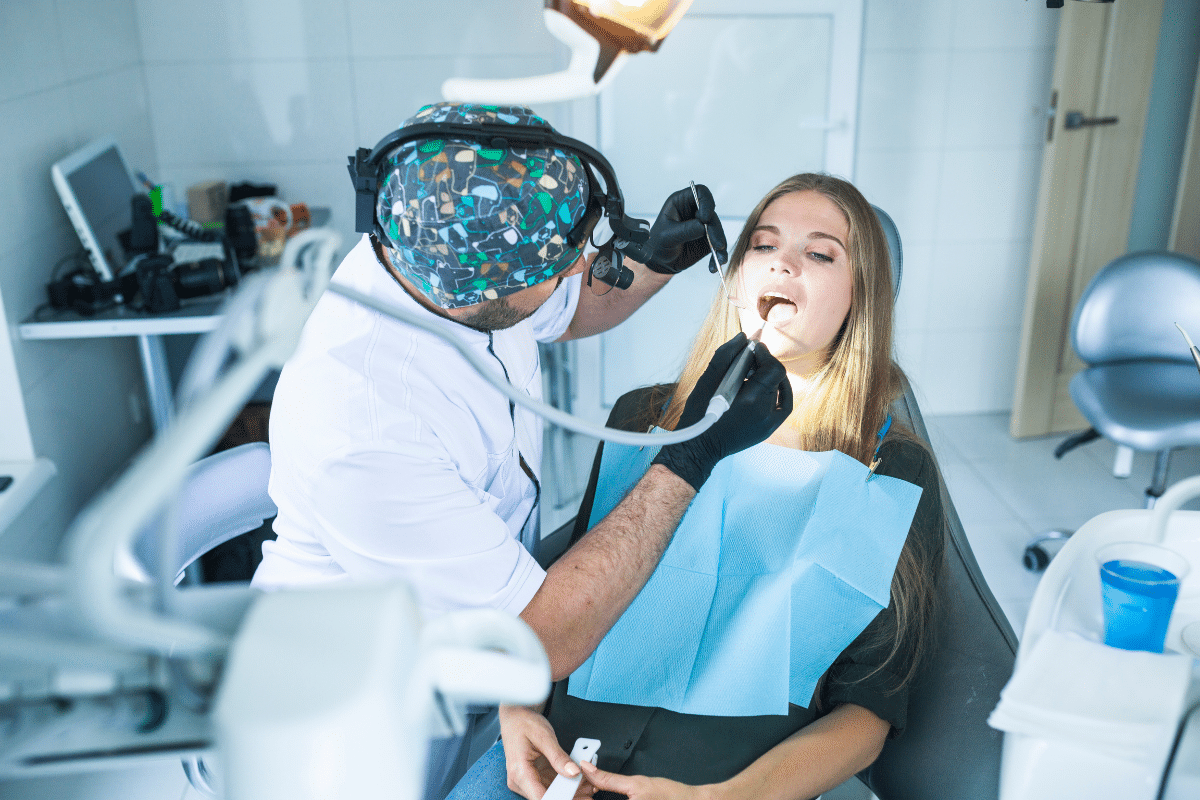

Nighttime grinding can damage teeth and disturb sleep. Many people ignore the early signs. However, this habit can lead to pain and worn enamel. A skilled cosmetic dentist can help manage these effects with care. Modern Cosmetic Dentistry offers simple ways to protect and restore your smile.
Expert Guidance for Better Dental Care

Dr. Jonathan M. Birchmeier brings strong clinical experience and a patient-first approach. He trained at the University of Michigan School of Dentistry. He also completed a residency at the University of Toledo Medical Center.
He focuses on clear care plans and long-term results. He often guides patients dealing with grinding issues. He believes early action helps avoid serious damage.
Patients value his calm approach and clear advice. He stays active in community programs and enjoys helping families improve oral health.
Call now to connect with Dr. Birchmeier.
Understanding Nighttime Grinding
Nighttime grinding, also called bruxism, often happens during sleep. Many people do not notice it at first. However, symptoms may appear over time. These include jaw pain, headaches, and chipped teeth.
Stress and bite issues often cause grinding. Poor sleep habits can also play a role. A cosmetic dentist can identify these signs early. They then suggest solutions that protect both function and appearance.
How Cosmetic Dentistry Supports Grinding Treatment
Cosmetic Dentistry focuses on both looks and function. It helps restore teeth while reducing further harm. Many treatments also improve comfort.
A cosmetic dentist may suggest protective devices first. Night guards reduce pressure on teeth during sleep. These guards fit well and feel comfortable.
In some cases, worn teeth need repair. Treatments like bonding or crowns restore shape. They also prevent deeper damage. Cosmetic Dentistry works well for both minor and severe wear.
Restorative Options for Worn Teeth
Grinding often leads to flat or chipped teeth. This changes your bite over time. A cosmetic dentist can rebuild these surfaces.
Dental bonding is a quick option. It reshapes teeth and improves strength. Crowns offer more protection for serious wear. They cover the entire tooth and restore balance.
Cosmetic dentistry also improves alignment. Straight teeth reduce uneven pressure. This lowers the chance of future grinding damage.
Preventive Care That Supports Long-Term Results
Prevention plays a key role in managing grinding. A cosmetic dentist will guide you through simple habits. These steps support long-term oral health.
Stress control helps reduce grinding episodes. Regular sleep patterns also improve outcomes. Avoiding caffeine at night can make a difference.
Routine dental visits allow for early detection. Cosmetic Dentistry supports these visits with tailored care plans. These plans focus on both comfort and durability.
Local Care That Feels Personal
At Brighton Healthy Smiles in Brighton, patients receive care that fits their daily needs. Local families often deal with stress-related grinding. Busy routines can increase this problem.
A cosmetic dentist at the clinic understands these local patterns. Treatment plans reflect real-life lifestyle challenges. Cosmetic Dentistry services here focus on simple, effective care.
Patients appreciate easy scheduling and clear advice. This approach helps them stay consistent with treatment.
When to Seek Help for Grinding
You should not ignore the early signs of grinding. Jaw stiffness in the morning is a warning. Tooth sensitivity is another sign.
A cosmetic dentist can assess the condition quickly. Early care prevents costly repairs later. Cosmetic dentistry offers both relief and protection.
If symptoms continue, treatment should begin soon. Delay often leads to more damage.
Conclusion: Take Control of Your Oral Health
Nighttime grinding can harm your teeth over time. However, early care makes a big difference. A cosmetic dentist provides solutions that protect and restore your smile. Cosmetic Dentistry supports both health and appearance with simple treatments.
If you notice signs of grinding, take action now. Schedule a consultation with us to discuss your concerns. You can also contact our Brighton Healthy Smiles office for guidance and support.
Frequently Asked Questions
What are the early signs of nighttime grinding?
Common signs include jaw soreness, dull headaches, and worn tooth edges. Some people also notice tooth sensitivity. A partner may hear grinding sounds during sleep. Early signs often appear mild but should not be ignored.
How does a night guard help with grinding?
A night guard creates a barrier between upper and lower teeth. It reduces pressure and protects enamel. Custom guards from a dental office fit better and last longer. They also improve comfort during sleep.
How long does it take to treat grinding damage?
Treatment time depends on the level of damage. Mild cases may only need a night guard. Severe wear may require multiple visits for restoration. The dentist will guide the timeline.
Can cosmetic treatments fix damage caused by grinding?
Yes, treatments like bonding, veneers, and crowns repair worn or chipped teeth. These options restore both shape and strength. They also improve your bite and overall smile.
Is grinding linked to stress or lifestyle habits?
Yes, stress is a major cause of grinding. Poor sleep and caffeine intake can also increase risk. Managing your daily habits often helps reduce symptoms over time.
Can untreated grinding lead to serious dental issues?
Yes, it can lead to cracks, tooth loss, and jaw joint problems. Long-term grinding also affects bite alignment. Early care helps avoid complex treatments later.