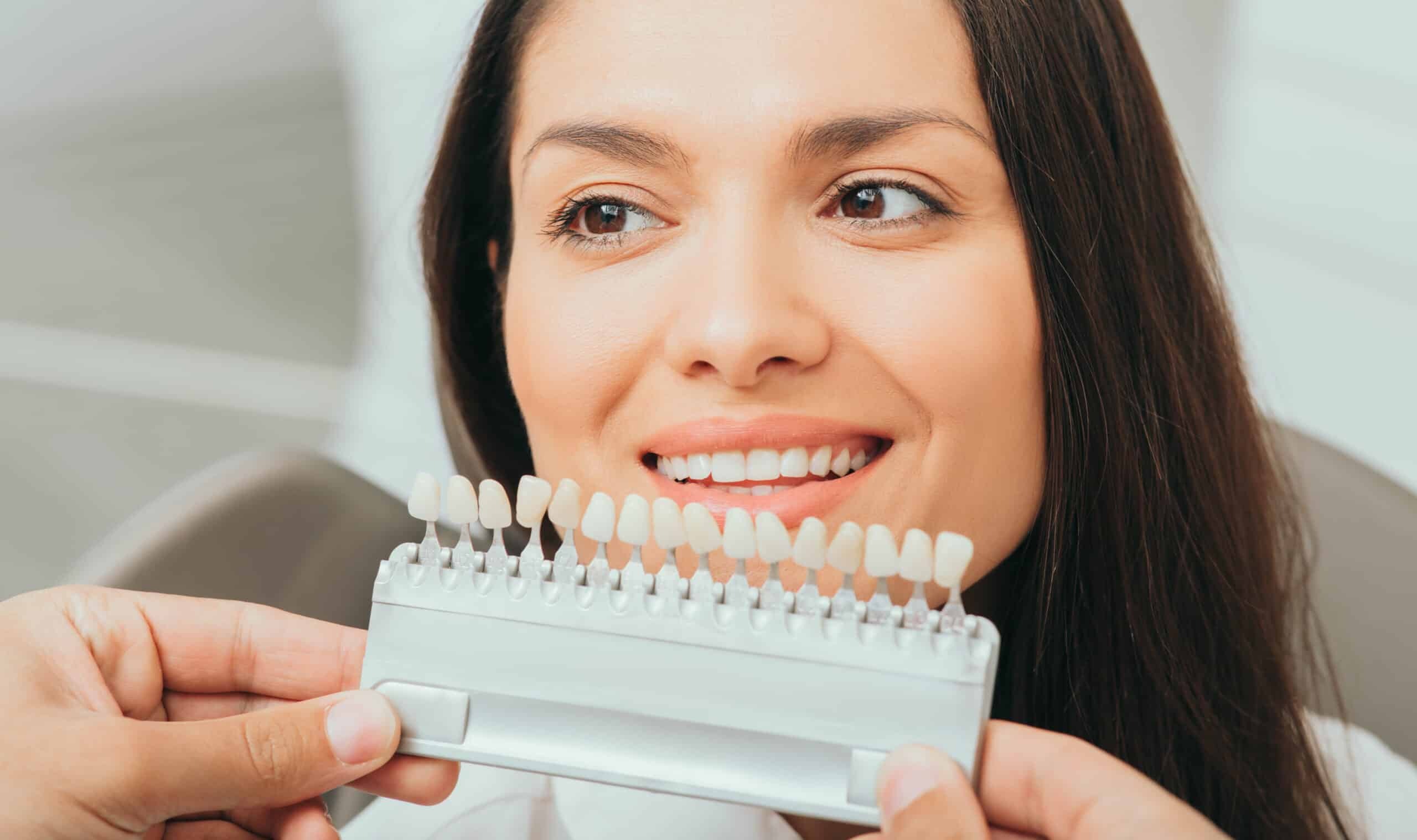

For patients in Brighton, MI, teeth whitening can be a little more complicated when you have dental crowns, veneers, or fillings. Natural teeth can respond to professional whitening treatments, but most tooth-colored restorations are designed to maintain their existing shade. That means whitening your natural teeth may not change the color of your crowns, veneers, or fillings.
If you are considering whitening and have existing dental work, a cosmetic dentist Brighton patients can turn to can evaluate your teeth and restorations first. This helps determine whether whitening is appropriate and whether your existing dental work may need to be considered when planning your desired tooth shade.
Can You Whiten Teeth With Crowns, Veneers, or Fillings?
Professional teeth whitening works primarily on natural tooth structure. It generally does not whiten the materials used for dental crowns, veneers, or tooth-colored fillings. As a result, whitening your natural teeth may create a difference between your natural teeth and existing restorations.
The effect depends on:
- The type of restoration
- The material used
- The current shade of your natural teeth
- The shade of your restoration
- The age and condition of the dental work
- The type of whitening treatment
This does not mean you cannot whiten your teeth if you have restorations. Instead, the timing and treatment plan may need to be considered carefully.
Does Teeth Whitening Work on Dental Crowns?
Teeth whitening generally does not change the color of an existing dental crown. Crowns are made from restorative materials rather than natural enamel, so conventional whitening products are not designed to bleach them.
If you have a crown on one of your front teeth and whiten the surrounding natural teeth, the crown may remain its original shade while the natural teeth become lighter.
This can be particularly noticeable when:
- A front tooth has a crown
- The crown is several years old
- The natural teeth have become darker over time
- You want a significantly whiter tooth shade
A dental professional can evaluate the crown and surrounding teeth before you begin whitening.
Can a Dental Crown Be Whitened?
An existing dental crown generally cannot be lightened with conventional teeth whitening. If the crown no longer matches the desired shade of the surrounding teeth, replacing it may be considered in some situations.
Replacement is not automatically necessary just because you want whiter teeth. Your dentist can determine whether the crown is healthy, functional, and aesthetically appropriate before recommending any restorative treatment.
Can Veneers Be Whitened?
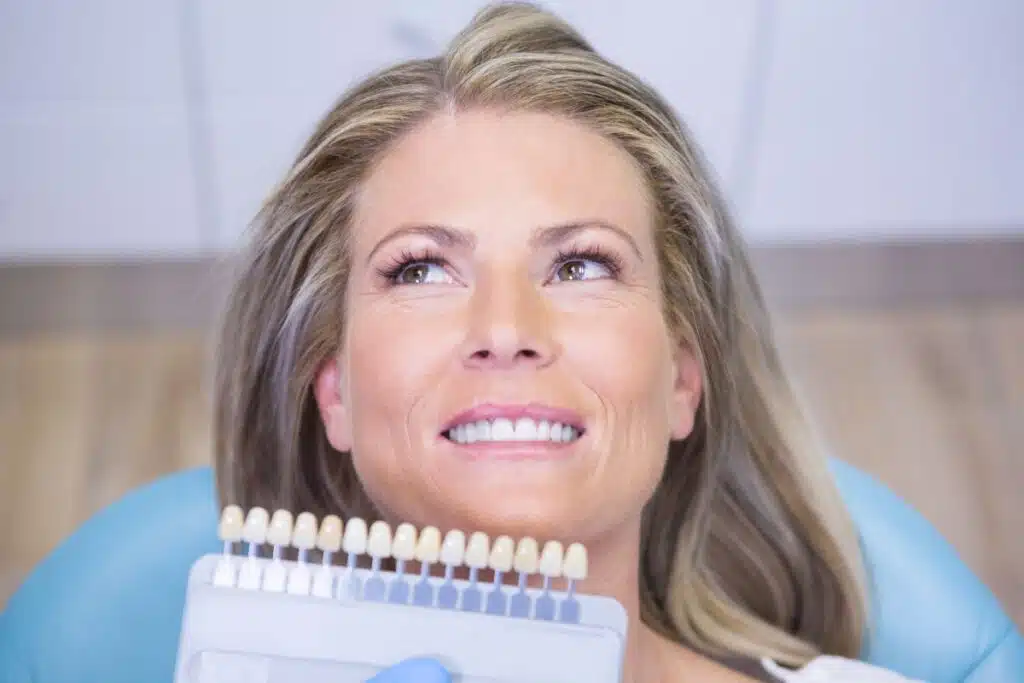
Veneers generally do not respond to traditional teeth whitening treatments. Porcelain and other veneer materials are designed to maintain their color rather than respond to bleaching agents like natural enamel does.
This means whitening your natural teeth after getting veneers may create a shade difference between the veneers and the teeth around them.
If you already have veneers, your dentist can assess their current color and condition before recommending whitening.
If you are considering veneers and also want whiter teeth, discuss your desired final shade before treatment. Whitening natural teeth before selecting the shade of new veneers may help create a more consistent result.
What Happens If You Whiten Teeth With Fillings?
Tooth-colored fillings generally do not whiten in the same way as natural teeth.
If you have composite fillings on visible teeth, whitening may lighten the surrounding natural enamel while the fillings remain their original shade. This can make older fillings more noticeable.
For example, if a front tooth has a tooth-colored filling and the natural tooth becomes several shades lighter, the filling may no longer blend as closely with the surrounding enamel.
In some cases, a dentist may recommend replacing an older visible filling after whitening so its shade can better match the newly whitened tooth.
However, replacement is not automatically required. The condition, location, size, and appearance of the filling all matter.
Why Can Whitening Make Dental Work Look Different?
The main reason is simple: natural teeth and dental restorations respond differently to whitening.
Whitening products are designed to remove or reduce certain stains and discoloration in natural teeth. Crowns, veneers, and composite restorations do not typically undergo the same color change.
For someone with multiple restorations, this can create uneven shades after whitening.
The difference may be more noticeable if:
- Your restorations are on the front teeth
- Your natural teeth have significant discoloration
- Your restorations were matched to an older tooth shade
- You want a substantial change in tooth color
- Your fillings or veneers are several years old
A professional evaluation can help you understand what whitening can realistically accomplish before you begin treatment.
Should You Whiten Before Getting New Restorations?
If you are planning new crowns, veneers, or visible tooth-colored fillings and also want whiter teeth, whitening is often considered before the final shade of new restorations is selected.
Why?
New restorations can be made to match the desired shade. Natural teeth can change color through whitening, while the restoration itself is designed to maintain its selected shade.
Planning the sequence with your dentist can help avoid an unnecessary mismatch between your natural teeth and new dental work.
This is especially relevant for restorations that will be highly visible when you smile, speak, or eat.
How Can a Cosmetic Dentist Help?
If you are looking for a cosmetic dentist Brighton patients can consult about whitening and existing dental work, an evaluation can help determine the most appropriate approach.
Your dentist may consider:
- The shade of your natural teeth
- The number and location of restorations
- The material used for your crowns or veneers
- The condition of existing fillings
- Your desired tooth shade
- Whether you have tooth sensitivity
- Your overall oral health
The dentist can then explain whether whitening alone is likely to provide the result you want or whether your existing restorations should be considered as part of a broader cosmetic treatment plan.
Can You Whiten Teeth If You Have Several Dental Restorations?
Yes, having crowns, veneers, or fillings does not automatically mean you cannot whiten your natural teeth.
However, the expected result may be different from someone who has only natural teeth.
For example:
- No visible restorations: Whitening may produce a more uniform color change.
- One front crown: The crown may remain its existing shade while surrounding teeth become lighter.
- Several veneers: The veneers generally maintain their current shade while natural teeth may lighten.
- Visible tooth-colored fillings: The fillings may remain unchanged while the surrounding enamel becomes lighter.
Understanding this difference before treatment can help you make an informed decision.
When Should You Avoid Whitening Until You See a Dentist?
Teeth whitening may not be appropriate to start immediately if you have untreated dental problems.
Talk with a dentist first if you have:
- Tooth pain
- Significant sensitivity
- Untreated cavities
- Cracked teeth
- Gum irritation or disease
- Recently placed dental restorations
- Uncertainty about the condition of your crowns or veneers
Whitening does not treat cavities, damaged teeth, or gum disease. Addressing underlying dental concerns first may be necessary.
What Is the Best Way to Whiten Teeth With Existing Dental Work?
The best approach is to have your natural teeth and restorations evaluated before choosing a whitening treatment. Your dentist can determine whether whitening is appropriate, explain which teeth will respond, and discuss how existing crowns, veneers, or fillings may affect the final appearance.
This is particularly useful if your restorations are visible when you smile and you want your teeth to have a consistent shade.
A Brighter Smile Starts With the Right Plan
Having dental crowns, veneers, or fillings does not necessarily prevent you from whitening your natural teeth. The key is understanding that natural teeth and dental restorations generally respond differently to whitening.
If you are considering teeth whitening in Brighton, a cosmetic dental evaluation can help you understand what results are realistic with your existing dental work. Brighton Healthy Smiles Family Dentistry can evaluate your teeth and restorations and help you determine an appropriate next step. Call (810) 227-6567 for guidance.
Frequently Asked Questions
1. Can I whiten my teeth if I have a dental crown?
Yes, you may be able to whiten your natural teeth, but the crown itself generally will not become lighter. This can create a shade difference if the surrounding teeth become significantly whiter.
2. Can teeth whitening damage veneers?
Professional whitening products are designed primarily for natural teeth and generally do not change the color of veneers. Your dentist can determine whether whitening is appropriate based on your veneers and overall oral health.
3. Will whitening change the color of my fillings?
Tooth-colored fillings generally do not whiten like natural teeth. If the surrounding enamel becomes lighter, an older filling may become more noticeable.
4. Should I whiten my teeth before getting veneers?
If you want a lighter tooth shade, discuss whitening before receiving new veneers. Your dentist can consider the desired final shade when planning the new restorations.
5. Can a dentist make my crown match my newly whitened teeth?
If an existing crown no longer matches your desired tooth shade, replacement may be an option in some cases. Your dentist should first evaluate whether the crown is healthy and whether replacement is actually necessary.