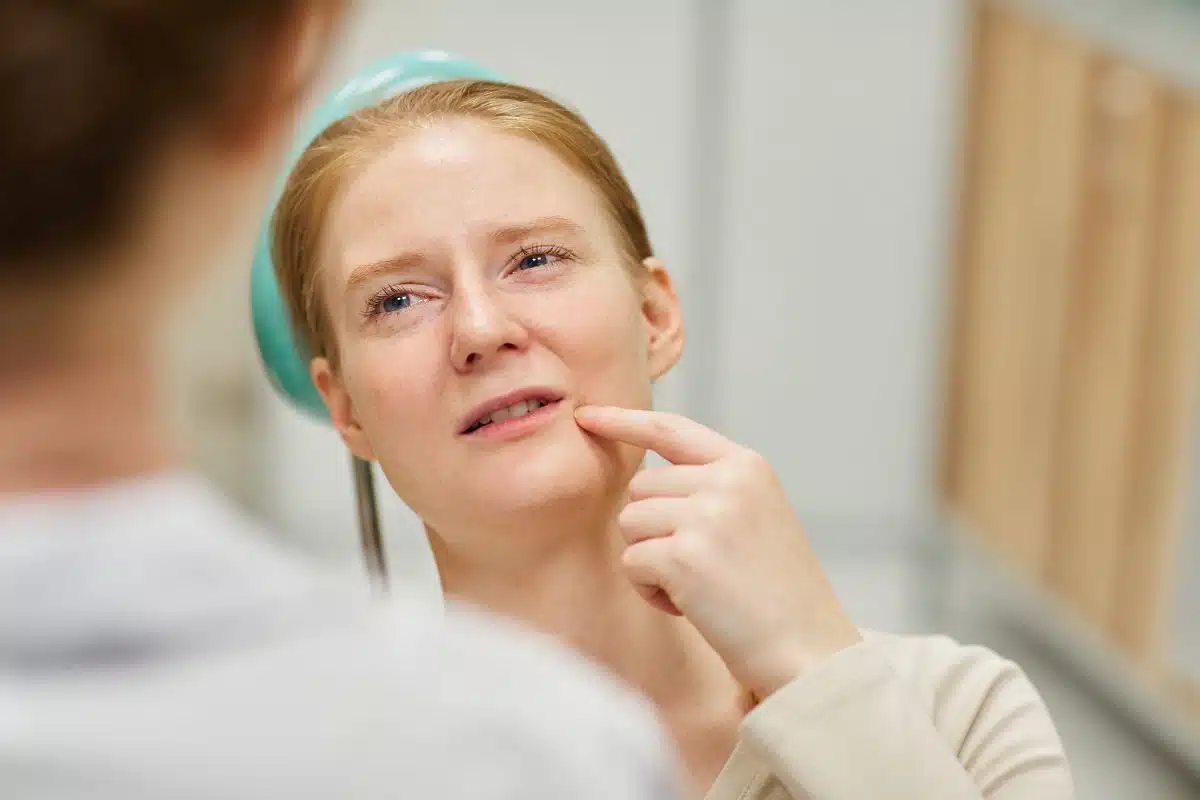

A dental crown protects a weakened or damaged tooth, but it can still crack, loosen, or fall off. When this happens, the tooth underneath may become sensitive and vulnerable to further damage. Taking the right steps can reduce discomfort and help preserve the tooth.
At Brighton Healthy Smiles Family Dentistry, Dr. Birchmeier helps patients understand whether a broken dental crown requires urgent treatment. Although not every crown problem is a serious emergency, delaying care can allow decay, infection, or a tooth fracture to worsen.
Is a Broken Dental Crown an Emergency?
A broken crown requires prompt professional attention, but the level of urgency depends on your symptoms. A small chip without pain may be managed during regular office hours. A completely dislodged crown, severe pain, swelling, or trauma needs faster evaluation.
A dentist should examine the tooth as soon as possible because the visible damage may not reveal the full extent of the problem. The remaining tooth structure could have decay, a fracture, or irritated dental pulp beneath the restoration.
What Causes a Dental Crown to Break?
Dental crowns are made to withstand normal biting pressure. However, several factors can weaken the crown or the tooth supporting it:
- Biting ice, hard candy, popcorn kernels, or other hard foods
- Grinding or clenching the teeth during sleep
- Trauma from a fall, accident, or sports injury
- Decay developing near or beneath the crown
- Deterioration of the dental cement
- Using the teeth to open packages
- An uneven bite that places excess pressure on one tooth
- Normal wear after years of use
A crown can also become loose if the supporting tooth changes shape because of decay or damage.
What Should You Do If Your Crown Breaks or Falls Off?
Stay calm and follow these steps until you receive professional care.
1. Remove Loose Pieces Carefully
Take the crown or broken fragments out of your mouth to prevent swallowing or inhaling them. Place the restoration in a clean container and bring it to your appointment. It may be possible to recement an intact crown after the tooth is evaluated.
2. Rinse Your Mouth
Gently rinse with warm water to remove food and debris. Do not scrub or poke the exposed tooth. If the area is bleeding, apply light pressure with clean gauze.
3. Protect the Exposed Tooth
An uncovered tooth may react to cold air, hot drinks, sweets, or pressure. Avoid chewing on that side of your mouth. Temporary dental cement from a pharmacy may cover the area briefly, but it is not a permanent repair.
Never use household glue or super glue. These products are not safe for oral tissues and can interfere with treatment.
4. Manage Pain and Swelling
Apply a cold compress to the outside of your cheek for short intervals if swelling is present. An over-the-counter pain reliever may help when taken as directed on the label. Do not place aspirin directly on the tooth or gums, as it can irritate the tissue.
5. Arrange an Evaluation
If you are searching for an ‘emergency dentist near me’, contact the practice directly and explain whether the crown is loose, cracked, missing, or causing pain. You may also visit the nearby dental office for an assessment based on appointment availability and the urgency of your symptoms.
When Does a Broken Crown Need Emergency Dental Care?
Seek urgent dental care if you notice:
- Severe or persistent tooth pain
- Facial or gum swelling
- Fever, drainage, or a foul taste
- Heavy bleeding that does not stop
- A sharp edge cutting your tongue or cheek
- A fractured tooth beneath the crown
- Pain when biting or releasing pressure
- A crown damaged during facial trauma

Call 911 or go to an emergency room if swelling interferes with breathing or swallowing, bleeding is uncontrolled, or the injury may involve your jaw or face.
How Is a Broken Dental Crown Treated?
Treatment depends on the condition of the crown and the underlying tooth. The dentist examines the area and may take digital X-rays to check for decay, fractures, or infection.
Possible treatments include:
- Re-cementing the crown: An undamaged crown can be cleaned and re-secured.
- Creating a replacement crown: A cracked, worn, or poorly fitting restoration may need to be replaced.
- Repairing the tooth: Decay or damaged tooth structure may require treatment before placing a crown.
- Root canal therapy: This may be necessary if inflammation or infection reaches the dental pulp.
- Tooth removal: Extraction may be considered when a deep fracture makes the tooth unrestorable.
Prompt treatment often provides more options and helps prevent the exposed tooth from sustaining further damage.
How Can You Reduce the Risk of Another Broken Crown?
Brush twice daily with fluoride toothpaste and clean carefully around the crown margin. Avoid chewing ice and other hard objects. If you grind your teeth, ask whether a nightguard could reduce pressure on the restoration. Routine dental examinations also help identify looseness, decay, and bite problems before a crown fails.
Get Prompt Help for a Broken Crown in Brighton
A damaged crown should not be ignored, even when it does not hurt. Early care can relieve sensitivity, protect the underlying tooth, and reduce the chance of infection or a deeper fracture.
Contact our practice at +1 810-227-6567 to book an appointment for emergency dental care in Brighton. Timely evaluation can help you regain comfort and protect your oral health.
Frequently Asked Questions
Can I put a broken crown back on myself?
You should not force a crown onto the tooth. Temporary dental cement may hold an intact crown briefly, but the tooth must first be checked for decay or damage. Never use household glue.
How long can I leave a tooth uncovered after losing a crown?
Arrange care as soon as possible. An uncovered tooth can become sensitive, shift, decay, or fracture further. Even without pain, a timely examination can help prevent a more complex problem.
Can a broken crown cause an infection?
Yes. Gaps around a damaged or loose crown may allow bacteria to reach the supporting tooth. Increasing pain, swelling, fever, drainage, or a foul taste can indicate infection and require urgent evaluation.
Will I need a completely new crown?
Not always. An intact crown may sometimes be recemented if the supporting tooth remains healthy. If the restoration is cracked or the tooth has changed, a dentist can determine whether repair or replacement is appropriate.
What foods should I avoid after a crown breaks?
Avoid sticky, hard, crunchy, very hot, very cold, and sugary foods. Choose soft foods and chew on the opposite side until the tooth is treated. This reduces sensitivity and further damage.
Should I go to the hospital for a broken crown?
Most crown problems are treated at a dental practice. Go to the hospital or call 911 for breathing or swallowing difficulty, uncontrolled bleeding, severe facial trauma, or suspected jaw injury.