

A swollen gum, throbbing tooth, or unpleasant taste in your mouth can be easy to brush off at first. But when these symptoms are caused by a dental abscess, waiting for them to disappear can allow the infection to continue. For people in Brighton, MI, recognizing the warning signs and knowing when dental care is needed can help prevent a dental infection from becoming more serious.
A dental abscess does not always behave the way you might expect. Pain can become less noticeable even when the infection remains. If you notice swelling, drainage, persistent tooth pain, or a bump on your gum, getting the problem evaluated promptly is the safest approach.
Can a Dental Abscess Go Away on Its Own?
No, a dental abscess should not be expected to go away on its own. The pain or swelling may temporarily improve, especially if the abscess drains, but the underlying infection can remain and may continue affecting the tooth or surrounding tissues.
A dental abscess is usually caused by a bacterial infection. Without appropriate treatment, the infection may become more extensive.
That is why a decrease in pain should not automatically be interpreted as a sign that the problem has healed.
What Is a Dental Abscess?
A dental abscess is a pocket of pus that develops because of a bacterial infection. It can occur around the root of a tooth or within the gum and surrounding tissues.
Several dental problems can contribute to an abscess, including:
- Deep tooth decay
- An untreated cavity
- A cracked or damaged tooth
- Injury to a tooth
- Infection inside the tooth
- Advanced gum disease
An abscess may develop gradually, or symptoms may appear relatively quickly.
What Does a Dental Abscess Feel Like?
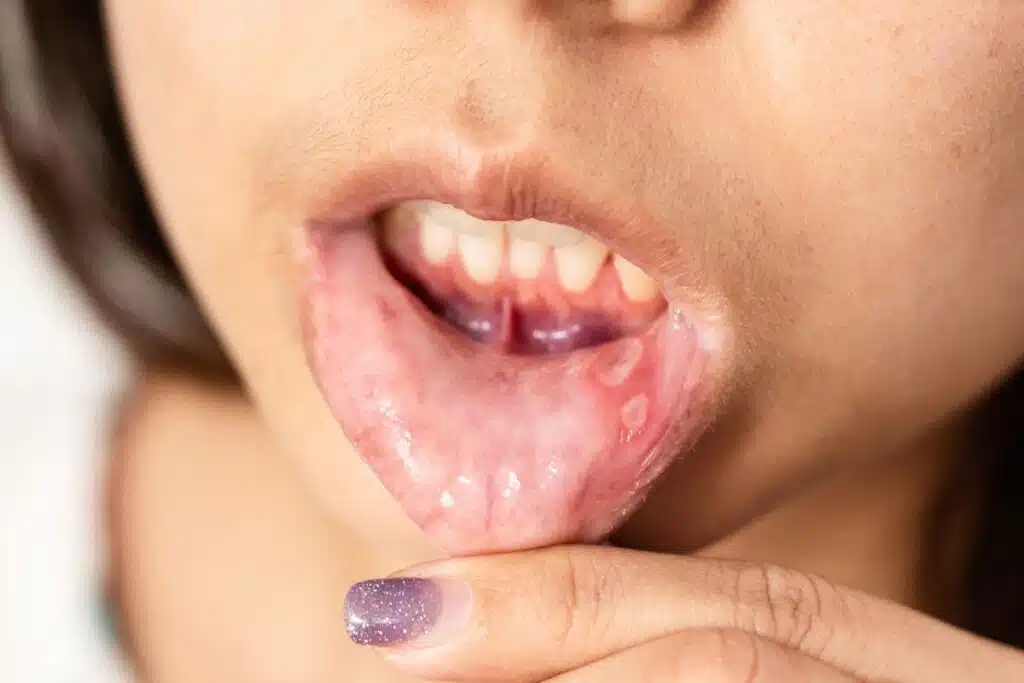
A dental abscess may cause throbbing tooth pain, tenderness when biting, gum swelling, sensitivity, a bad taste, or a pimple-like bump on the gum. Some people may also develop facial swelling or fever.
The symptoms can vary depending on where the infection is located and how advanced it has become.
Why Can Abscess Pain Suddenly Disappear?
One of the biggest reasons people delay treatment is that their tooth starts feeling better.
However, pain relief does not necessarily mean the infection has disappeared.
An abscess may drain into the mouth, reducing pressure and making the tooth feel less painful. In other situations, the nerve inside a severely infected tooth may become damaged, changing the way the tooth responds to pain.
In either case, the source of the infection may still be present.
Can a Dental Abscess Stop Hurting Without Healing?
Yes. A dental abscess can stop hurting even when the underlying infection has not been eliminated. If pain suddenly disappears after a period of severe discomfort, it is still important to have the tooth evaluated.
A temporary improvement should not be used as a reason to postpone dental care.
What Are the Warning Signs of a Dental Abscess?
The symptoms of an abscess can range from mild to severe.
Watch for:
- Persistent or severe toothache
- Swollen or tender gums
- Facial or jaw swelling
- Pain when chewing
- Sensitivity to hot or cold
- A pimple-like bump on the gum
- Pus around the tooth
- A foul or unusual taste
- Persistent bad breath
- Fever
- Feeling generally unwell
- Difficulty opening your mouth
You do not necessarily need to experience every symptom to have an abscess.
For example, a small recurring bump on the gum may be the only obvious sign that something is wrong with a tooth.
Can a Dental Abscess Spread?
Yes, an untreated dental infection can spread into nearby tissues and, in serious cases, cause more extensive infection. Facial swelling, fever, difficulty opening the mouth, or swelling that moves toward the neck can indicate that the infection needs urgent attention.
The American Dental Association recommends addressing the underlying dental problem rather than relying on antibiotics alone for many localized dental infections. Depending on the situation, treatment may involve drainage, root canal treatment, extraction, or another dental procedure.
This is why professional evaluation matters even when symptoms seem manageable.
What Should You Do If You Suspect a Dental Abscess?
If you think you have an abscess, take the symptoms seriously.
Don’t Try to Drain the Abscess Yourself
Do not squeeze, puncture, or cut an abscess. Trying to drain it at home can injure the tissues and does not eliminate the source of the infection.
Continue Gentle Oral Hygiene
Keep brushing and cleaning your mouth carefully. Avoid aggressively brushing an area that is extremely painful or swollen.
Avoid Putting Aspirin Directly on the Gum
Placing aspirin directly against the gum or tooth can irritate or damage the tissue. If you need temporary pain relief, follow the directions on an appropriate over-the-counter medication or ask a healthcare professional or pharmacist for advice.
Contact a Dental Professional
The most important step is having the cause evaluated. A dentist can determine whether the infection is coming from the tooth, gums, or another source and recommend appropriate treatment.
How Is a Dental Abscess Treated?
Dental abscess treatment depends on the source and severity of the infection. Possible treatments can include draining the infection, root canal treatment, periodontal treatment, or extraction when a tooth cannot be preserved.
If the infection is associated with a damaged or infected tooth, root canal treatment may sometimes allow the natural tooth to be retained.
In other cases, removing the affected tooth may be necessary.
Antibiotics may be recommended in specific circumstances, particularly when there are signs that the infection is spreading or systemic symptoms are present. They do not replace necessary dental treatment in many localized infections.
When Is a Dental Abscess an Emergency?
A dental abscess requires prompt attention, but certain symptoms can indicate a potentially serious infection.
Seek urgent dental or medical attention if you experience:
- Significant facial swelling
- Rapidly increasing swelling
- Fever
- Severe or worsening pain
- Difficulty opening your mouth
- Swelling around the eye
- Swelling extending toward the neck
- Difficulty swallowing
- Difficulty breathing
When Should You Go to the Emergency Room?
Difficulty breathing or swallowing, severe facial or neck swelling, or symptoms suggesting that the airway may be affected require immediate medical attention.
These symptoms can indicate that an infection is spreading into areas that may affect breathing or swallowing. In a potentially life-threatening situation, go to the nearest emergency department or call 911.
If you are searching for an emergency dentist near me because of severe swelling, pain, or other concerning symptoms, do not wait to see whether the problem resolves by itself.
How Can You Prevent a Dental Abscess?
Not every dental abscess can be prevented, but good oral care can reduce the risk of dental problems that may eventually lead to infection.
Helpful habits include:
- Brush twice daily with fluoride toothpaste
- Clean between your teeth regularly
- Limit frequent sugary snacks and drinks
- Attend regular dental checkups
- Treat cavities promptly
- Have cracked or damaged teeth evaluated
- Follow recommended treatment for gum disease
- Wear appropriate mouth protection during contact sports
Don’t ignore recurring sensitivity or tooth pain. A minor problem can sometimes become more complicated when treatment is delayed.
Why Shouldn’t You Wait for an Abscess to Go Away?
A dental abscess is not like a minor irritation that can simply settle down with time.
Even if the pain disappears, the infection may still be affecting the tooth or surrounding tissue. In some cases, symptoms can return later with more severe swelling or discomfort.
Getting the problem checked early can help identify the source and determine what treatment is needed.
What If You Need a Dentist in Brighton?
If you’re looking for a dentist Brighton MI patients can turn to for an evaluation, look for a dental office that can assess the source of tooth pain, swelling, or other signs of infection.
The goal should be more than simply controlling discomfort temporarily. Finding and treating the underlying dental problem is what helps address the cause.
For patients in the Brighton area, local dental care can provide an opportunity to have concerning symptoms evaluated before they become more difficult to manage.
Don’t Ignore the Warning Signs
A dental abscess should not be expected to disappear on its own. Even when pain decreases, the infection may still be present and may require professional treatment.
If you develop swelling, persistent tooth pain, drainage, a bad taste, or a bump on your gum, don’t assume the problem has resolved. Prompt dental evaluation can help identify the cause and determine the appropriate treatment.
For dental concerns in Brighton, MI, Brighton Healthy Smiles Family Dentistry can help evaluate symptoms and discuss appropriate care. Call (810) 227-6567 if you need guidance about a concerning dental problem.
Frequently Asked Questions
1. Can a dental abscess disappear without treatment?
A dental abscess should not be expected to resolve without appropriate treatment. Symptoms may temporarily improve if the abscess drains, but the underlying infection can remain.
2. What happens if a dental abscess bursts?
You may notice fluid or pus draining into your mouth, followed by a reduction in pressure or pain. This does not necessarily mean the infection has been eliminated, so the tooth should still be evaluated.
3. How do I know if a tooth infection is getting worse?
Increasing pain, facial swelling, fever, difficulty opening your mouth, or swelling that spreads toward the jaw or neck can indicate a more serious infection. Difficulty breathing or swallowing requires immediate medical attention.
4. Can I treat a dental abscess at home?
Home measures may provide temporary comfort but cannot reliably remove the source of an abscess. Do not attempt to puncture or drain the infection yourself.
5. Can an abscessed tooth be saved?
Sometimes an abscessed tooth can be preserved with treatment such as a root canal, depending on the condition of the tooth. In other situations, extraction may be necessary.