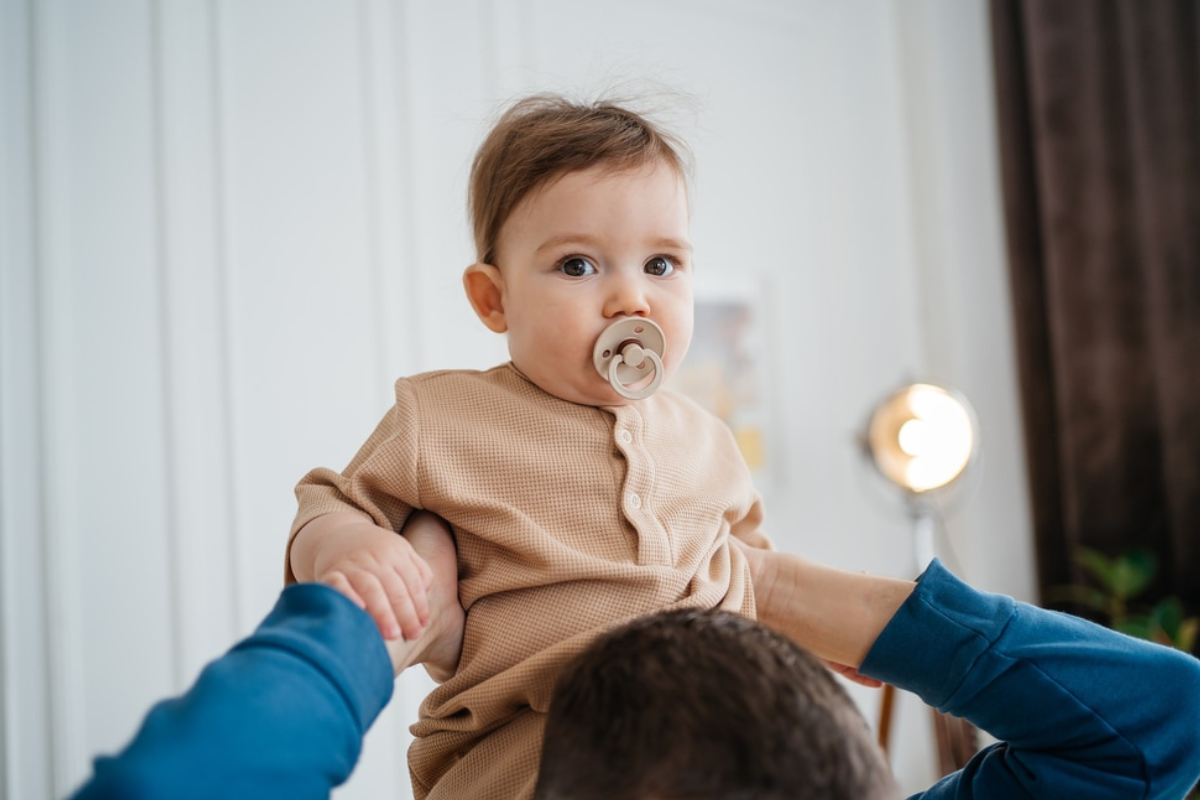
Pacifiers can be a lifesaver for soothing fussy babies, but did you know they can also impact your child’s oral health, including tooth color? Many parents are unaware that prolonged pacifier use can contribute to discoloration and other dental issues. If you’re wondering whether your child’s pacifier habit could be affecting their smile, this guide will help you understand the risks and how to prevent them.
The Link Between Pacifiers and Tooth Discoloration
While pacifiers are commonly used for comfort, they can also lead to certain dental changes, including:
- Staining from Bacteria Buildup – Pacifiers that aren’t cleaned regularly can harbor bacteria, leading to plaque buildup and potential yellowing of teeth.
- Misalignment-Related Discoloration – Prolonged pacifier use can lead to misalignment of the teeth, causing uneven exposure to saliva, which may result in color changes.
- Acidic and Sugary Exposure – If a pacifier is dipped in sugary liquids or juice, it can promote decay and discoloration.
- Enamel Erosion – Excessive sucking on a pacifier can weaken the enamel, making teeth more prone to staining.
How to Prevent Tooth Discoloration from Pacifiers
To keep your child’s smile bright while using a pacifier, follow these simple tips:
- Clean the Pacifier Regularly – Wash pacifiers with warm, soapy water daily to remove bacteria and prevent plaque buildup.
- Avoid Dipping in Sweet Substances – Never dip pacifiers in honey, juice, or other sugary liquids, as they can accelerate tooth discoloration.
- Encourage Early Weaning – Limiting pacifier use by age two can reduce the risk of alignment issues and associated discoloration.
- Practice Good Oral Hygiene – Even before teeth appear, clean your baby’s gums with a soft cloth to remove bacteria.
- Schedule Regular Dental Checkups – A visit to our pediatric dentist in Brighton can help identify early signs of discoloration and provide preventive care.
When to Be Concerned About Tooth Discoloration
Some tooth discoloration in children is temporary, but there are cases where it may indicate a bigger problem. Look for these signs:
- Brown or black spots on teeth
- Persistent yellowing despite good hygiene
- Uneven discoloration in certain areas
- Sensitivity or discomfort while eating
If you notice any of these issues, consulting an expert in pediatric dentistry is essential to determine the underlying cause and possible treatments.
Safe Alternatives to Pacifiers
If you’re looking to reduce pacifier use while keeping your baby comforted, consider these alternatives:
- Soft teething toys for chewing
- Comforting bedtime routines, like gentle rocking or singing
- Providing a favorite blanket or stuffed animal
- Teaching self-soothing techniques
Transitioning away from pacifiers can be challenging, but it is crucial for preventing long-term dental issues, including discoloration and misalignment. Parents often wonder how long pacifier use is safe before it starts impacting their child’s teeth. Understanding the right time to phase it out can help prevent potential dental concerns.
How Pediatric Dentistry in Brighton Can Help
While pacifiers are a helpful tool for soothing babies, they can also impact your child’s tooth color if not used properly. Regular cleaning, limiting use, and practicing good oral hygiene can help keep your child’s teeth bright and healthy. If you have concerns about discoloration or overall dental health, visiting our pediatric dentist in Brighton can provide the guidance and care your child needs.
Schedule a consultation today to ensure your little one’s smile stays as bright as ever!