Pacifiers can be a lifesaver for parents, offering comfort to fussy babies and soothing them to sleep. However, many parents wonder if prolonged pacifier use can harm their child’s dental health. Understanding when a pacifier starts to affect teeth and how to manage its use is key to ensuring your child’s oral development remains on track.
This blog will explore how pacifiers can impact teeth over time and provide practical advice for parents. If you’re seeking guidance, Brighton Healthy Smiles is here to support you with insights from our expert pediatric dentist in Brighton.
Why Do Children Use Pacifiers?
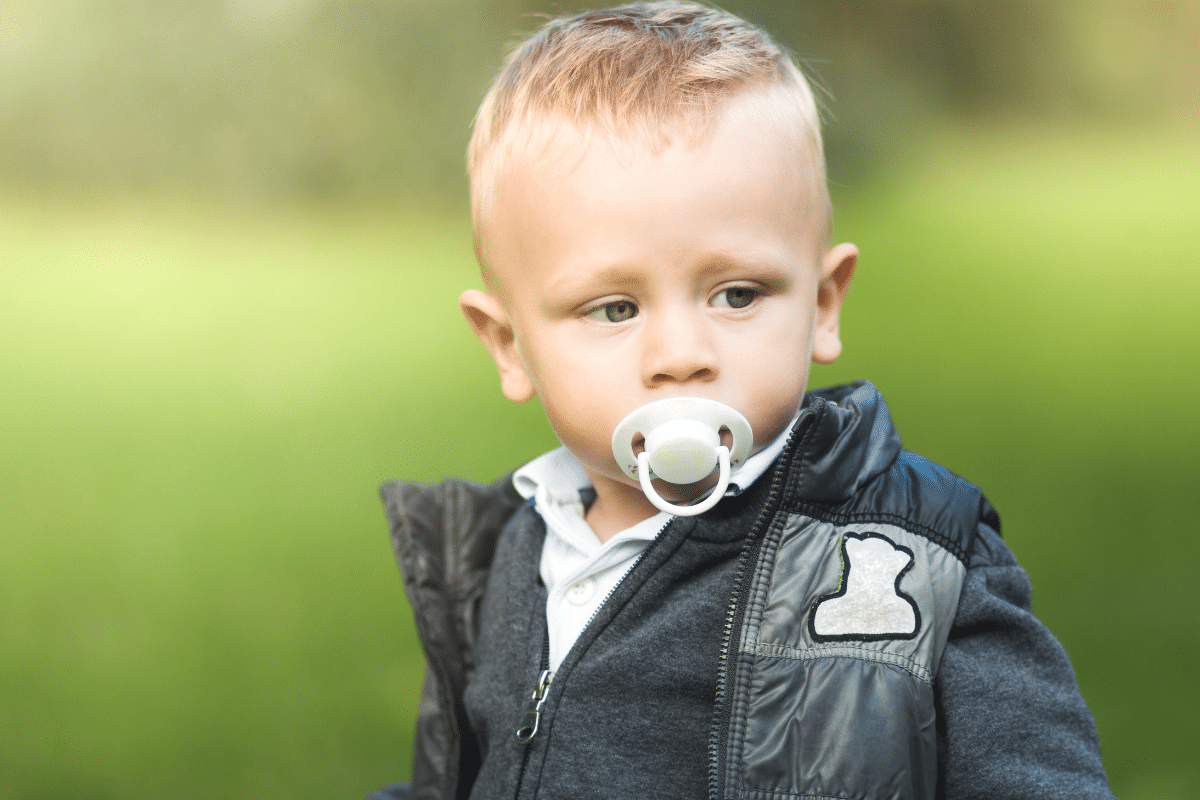
Pacifiers satisfy a baby’s natural sucking reflex, providing comfort and security. Many babies instinctively suck their thumb or fingers, so pacifiers often serve as a substitute. They also help soothe babies during stressful moments or ease them into sleep. While pacifiers can be helpful in early infancy, overuse can lead to dental concerns as your child grows.
When Does Pacifier Use Become a Concern?
Pacifiers typically do not affect dental development in children under two years of age. However, prolonged use after this stage can lead to complications such as:
- Misalignment of Teeth: Extended pacifier use can cause teeth to shift or grow at improper angles.
- Bite Issues: Problems like open bite (when teeth don’t meet properly) or crossbite may develop.
- Palate Changes: The shape of the roof of the mouth can be altered with long-term pacifier use.
Most dental issues resolve naturally if pacifier use ends before age three. Beyond that, the risk of permanent dental changes increases.
Signs Your Child’s Pacifier Use May Be Affecting Their Teeth
Here are some indicators that prolonged pacifier use might be impacting your child’s oral health:
- Teeth don’t align properly when the mouth is closed.
- Speech development issues like difficulty pronouncing certain sounds.
- Changes in the shape of the jaw or roof of the mouth.
- An open bite, where upper and lower teeth don’t touch even when the mouth is closed.
If you notice these signs, it’s time to consult our pediatric dentist in Brighton to evaluate your child’s dental development.
How to Minimize the Impact of Pacifiers on Dental Health
You don’t need to eliminate pacifier use entirely, but managing its use is essential. Here’s how you can minimize potential harm:
- Limit Pacifier Use to Nap and Bedtime
Reduce the time your child spends with a pacifier to prevent constant pressure on their teeth. - Choose Orthodontic Pacifiers
Orthodontic pacifiers are designed to support natural oral development and reduce the risk of dental misalignment. - Wean Gradually
Begin phasing out the pacifier as your child approaches their second birthday. Gradual weaning can ease the transition for both parents and children. - Encourage Alternative Comforts
Introduce a favorite toy or blanket to replace the pacifier as a source of comfort. - Regular Dental Visits
Schedule regular check-ups with a pediatric dentist to monitor your child’s dental health and receive professional guidance.
Tips for Helping Your Child Let Go of the Pacifier
Weaning a child off a pacifier can be challenging. Here are some helpful strategies:
- Offer Rewards: Use small rewards to encourage your child to go pacifier-free for a certain period.
- Create a Farewell Ritual: Some parents use a “pacifier fairy” to collect the pacifiers and leave a special gift in exchange.
- Distract and Engage: Keep your child busy with engaging activities to divert their attention from the pacifier.
- Be Patient: Transitioning away from a pacifier takes time. Be supportive and patient throughout the process.
The Role of Pediatric Dentists
Pediatric dentists play a crucial role in helping parents navigate pacifier use and its effects on dental health. At Brighton Healthy Smiles, our pediatric dentist specializes in monitoring your child’s oral development and offering personalized advice. Regular dental check-ups at our dental office in Brighton can ensure any potential issues are identified early and addressed effectively.
Take Charge of Your Child’s Dental Health
Pacifiers can be a helpful tool during early childhood, but prolonged use may affect your child’s teeth and oral development. By understanding when pacifier use becomes a concern and taking proactive steps to manage it, you can help your child maintain a healthy smile.
For expert guidance, book an appointment with our skilled pediatric dentist in Brighton, who can provide personalized care and advice for your child’s oral health. Take the first step toward ensuring your child’s bright and healthy smile today!