
Dreaming of a dazzling smile with strong, beautiful teeth? Dental implants are a popular and effective solution for replacing missing teeth. But what if you have gum disease? Can you still be a candidate for implants?
The answer is it depends. While healthy gums are ideal for dental implant success, experiencing gum disease doesn’t automatically disqualify you. This blog post dives deep into the relationship between gum health and dental implants, helping you understand your options and navigate the path toward a brighter smile.
Understanding Gum Disease and Its Impact on Implants
Gum disease, also known as periodontal disease, is a chronic inflammatory condition affecting the gums and jawbone. It starts with gingivitis, characterized by swollen, red, and bleeding gums. Left untreated, gingivitis progresses to periodontitis, leading to bone loss around the teeth and causing them to loosen and eventually fall out.
Here’s why healthy gums are crucial for dental implants:
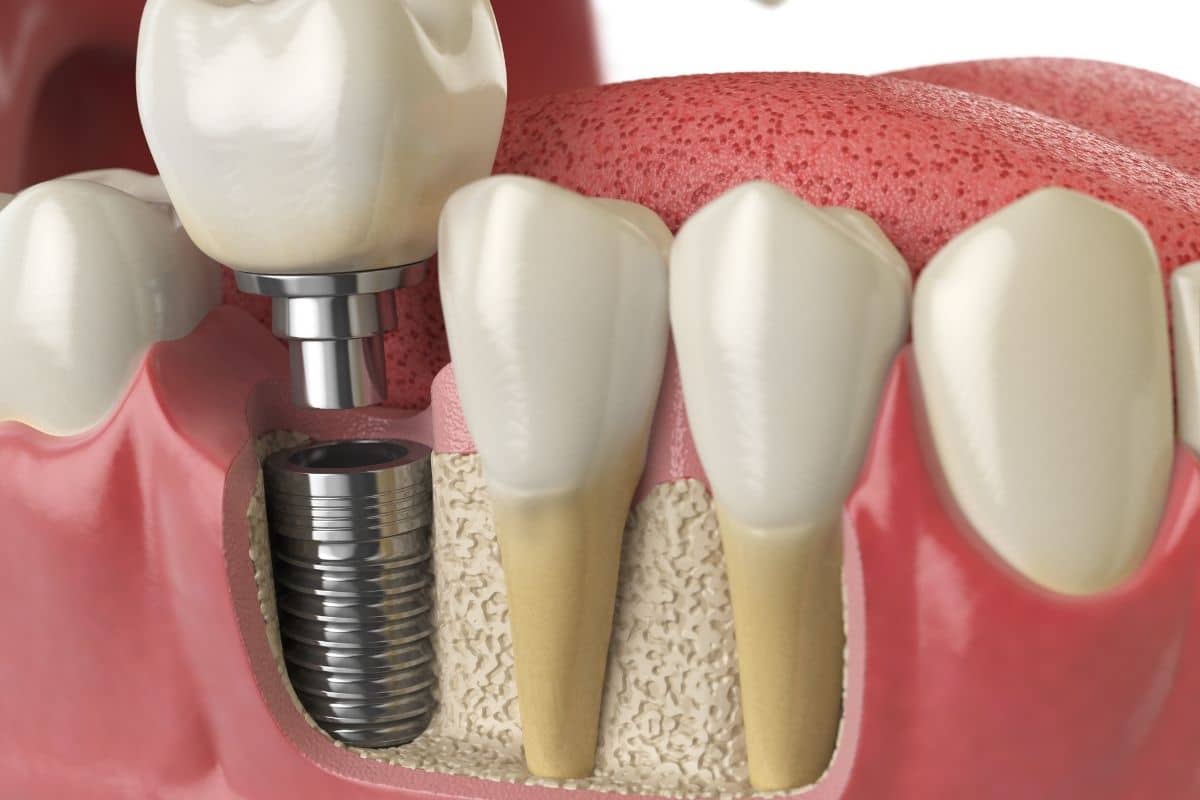
- Support: Implants rely on healthy bone to fuse with and provide a strong foundation. Gum disease weakens this bone, jeopardizing implant stability and success.
- Seal: Healthy gums form a tight seal around the implant, preventing bacteria from entering the underlying bone and causing infection (peri-implantitis). This is crucial for long-term implant health.
Can You Still Get Dental Implants with Gum Disease?
The severity of your gum disease determines your candidacy for implants.
- Mild Gingivitis: With proper treatment like scaling and root planing (deep cleaning) to remove plaque and tartar buildup, you may be able to proceed with implants after successful gum disease control.
- Moderate Periodontitis: After undergoing periodontal therapy to manage gum inflammation and infection, you might be a candidate for implants, potentially requiring additional procedures like bone grafting to increase bone density for implant placement.
- Advanced Periodontitis: Extensive bone loss may make traditional dental implants unsuitable. However, alternative implant techniques or other tooth replacement options might be explored with your dentist in Brighton.
Treatment Options for Gum Disease Before Dental Implants
If gum disease is present, getting it under control is essential before considering dental implants. Here are some potential treatment options:
- Scaling and Root Planing: This deep cleaning procedure removes plaque and tartar buildup from below the gumline, halting the progression of gum disease.
- Antibiotics: If an infection is present, your dentist might prescribe antibiotics to eliminate harmful bacteria.
- Pocket Reduction Surgery: In severe cases, surgical intervention might be necessary to reshape the gum tissue and reduce gum pockets where bacteria gather.
- Bone Grafting: If bone loss has occurred due to advanced gum disease, bone grafting procedures can rebuild the jawbone and create a suitable foundation for implants.
Finding the Right Dental Implant Specialist in Brighton
The success of dental implants depends on the expertise of the dentist placing them. Here’s what to look for when searching for dental implant specialists in Brighton:
- Experience: Choose a dentist with extensive experience in dental implant placement and a proven track record of successful outcomes.
- Qualifications: Ensure your chosen dentist holds relevant qualifications in dental implantology.
- Technology: Look for a dentist who utilizes advanced technology for accurate implant placement and monitoring.
At Brighton Healthy Smiles, we offer a comprehensive consultation process to assess your dental health and determine your candidacy for dental implants. During the consultation, we will:
- Review your medical history: Certain medical conditions may impact your suitability for implants.
- Perform a thorough dental examination: This includes examining your gums, teeth, and jawbone health.
- Develop a personalized treatment plan tailored to your specific needs, whether it involves treating gum disease first or moving directly to implant placement.
We understand the importance of achieving a healthy, confident smile, and we’re committed to guiding you through every step of the dental implant process.
Conclusion
Dental implants offer a long-term solution for replacing missing teeth, but healthy gums are crucial for their success. While gum disease can present a challenge, it doesn’t necessarily exclude you from dental implants in Brighton. With proper gum disease treatment and a skilled dental implant specialist, you can still achieve the beautiful smile you deserve.
Schedule a consultation with Brighton Healthy Smiles today to explore your options and discuss the possibility of dental implants for a brighter, healthier future!