When it comes to improving the appearance of your smile, there are several options to consider. Two popular treatments are cosmetic bonding and tooth contouring procedures, but how do you know which one is right for you? Whether you’re looking to fix small chips, reshape teeth, or enhance your smile’s overall look, cosmetic bonding offers a quick and effective solution for many Brighton residents.
At Brighton Healthy Smiles, we specialize in cosmetic bonding to deliver a beautiful, natural-looking smile. Our team is dedicated to helping local families achieve their dream smiles with minimal discomfort and downtime. Interested in enhancing your smile?
Contact us today to schedule your consultation and learn more about how cosmetic bonding can work for you.
Meet Dr. Jonathan M. Birchmeier: Your Trusted Dentist for Cosmetic Dentistry in Brighton

Dr. Jonathan M. Birchmeier is a dedicated dentist who graduated from the University of Michigan School of Dentistry. He also earned his Bachelor of Science degree in biology from the University of Michigan. During his time in dental school, Dr. Birchmeier held a leadership role in student government and was an active member of the Xi Psi Phi international dental society. After completing a general practice residency at the University of Toledo Medical Center, he gained valuable experience in various dental procedures, including cosmetic tooth reshaping.
Dr. Birchmeier now resides in Canton with his wife, two children, and two dogs. He is deeply involved in his local community, contributing to events such as Wayne Memorial High School’s Children’s Holiday Nights and the Champions of Wayne teen mentoring program.
Outside of dentistry, he enjoys playing golf, watching sports, or diving into books related to his profession.
If you’re looking to enhance your smile with cosmetic tooth reshaping, schedule a consultation with Dr. Birchmeier today and take the first step toward a more confident you.
Which Option is Best for You: Cosmetic Bonding or Contouring in Brighton?
When it comes to improving the appearance of your smile, two popular options are composite bonding and tooth contouring. Each procedure has its benefits, but understanding the differences and deciding which one is right for you can be challenging. In this section, we’ll explain cosmetic bonding and contouring, highlighting why it’s often the preferred choice for many patients in Brighton.
What is Cosmetic Bonding?
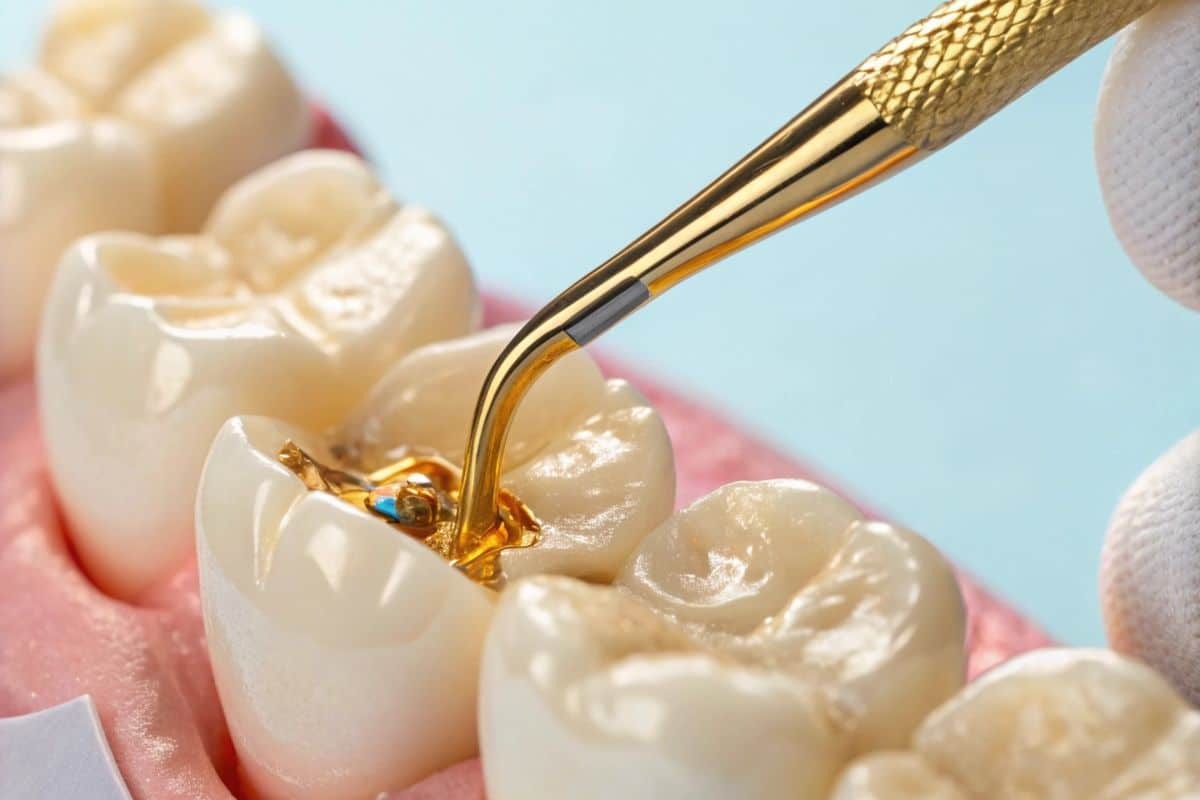
Cosmetic bonding is a procedure in which a tooth-colored resin is applied to a tooth to help restore its shape, color, and appearance. This treatment can address a variety of issues, such as chipped, cracked, or discolored teeth. The bonding material is molded directly onto the tooth, providing a natural, seamless appearance that blends with the surrounding teeth.
One of the most significant advantages of composite bonding is its ability to address multiple concerns in a single appointment. Whether you have gaps, minor misalignments, or staining, bonding can make a noticeable difference in the overall look of your smile. The process is quick, non-invasive, and usually requires little to no downtime, making it an excellent option for those seeking a fast, effective way to enhance their smile.
Benefits of Cosmetic Bonding in Brighton
Patients in Brighton opt for cosmetic bonding for various reasons. One of the main benefits is that it is less invasive compared to other treatments, such as crowns or veneers. Minimal preparation is required, and no significant alteration of the natural tooth is made. This is especially important for individuals who want to maintain as much of their natural tooth structure as possible.
In addition, dental bonding is highly versatile. It can be used to correct a range of issues, including:
- Chipped or cracked teeth: Bonding can fill in small cracks or chips, restoring the tooth’s natural shape.
- Discoloration: Stained or discolored teeth can be restored with a natural-looking resin that matches the color of the surrounding teeth.
- Gaps between teeth: Bonding can be used to fill in small gaps, providing a more uniform appearance.
- Minor misalignments: Bonding can correct slight misalignments or uneven tooth edges, offering a straighter, more even smile.
Composite bonding is also a cost-effective and convenient option for those seeking a fast, effective way to improve their smile without committing to more extensive procedures. It requires no special care, and patients can resume normal activities shortly after the procedure.
Who Are the Ideal Candidates for Cosmetic Bonding?
Composite bonding is an ideal option for people who have minor dental imperfections they want to address. Good candidates for bonding are those with healthy teeth that need improvement in shape, size, or color. Bonding is also ideal for people with only a few dental issues and who want a non-invasive solution to correct them.
While dental bonding is suitable for many people, it may not be the right choice for everyone. Candidates should have healthy gums and teeth, as bonding is not recommended for those with severe decay or gum disease. People with severely damaged or misaligned teeth may need more extensive treatment, such as veneers or crowns.
When Is Tooth Contouring Required?
Tooth contouring is another smile enhancement option, but it’s typically used for different reasons than composite bonding. Tooth contouring involves shaving or reshaping teeth to correct imperfections such as uneven edges or minor misalignments. While this procedure can enhance a smile, it’s generally used for people who only need minor adjustments to their tooth shape.
Contouring is often combined with bonding or other cosmetic procedures to achieve a more balanced appearance. However, it’s important to note that contouring is not suitable for people with severe imperfections or damaged teeth. In these cases, composite bonding is often the best solution, as it can provide more dramatic results without altering the natural tooth structure.
Why Cosmetic Bonding Is the Right Choice for Brighton Residents
For many people in Brighton, cosmetic bonding is the go-to option for improving their smile’s appearance. This treatment offers a range of benefits, including versatility, cost-effectiveness, and minimal downtime. Whether you’re dealing with small chips, gaps, or discoloration, bonding provides an excellent solution to address these issues quickly and effectively.
Compared to bonding vs reshaping teeth, composite bonding is a more comprehensive option. While reshaping is limited to minor alterations, bonding can address multiple concerns in a single procedure, making it a more suitable choice for those seeking a complete smile transformation.
If you’re considering smile enhancement options in Brighton, dental bonding is a good choice for noticeable improvements with minimal disruption to your daily life. It’s a quick, safe, and affordable solution for individuals who want to enhance the overall appearance of their smile without invasive procedures.
Transform Your Smile with Cosmetic Bonding
At Brighton Healthy Smiles, cosmetic bonding is an excellent solution for those looking to enhance their smile quickly and effectively. Whether you have chipped teeth, gaps, or discoloration, cosmetic dental bonding offers a simple, non-invasive option to improve the appearance of your teeth. With minimal downtime and lasting results, it’s no wonder that so many patients in Brighton choose bonding to restore their smiles. Visit us at 10407 Grand River Ave STE 900, Brighton, MI 48116, and let us help you achieve a smile you can be proud of.
Schedule your consultation today and discover how dental bonding can transform your smile.
Happy Patients, Beautiful Smiles: What People Are Saying
Staff was very kind and very professional. Explain everything to me through the process very well. I look forward to going back.— Bob Gillette
For more positive reviews, check out our review section.
Frequently Asked Questions
What Is the Difference Between Dental Bonding and Contouring?
Dental bonding involves applying a tooth-colored resin to correct imperfections like chips, gaps, and discoloration. In contrast, tooth contouring reshapes the natural tooth structure by removing small amounts of enamel to smooth uneven edges or correct minor misalignments. Bonding provides more dramatic results for larger issues.
Is Cosmetic Bonding Better Than Tooth Contouring?
Cosmetic bonding is generally a more versatile solution that addresses a range of issues, including gaps, chips, and discoloration. Tooth contouring, on the other hand, is used for minor reshaping of the teeth. The choice depends on the patient’s needs, with bonding offering a more comprehensive result for many.
Who Is a Good Candidate for Dental Bonding?
Dental bonding is ideal for people with minor imperfections, such as chips, gaps, or discoloration. It works well for patients looking for a quick, non-invasive solution to improve the appearance of their smile. A dentist will evaluate the patient’s oral health to ensure it’s the right choice.
Does Tooth Contouring Damage Enamel?
Tooth contouring involves removing a small amount of enamel to reshape teeth, but it is generally safe when done correctly. Over-contouring or aggressive reshaping can potentially weaken the tooth’s structure, but when performed by a professional, it doesn’t cause significant damage to enamel.
How Long Does Cosmetic Bonding Last?
The longevity of cosmetic bonding depends on factors such as oral habits and the bonding material used. Typically, bonding lasts between 5 and 10 years, but with proper care, it can last even longer. Avoiding hard foods and practicing good oral hygiene can extend its lifespan.
Bonding vs. Contouring Cost Comparison?
Generally, dental bonding is more affordable than tooth contouring because it’s less invasive and takes less time. Visit our dental office to learn about the pricing of cosmetic bonding and contouring.
Best Cosmetic Dental Option For Chipped Teeth?
The best cosmetic dental option for chipped teeth is cosmetic bonding. It effectively restores the tooth’s appearance by filling in chips with a durable, tooth-colored resin. Bonding is a non-invasive procedure and offers immediate results, making it a popular choice for people with chipped teeth.