Dental implants in Brighton have revolutionized tooth replacement, offering a natural-looking and long-lasting solution for missing teeth. However, some patients might worry about their body rejecting the implant years later. This blog post from Brighton Healthy Smiles dives into this concern, exploring the concept of implant rejection and how to maximize your implant’s success.
Understanding Implant Rejection: Not Quite the Right Term
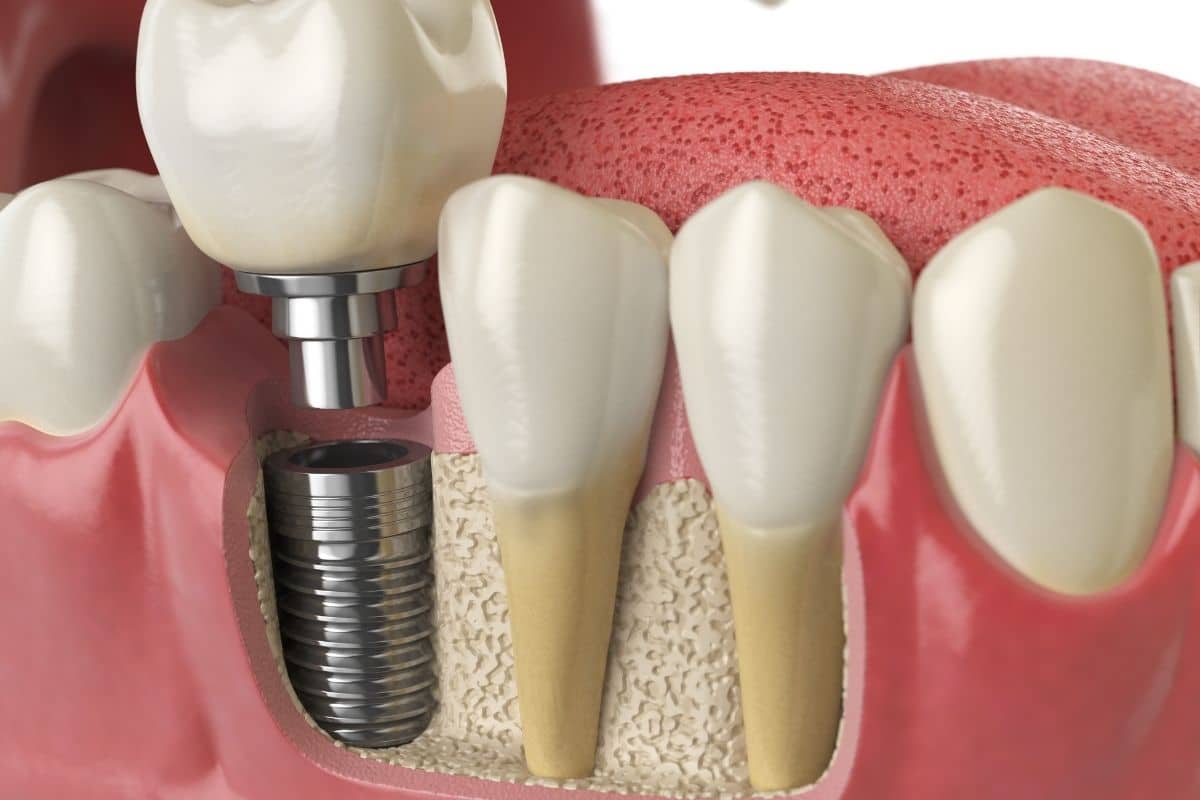
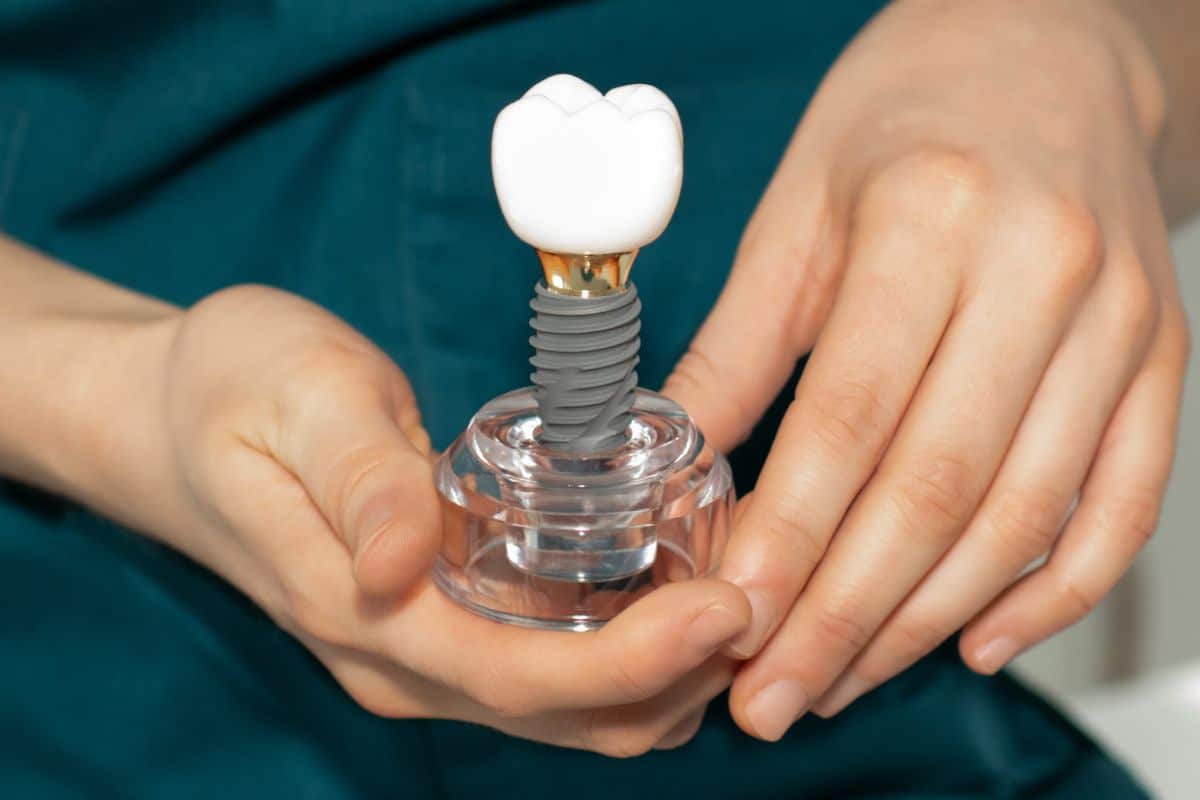
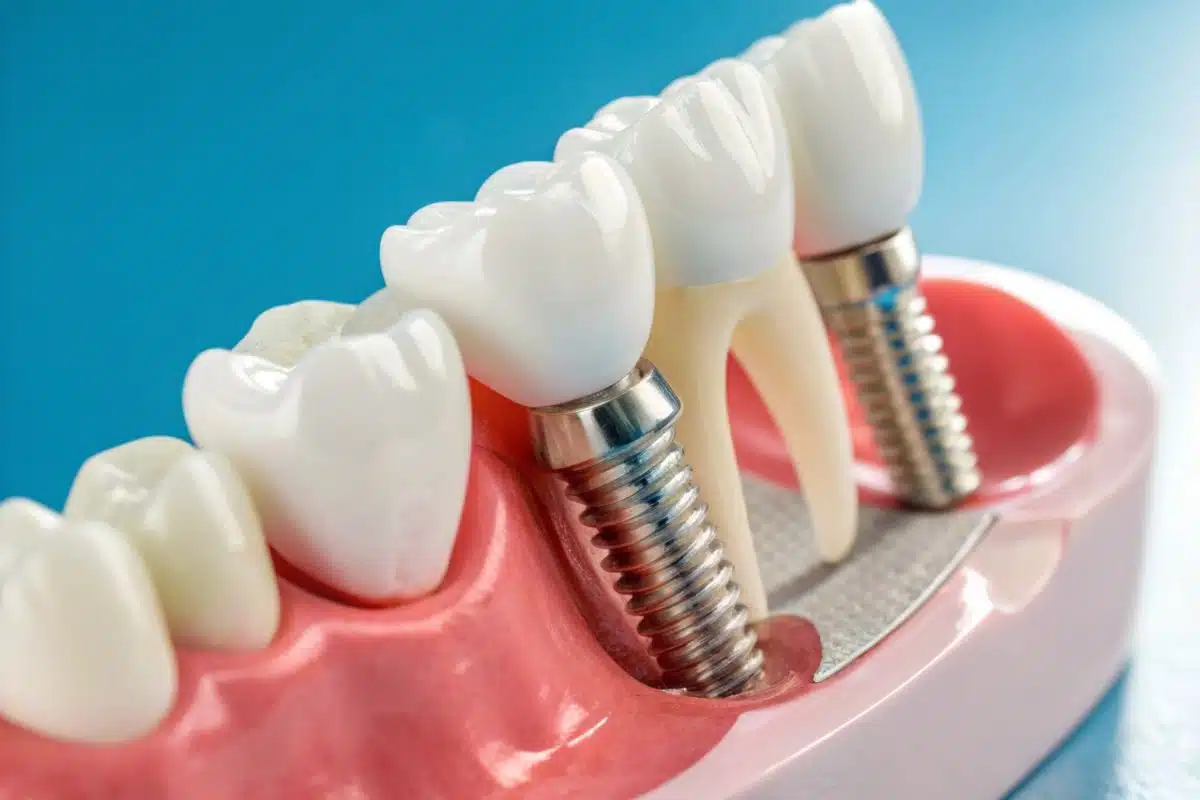
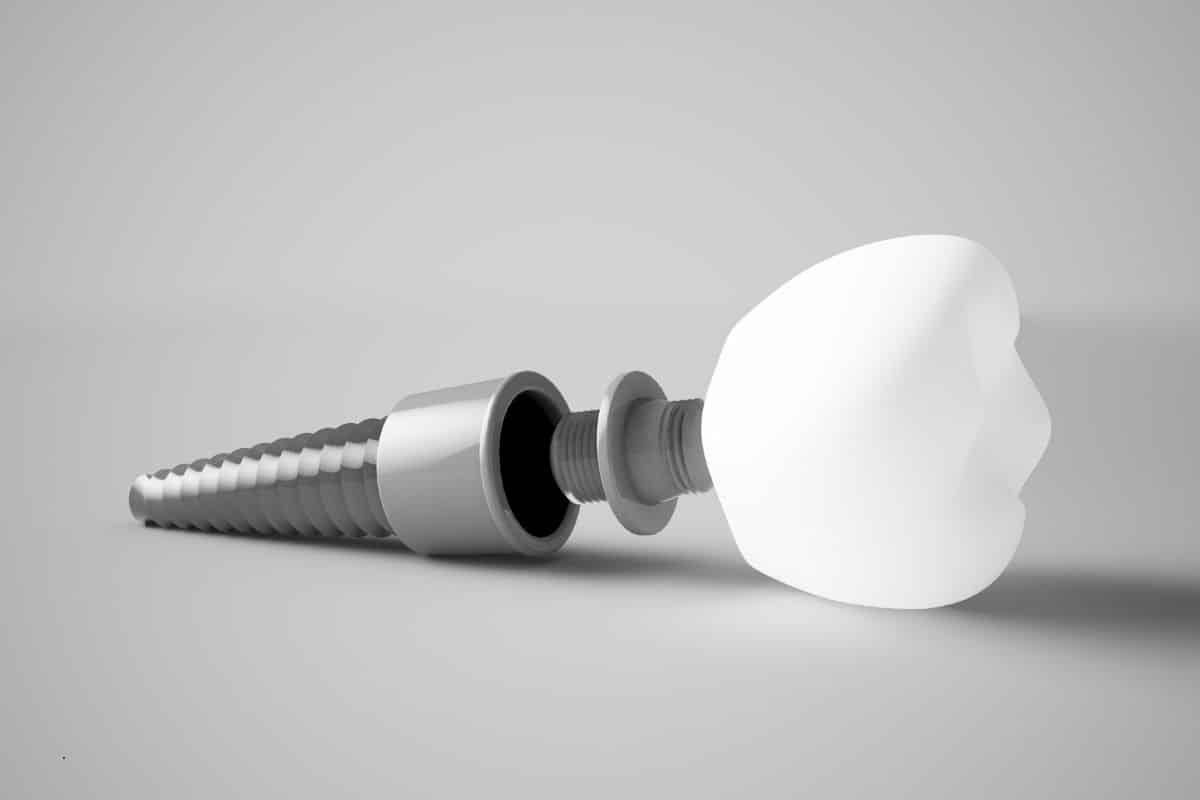
While the term “rejection” might conjure images of your body violently expelling the implant, this isn’t quite how it works with dental implants. Dental implants are made of biocompatible materials, like titanium, designed to integrate seamlessly with your jawbone.
However, a condition called peri-implantitis can occur. This inflammatory response around the implant is similar to gum disease around natural teeth. If left untreated, it can lead to bone loss and ultimately, implant failure.
Main Factors That Influencing Your Long-Term Implant Success
Several factors influence the long-term success of dental implants in Brighton:
- Material Biocompatibility: As mentioned earlier, dental implants are typically made of titanium, a well-tolerated material that fuses with the jawbone through a process called osseointegration.
- Surgical Technique: A skilled and experienced dentist plays a crucial role in successful implant placement. Proper surgical technique ensures minimal trauma and optimal positioning of the implant for long-term stability.
- Oral Hygiene: Maintaining excellent oral hygiene is paramount for the success of any dental restoration, including implants. Consistent brushing, flossing, and regular dental cleanings prevent plaque buildup and the development of peri-implantitis.
- Underlying Health Conditions: Certain health conditions, like uncontrolled diabetes or autoimmune diseases, can increase the risk of implant failure. Discussing your health history with your dentist in Brighton is crucial to determining if implants are right for you or not.
Signs and Symptoms of Peri-Implantitis
Early detection and treatment of peri-implantitis are key to preserving your dental implants in Brighton. Be aware of the following signs and symptoms:
- Redness, swelling, or bleeding around the implant
- Persistent bad breath
- Increased sensitivity or pain around the implant
- Loosening of the implant
Tips For Maximizing Implant Longevity
By following these tips, you can significantly increase the chances of a successful and long-lasting dental implant:
- Meticulous oral hygiene: Prioritize brushing twice daily with fluoride toothpaste and flossing at least once a day.
- Regular dental checkups: Schedule regular dental checkups and cleanings with your dentist in Brighton to monitor the health of your implants and surrounding tissues.
- Manage health conditions: Work with your doctor to manage any underlying health conditions that could compromise your implant’s success.
- Lifestyle modifications: Avoid habits like smoking, which can negatively affect healing and bone health.
Conclusion: Knowledge is Power
Dental implants in Brighton offer a fantastic option for replacing missing teeth and restoring your smile. While the risk of implant rejection years later is minimal, peri-implantitis can occur. By understanding the factors influencing implant success and practicing preventative measures, you can significantly increase the lifespan of your implants and enjoy a healthy, confident smile for years to come.
Schedule a consultation with Brighton Healthy Smiles today! Our experienced dentists will discuss your candidacy for dental implants and guide you through the process, ensuring a successful outcome.