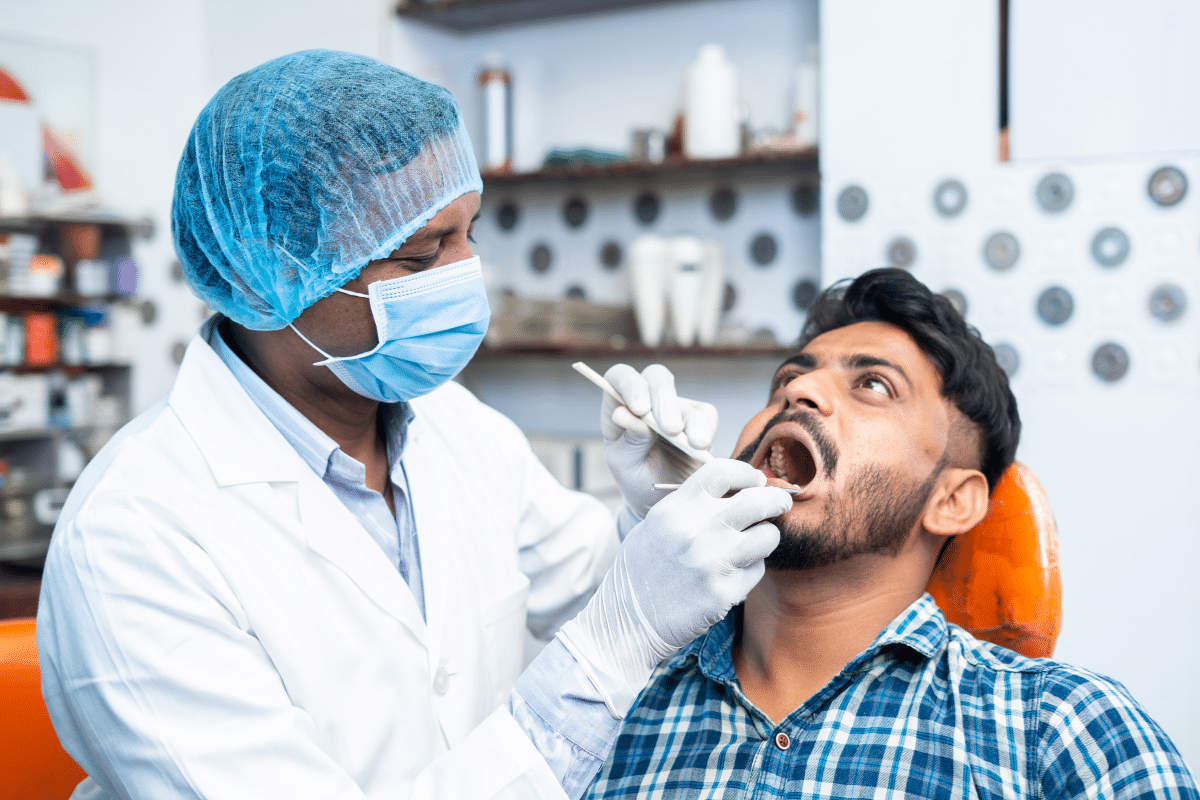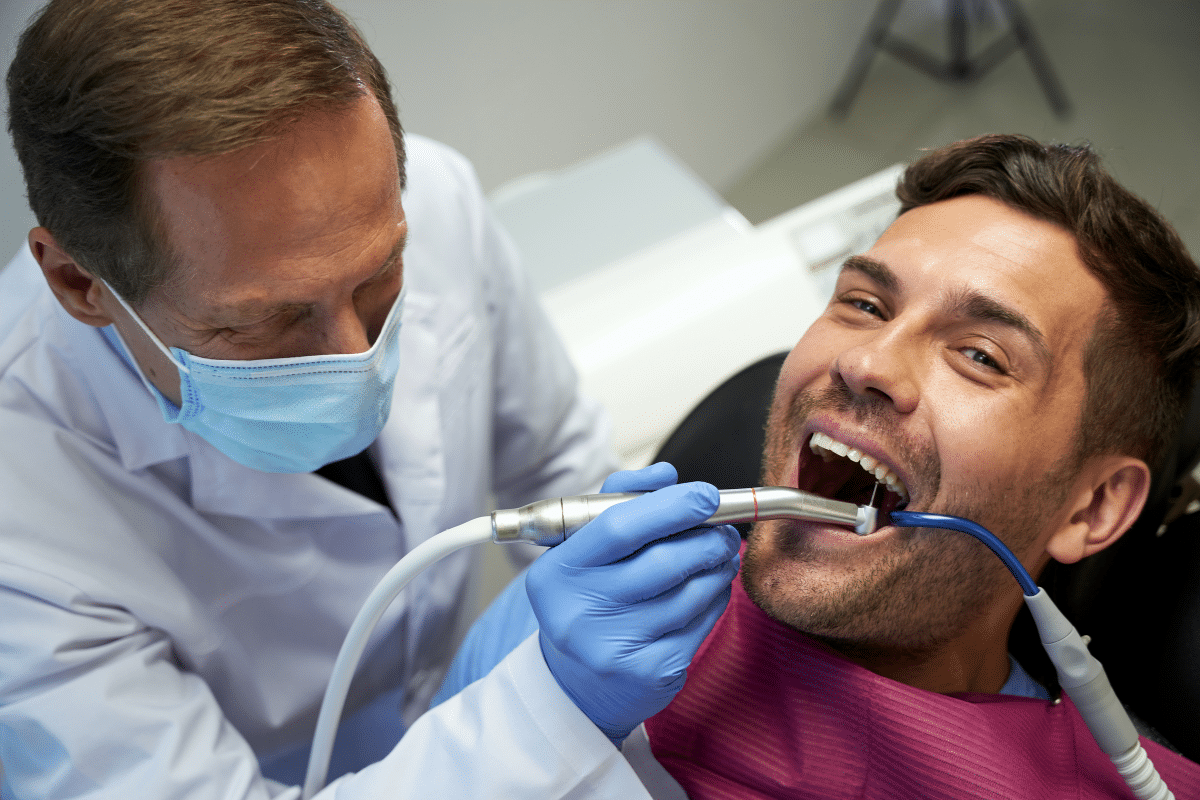
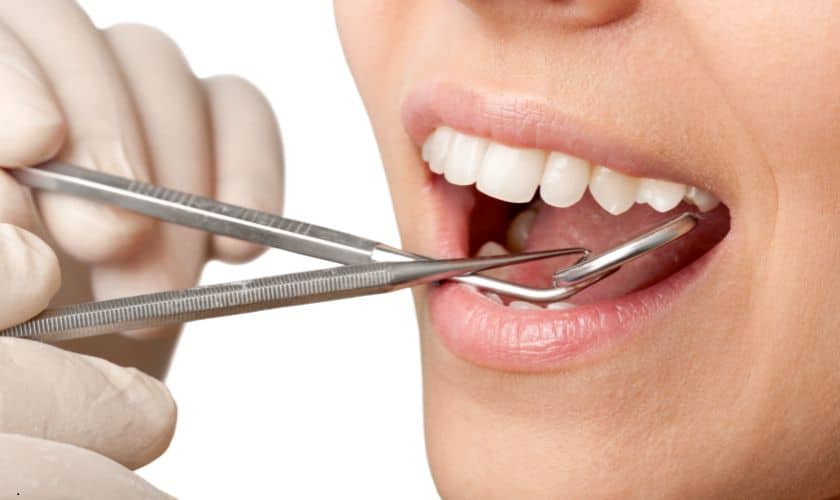
Discovering a small hole in your tooth can be concerning. While some internet searches might mention “healing” cavities, the reality is a bit more complex. This blog post explores the nature of cavities, the potential for reversal in early stages, and why consulting a dentist in Brighton is crucial for optimal oral health.
Understanding Cavities: The Threat to Tooth Structure
Cavities, also known as dental caries, are tiny holes that develop in the hard surface of your teeth, the enamel. They occur due to a combination of factors:
- Plaque Buildup: Plaque is a sticky film containing bacteria that feed on sugars and starches in your diet. Bacteria produce acid as a byproduct, which erodes tooth enamel.
- Acid Erosion: Frequent consumption of acidic foods and drinks can also contribute to enamel erosion, creating weak spots susceptible to cavities.
- Insufficient Saliva Flow: Saliva naturally helps wash away food particles and neutralize acids in your mouth. Reduced saliva flow can create an environment conducive to cavity formation.
If left untreated, cavities can progress through the enamel into the softer dentin layer beneath, causing sensitivity and pain. In advanced stages, they can reach the pulp, the central chamber containing nerves and blood vessels, leading to severe pain and potential tooth loss.
The Myth of Self-Healing Cavities: Early Intervention Is Key
Unfortunately, tooth enamel lacks the ability to regenerate on its own. Once a cavity forms, it won’t naturally heal. However, there’s a glimmer of hope in the early stages:
- Remineralization: In the very early stages of a cavity, when a white spot appears on the tooth’s surface, remineralization is possible. Saliva and fluoride can help strengthen the weakened enamel and potentially reverse the initial demineralization process.
Here’s the crucial takeaway: Early detection and intervention are vital. While self-healing isn’t possible, a dentist in Brighton can identify cavities in their earliest stages and recommend treatment options to prevent further damage.
Treatment Options for Cavities: Preserving Your Smile with a Dentist in Brighton
If a dentist in Brighton discovers a cavity, they will recommend the most suitable treatment based on the cavity’s severity:
- Fluoride Treatment: For very early cavities, topical fluoride applications or fluoride toothpaste can help remineralize weakened enamel and prevent further decay.
- Fillings: For small to moderate cavities, fillings restore the tooth structure and function using tooth-colored composite resin or other materials.
- Crowns: For larger cavities or structurally compromised teeth, crowns provide a more comprehensive restoration, encasing the entire tooth structure for added strength and protection.
Early diagnosis and treatment by a dentist in Brighton help prevent cavities from progressing and potentially causing further complications and discomfort.
Maintaining Healthy Teeth: Prevention is Key
Here are some essential steps you can take to prevent cavities and maintain healthy teeth:
- Brushing and Flossing: Meticulous brushing twice daily with fluoride toothpaste and daily flossing removes plaque and food particles that contribute to cavities.
- Dietary Modifications: Limiting sugary and acidic foods and drinks reduces the fuel source for plaque bacteria, preventing acid erosion.
- Regular Dental Checkups: Schedule regular dental checkups and cleanings with a dentist in Brighton for professional cleaning, early cavity detection, and preventive measures.
By prioritizing good oral hygiene practices and seeking professional dental care, you can significantly reduce your risk of cavities and maintain a healthy smile throughout your life.
Conclusion: Partnering with a Dentist in Brighton for Optimal Oral Health
While small holes in teeth (cavities) cannot heal on their own, early intervention by a dentist in Brighton can make a significant difference. Regular checkups allow for early cavity detection and treatment options to prevent further damage. Following a good oral hygiene routine and maintaining a healthy diet further contribute to a cavity-free smile.
Schedule an appointment with a dentist in Brighton today to discuss your oral health concerns and create a personalized plan for optimal smile health!