Seeing your baby in discomfort due to mouth ulcers can be stressful. These tiny sores can make feeding, drinking, and even pacifier use painful. While baby mouth ulcers are common, understanding their causes and treatments can help ease your little one’s discomfort. Let’s explore everything you need to know about baby mouth ulcers, including why they happen, how to manage them, and when to visit a pediatric dentist.
Common Types of Baby Mouth Ulcers
Mouth ulcers in babies can appear in different forms, each with unique causes and symptoms. Here are the most common types:
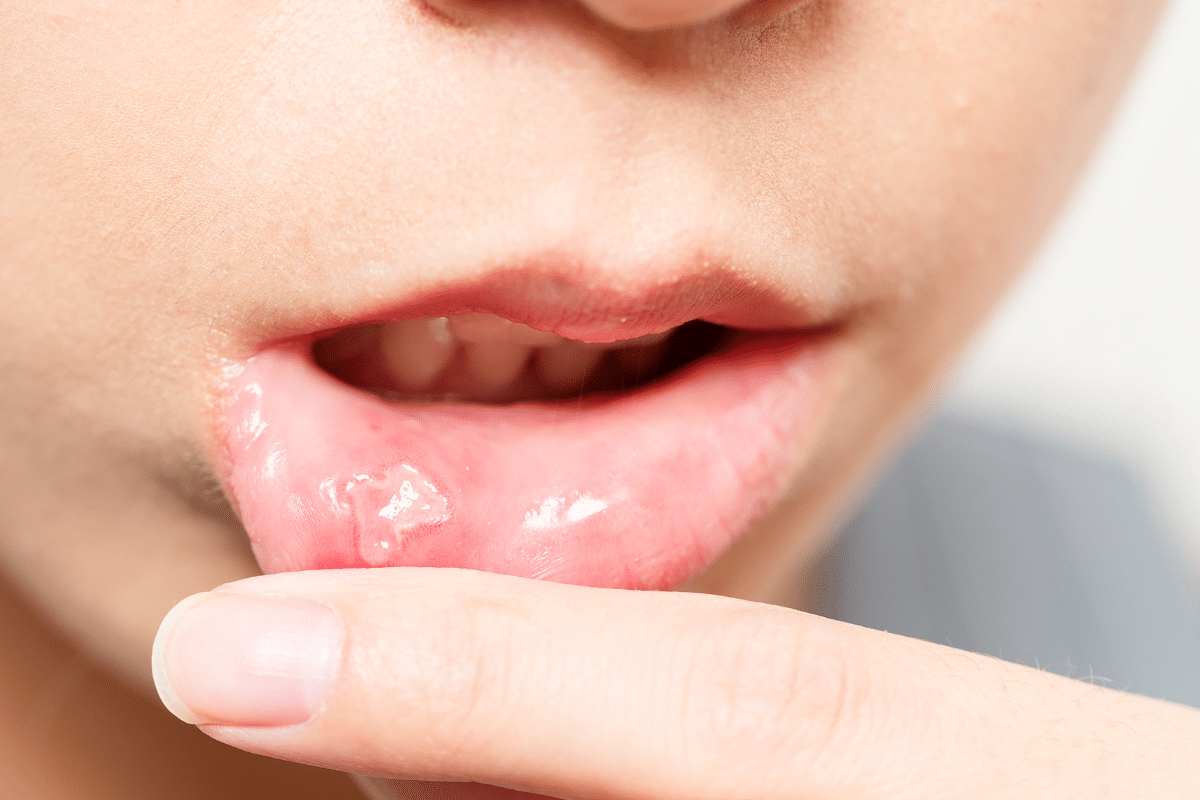
- Aphthous ulcers (Canker sores): These small, round sores often appear inside the cheeks, lips, or under the tongue. They are not contagious and can be triggered by stress, minor injuries, or certain foods.
- Cold sores: Caused by the herpes simplex virus, cold sores are fluid-filled blisters that appear around the lips or inside the mouth. If you’re wondering, “Can babies get cold sores from teething?” the answer is no—teething does not cause cold sores, but the stress of teething may weaken the immune system, making a baby more susceptible.
- Oral thrush: This fungal infection appears as white patches on the tongue, gums, and inside the cheeks. It is caused by an overgrowth of yeast and can make the mouth feel sore.
- Hand, Foot, and Mouth Disease (HFMD): A viral infection that causes painful ulcers inside the mouth, along with rashes on the hands and feet. This condition is highly contagious and common in young children.
Causes of Mouth Ulcers in Babies
Several factors can contribute to baby mouth ulcers, including:
- Teething: Many parents associate baby mouth ulcers with teething, as sore gums and increased drooling can lead to irritation.
- Viral infections: Viruses like herpes simplex, coxsackievirus (HFMD), or Epstein-Barr can cause painful mouth ulcers.
- Minor injuries: Biting the tongue, sucking on a pacifier too hard, or irritation from certain foods can lead to small ulcers.
- Weakened immune system: Babies with a weak immune system may be more prone to recurrent mouth ulcers.
- Nutritional deficiencies: Lack of essential vitamins like B12, iron, and folic acid can increase the risk of mouth ulcers in babies.
Effective Treatments for Baby Mouth Ulcers
If your baby develops a mouth ulcer, there are several ways to ease the pain and speed up healing:
Home Remedies
- Cold compress: A chilled spoon or frozen teething ring can provide relief.
- Breast milk: If breastfeeding, continue nursing, as breast milk contains antibodies that help fight infections.
- Soft foods: Offer pureed fruits, yogurt, or mashed vegetables to prevent irritation.
- Hydration: Keep your baby well-hydrated to prevent dryness and further discomfort.
- Honey (for babies over 1 year old): A small dab of honey can help soothe and heal the ulcer.
Medical Treatments
If the ulcers persist or seem severe, our pediatric dentist in Brighton may recommend:
- Pain relief gels: Over-the-counter teething gels or topical anesthetics can temporarily numb the pain.
- Antiviral medication: If the ulcer is caused by a virus like herpes simplex, a doctor may prescribe antiviral medication.
- Antifungal treatment: Oral thrush requires antifungal drops or medication to clear the infection.
- Vitamin supplements: If nutritional deficiencies are the cause, supplements may be recommended.
When to See a Pediatric Dentist
While most baby mouth ulcers heal on their own, some cases require professional attention. Schedule a visit with our pediatric dentist in Brighton if:
- The ulcer lasts longer than two weeks.
- Your baby refuses to eat or drink due to pain.
- The sores spread or become worse.
- There is a high fever or swollen lymph nodes.
- Your baby develops frequent, recurring ulcers.
Final Thoughts
Mouth ulcers in babies can be painful but are usually not a cause for serious concern. While teething can sometimes be linked to oral discomfort, managing baby mouth ulcers during this stage involves reducing irritation and preventing infections. If your baby is struggling with persistent or severe mouth ulcers, seeking care from a pediatric dentist ensures the best treatment for a healthy, happy smile. Our dental practice in Brighton specializes in gentle and effective treatments, ensuring your baby’s comfort and well-being.