School sports bring excitement, teamwork, and physical activity. However, one unexpected collision can leave your child with a chipped tooth, bleeding gums, or a painful dental injury. Even sports with limited physical contact carry risks.
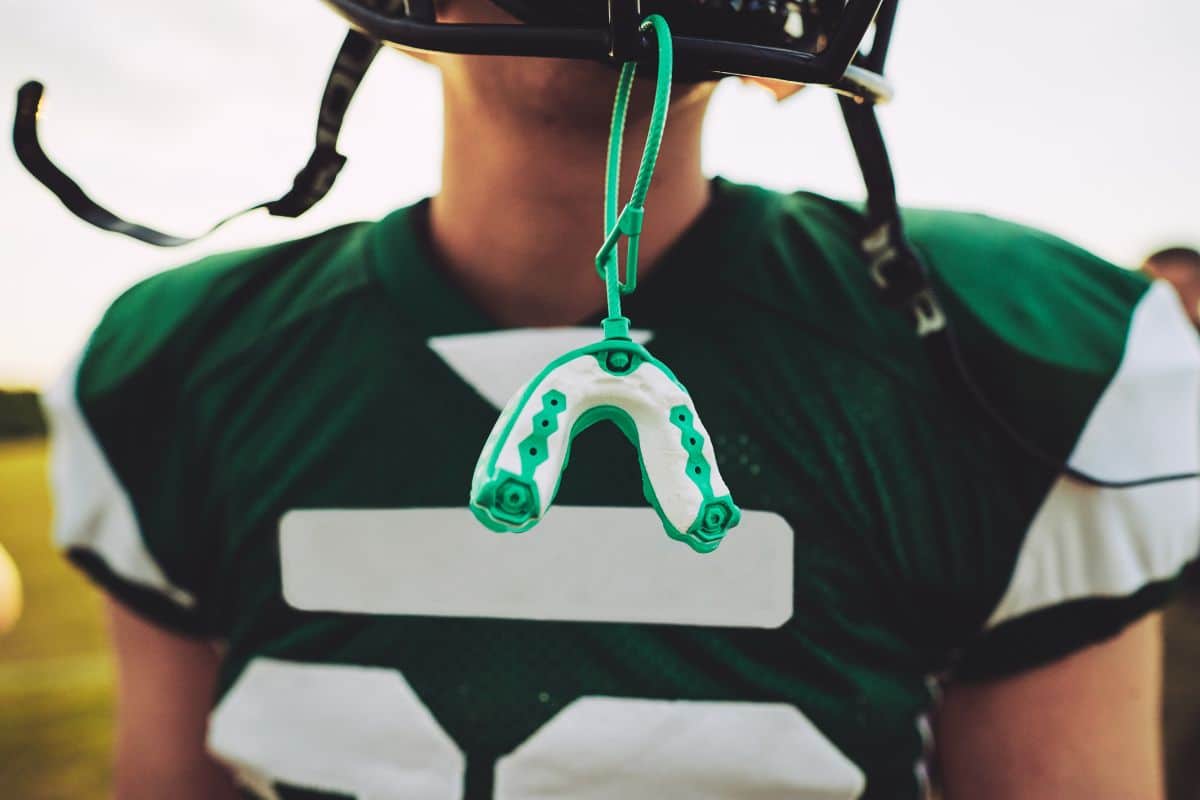
A custom mouthguard can help protect your child’s teeth during school sports, especially activities involving falls, collisions, or flying equipment.
At Brighton Healthy Smiles Family Dentistry, Dr. Birchmeier helps families understand preventive dental care. Parents exploring pediatric dentistry in Brighton can learn how proper sports protection supports their children’s growing smiles.
Why School Sports Put Teeth at Risk
Children face dental injury risks during games, practices, and recreational activities. A basketball elbow, an accidental fall, or a flying ball can damage teeth in seconds.
According to the American Dental Association (ADA), properly fitted oral protectors reduce the risk and severity of sports-related dental injuries.
Common injuries include:
- Chipped teeth: Direct impacts can fracture tooth enamel.
- Knocked-out teeth: Strong collisions can dislodge permanent teeth.
- Soft tissue injuries: Teeth can cut the lips, cheeks, or tongue.
- Displaced teeth: An impact can push teeth out of position.
- Jaw injuries: Falls and collisions may injure surrounding jaw structures.
These incidents can happen during routine practice, not just competitive games.
Which School Sports Require Dental Protection?
Children participating in contact sports should use appropriate dental protection. However, activities without regular player contact may also carry injury risks.
| Sports activity | Potential dental injury risk |
| Football and lacrosse | Direct player collisions |
| Basketball | Accidental elbows and falls |
| Soccer | Player contact and ball impacts |
| Hockey | Sticks, pucks, and collisions |
| Gymnastics | Falls during routines |
| Baseball and softball | Ball impacts and unexpected contact |
| Martial arts | Direct contact with the face |
A pediatric dentist can assess your child’s activities and recommend suitable protective equipment.
What Makes Custom Mouthguard Protection Different?
A custom-made dental protector is shaped to your child’s teeth and mouth.
Unlike generic products, professionally fitted protection follows your child’s unique dental contours. This helps the appliance remain secure during physical movement.
Benefits of Custom-Fitted Sports Protection
- Secure positioning: Reduces unnecessary movement during activity.
- Comfortable breathing: Allows children to breathe without excessive bulk.
- Clearer communication: Helps athletes communicate with teammates.
- Impact cushioning: Helps distribute forces that could damage teeth.
- Individual fit: Accommodates differences in tooth alignment and mouth size.
These features encourage consistent use throughout practices and games.
Custom vs. Store-Bought Dental Protectors
Parents often wonder whether standard sporting goods products provide sufficient protection.
Three main options are available:
Stock protectors: Ready-made products come in standard sizes. Their loose fit may make breathing and communication uncomfortable.
Boil-and-bite protectors: These soften in warm water and are shaped around teeth. Their effectiveness depends on proper fitting.
Custom-fitted protectors: Dental professionals create these using individual dental impressions or models. They generally provide improved retention and comfort.
A properly fitted store-bought option can still provide protection. However, children who struggle with fit may benefit from a custom mouthguard.
When Should Your Child Get Fitted?
Children should start wearing sports protection when they participate in activities with a meaningful risk of dental injury.
Parents should consider a professional fitting when:
- Their child begins organized school athletics.
- Existing protection frequently slips or falls out.
- Speaking or breathing feels uncomfortable.
- Permanent teeth are replacing baby teeth.
- Their child wears braces or other orthodontic appliances.
A pediatric dentist can evaluate dental development and determine whether adjustments or replacement are necessary.
How Does Professional Fitting Work?
Professional fitting starts with an exam of your child’s teeth, bite, and oral development.
The dentist obtains an impression or dental model to guide fabrication. Once the appliance is ready, its retention and comfort can be checked.
Parents can visit our dental office to discuss fitting concerns before the next sports season.
Our pediatric dentist may also recommend periodic evaluations because children’s teeth and jaws continue changing.
How Can Parents Maintain Sports Protection?
Proper maintenance keeps protective appliances clean and functional.
Follow these simple habits:
- Rinse the appliance after each use.
- Clean it according to dental instructions.
- Store it in a ventilated protective case.
- Keep it away from excessive heat.
- Inspect it regularly for cracks or worn areas.
- Bring it to dental checkups for fit evaluations.
Replace a mouthguard when it becomes damaged, loose, or uncomfortable. Children may require new fittings as permanent teeth emerge.
Protect Your Child’s Smile Before Game Day
School athletics should build confidence without unnecessary dental risks. Properly fitted protection helps children participate more comfortably.
Parents seeking a trusted pediatric dentist in Brighton can contact Brighton Healthy Smiles Family Dentistry for guidance about a custom mouthguard for kids.
Book an appointment before your child’s next sports season and take a practical step toward protecting their smile.
Frequently Asked Questions
1. Can Children Wear Dental Protection With Braces?
Yes. Children wearing braces should use orthodontic-compatible sports protection to reduce injuries to their teeth, lips, and cheeks. Standard appliances may interfere with brackets. A dental evaluation can identify a suitable option that accommodates orthodontic treatment.
2. How Often Should Children Replace Sports Guards?
Replacement depends on dental growth, appliance condition, and frequency of use. Losing baby teeth or developing permanent teeth can affect the fit. Schedule regular dental assessments to determine when a replacement is necessary.
3. Can Sports Protection Prevent Knocked-Out Teeth?
Properly fitted protection can reduce the risk of traumatic dental injuries, including displaced or knocked-out teeth. However, no appliance prevents every injury. Consistent use during practices and competitions remains important for protecting young athletes.
4. Should Children Wear Protection During Sports Practice?
Yes. Dental injuries can occur during routine drills, warmups, and training sessions. Children should wear appropriate protection whenever their activity presents a meaningful injury risk. Parents can consult a dental professional about suitable options.
5. How Can Parents Tell Whether Protection Fits Properly?
A properly fitted appliance should remain secure without constant biting or repositioning. Children should be able to breathe and speak comfortably while wearing it. A dental professional can check for loose areas, excessive pressure, and inadequate coverage.
6. What Happens If a Child Damages Their Sports Guard?
Stop using an appliance that has cracks, sharp edges, or significant wear. Damaged protection may no longer fit securely or cushion impacts effectively. Arrange a dental evaluation to determine whether adjustment or replacement is needed.