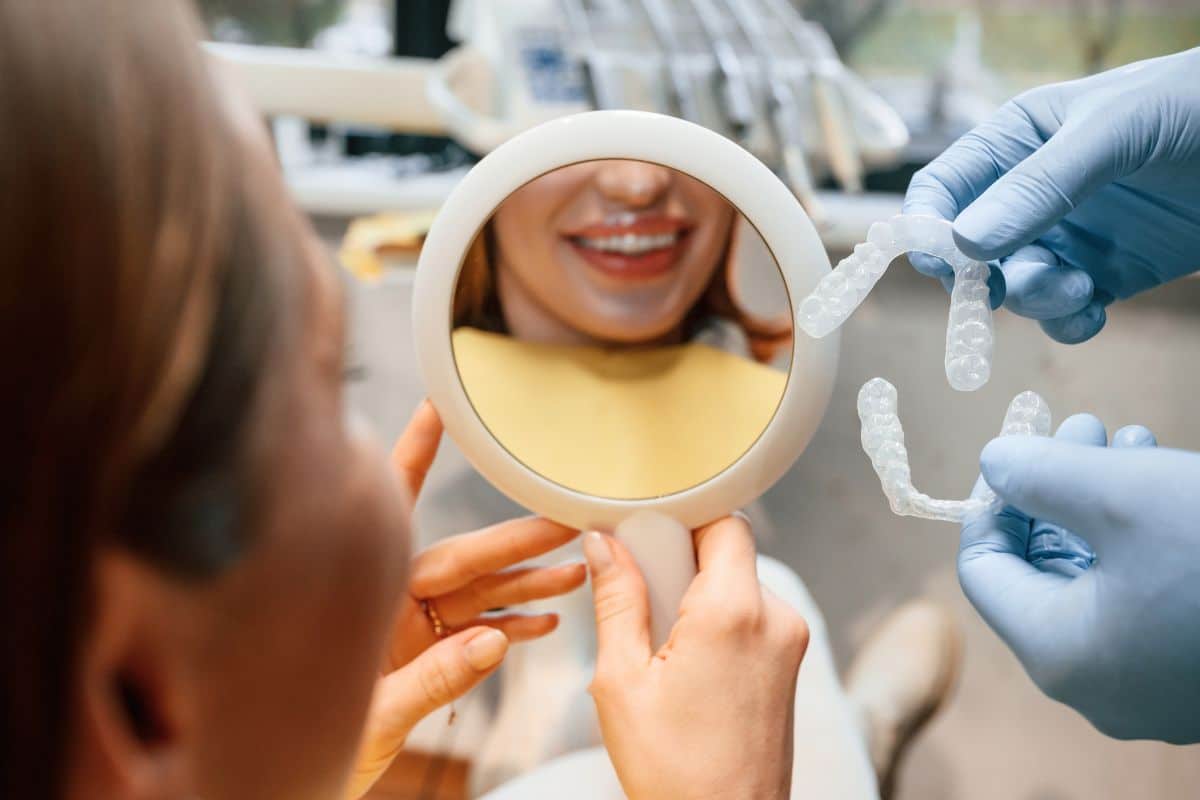
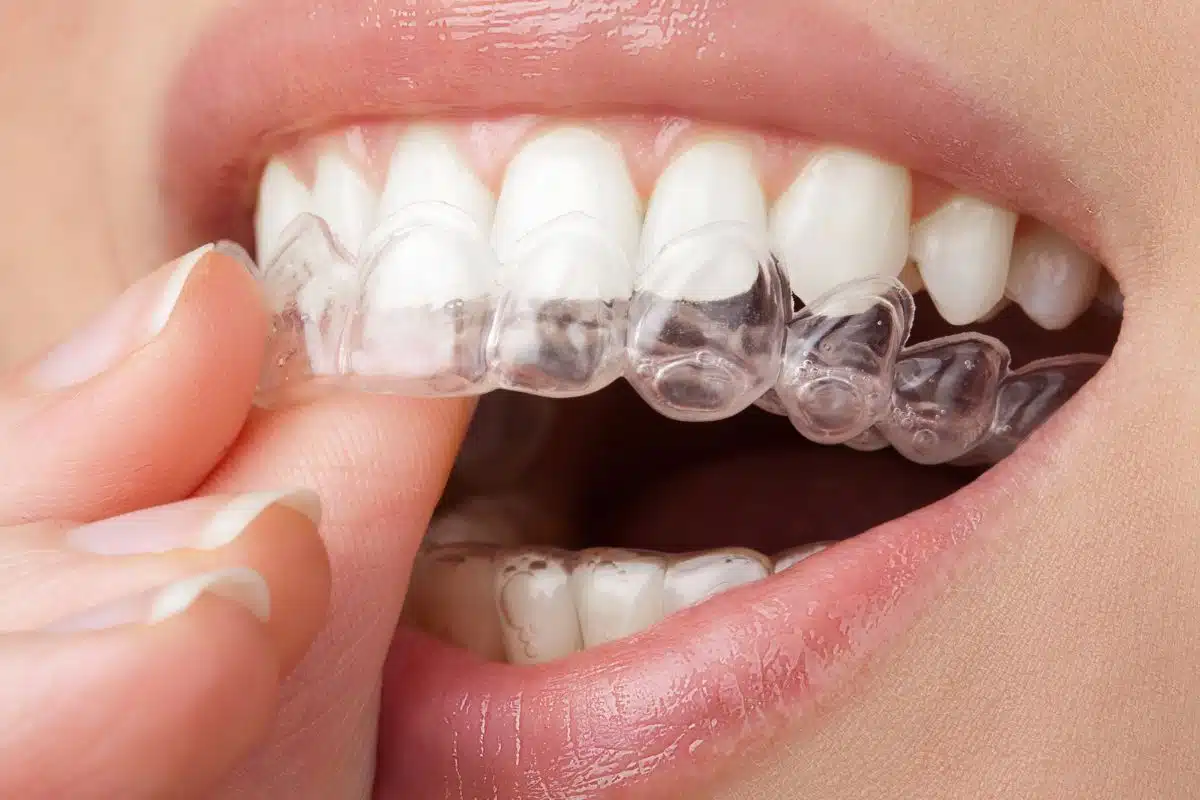
Clear aligners have become one of the most popular ways to straighten teeth because they offer a comfortable, nearly invisible alternative to traditional braces. Whether you’re looking to close small gaps, correct mild crowding, or improve your bite, clear aligners can help you achieve a healthier, more confident smile without the appearance of metal brackets and wires.
One of the first questions patients ask is, “How long will clear aligner treatment take?” The answer depends on your unique smile, the amount of tooth movement required, and how closely you follow your treatment plan.
At Brighton Healthy Smiles Family Dentistry, we help patients throughout Brighton and the surrounding communities achieve straighter smiles with customized clear aligner treatment. During your consultation, we’ll evaluate your teeth, discuss your goals, and create a personalized plan designed to deliver the best possible results.
Average Treatment Time for Clear Aligners
Most clear aligner treatment plans take between 6 and 18 months.
However, every smile is different. Some patients with minor alignment issues may complete treatment in as little as six months, while others with more complex orthodontic concerns may require additional time.
Several factors influence how long treatment will take, including:
- The position of your teeth
- Bite alignment
- The amount of tooth movement needed
- Your overall oral health
- How consistently you wear your aligners
After examining your teeth and creating a digital treatment plan, your dentist can provide a more accurate estimate based on your individual needs.
Many patients begin noticing positive changes within the first few months, making it easier to stay motivated throughout the process.
What Can Affect Treatment Time?
Although every patient follows a unique treatment plan, several common factors determine how quickly your teeth move.
1. The Complexity of Your Case
Simple cosmetic corrections generally require less time than more advanced orthodontic problems.
Treatment may take longer if you have:
- Moderate or severe crowding
- Large spaces between teeth
- Rotated teeth
- Overbite
- Underbite
- Crossbite
- Bite alignment issues
More complex cases often require additional aligners to gradually move teeth into their ideal positions while protecting your oral health.
2. Wearing Your Aligners Consistently
Consistency is one of the biggest factors in successful treatment.
Most clear aligner systems recommend wearing your aligners for 20–22 hours each day. They should only be removed while eating, drinking anything other than water, brushing, and flossing.
Patients who wear their aligners as instructed typically stay on schedule, while wearing them inconsistently can slow tooth movement and extend treatment.
3. Changing Aligners on Schedule
Your treatment progresses through a series of custom-made aligners, with each set moving your teeth a little closer to their ideal position.
Most patients switch to a new set every one to two weeks, depending on their personalized treatment plan.
Skipping aligners or delaying tray changes may increase your overall treatment time.
4. Your Oral Health
Healthy teeth and gums create the best foundation for successful orthodontic treatment.
If you have untreated cavities, gum disease, or other dental concerns, your dentist may recommend treating those issues before beginning aligner therapy. Addressing these problems first helps improve comfort, supports healthier tooth movement, and contributes to better long-term results.
Why More Adults Are Choosing Clear Aligners
Clear aligners continue to grow in popularity because they fit comfortably into busy lifestyles while delivering predictable results.
Nearly Invisible Appearance
One of the biggest advantages of clear aligners is their discreet appearance.
Because the trays are made from transparent plastic, most people won’t even notice you’re wearing them. This makes them an attractive option for professionals, college students, and adults who want to improve their smiles without feeling self-conscious.
Comfortable Fit
Unlike traditional braces, clear aligners don’t use brackets or wires that can irritate the inside of your mouth.
Each aligner is custom-made to fit your teeth, making treatment more comfortable while still applying the gentle pressure needed to gradually shift your smile into alignment.
Easy to Maintain Good Oral Hygiene
Since the aligners are removable, brushing and flossing remain part of your normal daily routine.
This makes it much easier to keep your teeth and gums healthy throughout treatment compared with fixed orthodontic appliances.
No Major Food Restrictions
Another benefit many patients appreciate is the ability to remove aligners before meals.
That means you can continue enjoying foods like popcorn, apples, nuts, or steak without worrying about damaging brackets or wires. Simply remove your aligners before eating and place them back in after brushing your teeth.
Tips to Stay on Track During Treatment
A few simple habits can help keep your treatment moving smoothly and help you achieve the best possible results.
Wear Your Aligners as Directed
For most patients, wearing aligners for 20–22 hours per day is essential. The more consistent you are, the more predictable your progress will be.
Keep Your Aligners Clean
Rinse and clean your aligners regularly to help prevent buildup, staining, and odors. A soft toothbrush and lukewarm water are usually recommended.
Attend Regular Checkups
Routine visits allow your dental team to monitor your progress and make any necessary adjustments to your treatment plan.
Store Aligners Properly
Whenever you remove your aligners, place them in their protective case. This helps prevent damage or accidental loss.
Are Clear Aligners Right for Everyone?
Clear aligners work well for many patients, but every smile is unique.
Some severe orthodontic cases may require alternative treatments depending on the amount of tooth movement needed. A comprehensive dental evaluation is the best way to determine which option will provide the safest and most effective results.
At Brighton Healthy Smiles Family Dentistry, we take the time to understand your goals and recommend a personalized treatment plan that fits your smile, lifestyle, and long-term oral health needs.
Final Thoughts
Clear aligners offer a comfortable and discreet way to straighten teeth while fitting seamlessly into your daily routine. Although treatment time varies from person to person, wearing your aligners consistently and maintaining good oral hygiene can help keep your progress on track and deliver the best possible results.
If you’re considering clear aligner treatment and want to learn whether it’s the right option for your smile, our team is here to help. Schedule a consultation to receive a personalized treatment plan and expert guidance every step of the way.
We proudly serve patients in Brighton, MI. To book your appointment or learn more about clear aligner treatment, call us today at (810) 227-6567.
Frequently Asked Questions
How long does clear aligner treatment usually take?
Most treatment plans take 6 to 18 months, depending on the complexity of the case and how consistently the aligners are worn.
Do clear aligners work faster than braces?
For some mild to moderate alignment issues, treatment times may be similar or slightly faster than traditional braces. Results vary from person to person.
Can I eat while wearing aligners?
Aligners should be removed while eating or drinking anything other than water.
Are clear aligners painful?
Most patients experience mild pressure when switching to a new set of aligners. This is usually temporary and often indicates that the aligners are working.
Will I need a retainer after treatment?
Yes. Most patients wear retainers after treatment to help maintain their new smile alignment and reduce the chance of teeth shifting over time.