
Foods that cause tooth decay in children are often hiding in lunchboxes, after-school snacks, and even foods marketed as “healthy.” While candy is one of the best-known causes of cavities, many everyday foods and drinks can also damage a child’s teeth over time.
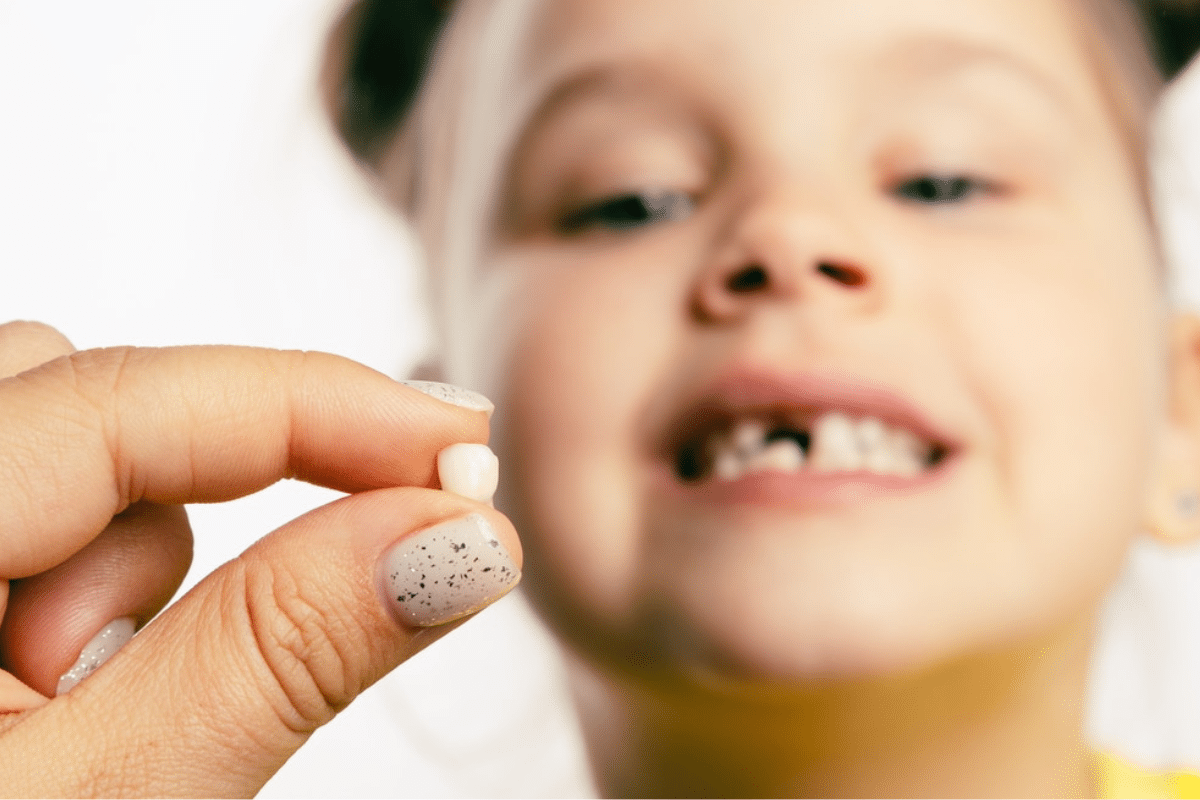
Children’s teeth are still developing, making them more vulnerable to cavities than adult teeth. Frequent snacking, sugary beverages, and inconsistent brushing habits give cavity-causing bacteria more opportunities to attack tooth enamel.
The good news is that parents don’t have to eliminate every sweet treat. Understanding which foods contribute to tooth decay and making a few simple changes at home can go a long way toward protecting growing smiles.
If you’re looking for practical advice about children’s oral health, this guide explains which foods deserve extra attention and how families can help reduce the risk of cavities.
Why Tooth Decay Is Common in Children
Tooth decay develops when bacteria naturally found in the mouth feed on sugars and starches left behind after eating. As these bacteria break down food particles, they produce acids that gradually weaken tooth enamel.
Because children often snack throughout the day, their teeth may be exposed to these acids more frequently than adults. Younger children are also still learning proper brushing and flossing techniques, allowing plaque to build up more easily.
Several factors can increase a child’s risk of cavities, including:
- Frequent sugary snacks
- Sticky foods that remain on teeth
- Sweetened beverages
- Poor brushing habits
- Skipping regular dental checkups
- Inadequate fluoride exposure
Quick Answer
The foods that cause tooth decay in children most often include sticky candy, sugary drinks, chips, crackers, dried fruit, cookies, and other foods high in sugar or refined starches. Eating these foods frequently without brushing afterward increases the risk of cavities.
11 Foods That Cause Tooth Decay in Children
1. Sticky Candy
Sticky candy is one of the biggest contributors to childhood cavities.
Foods like gummy bears, caramel, taffy, and chewy fruit snacks cling to the grooves of teeth long after they’re eaten. The longer sugar remains on teeth, the more time bacteria have to produce cavity-causing acids.
Even snacks labeled as “fruit snacks” may contain significant amounts of added sugar.
2. Juice Boxes and Sugary Drinks
Many parents are surprised to learn that fruit juice can sometimes be just as harmful to teeth as soft drinks.

Common beverages that may contribute to tooth decay include:
- Fruit juice
- Sports drinks
- Sweet tea
- Flavored milk
- Soda
- Energy drinks
Constant sipping throughout the day repeatedly exposes teeth to sugar and acid.
Water remains the healthiest beverage between meals.
3. Potato Chips
Although chips aren’t sweet, they’re rich in starches that quickly break down into sugars inside the mouth.
Small pieces of chips can also become trapped between teeth, allowing bacteria to feed on them long after snack time is over.
4. Crackers
Crackers are another food many parents don’t associate with cavities.
Because refined crackers break down into simple carbohydrates, they provide fuel for bacteria that produce acids responsible for tooth decay.
Cheese crackers and buttery snack crackers may be especially likely to stick between teeth.
5. Dried Fruit
Raisins, dried cranberries, apricots, and similar dried fruits are often viewed as nutritious snacks.
However, drying fruit concentrates its natural sugars while creating a sticky texture that easily adheres to teeth.
Fresh fruit is generally a better option because it contains more water and is less likely to remain on tooth surfaces.
6. Cookies and Pastries
Cookies, doughnuts, cakes, and pastries combine sugar with refined carbohydrates, making them particularly appealing to cavity-causing bacteria.
Eating these treats occasionally is perfectly reasonable, but frequent snacking throughout the day increases the amount of time acids remain on teeth.
If children enjoy dessert, it’s usually better to serve it with a meal rather than allowing them to snack on sweets over several hours.
Healthy Snack Alternatives for Growing Smiles
Choosing healthier snacks doesn’t mean children have to give up foods they enjoy. Replacing sugary or sticky snacks with more tooth-friendly options can help reduce the risk of cavities while still keeping kids satisfied.
Some healthier choices include:
- Cheese cubes
- Plain yogurt
- Apple slices
- Pears
- Carrot sticks
- Cucumbers
- Celery
- Unsalted nuts (for children who can safely eat them)
- Hard-boiled eggs
- Fresh strawberries
Many crunchy fruits and vegetables also help stimulate saliva production, which naturally washes away food particles and neutralizes acids in the mouth.
7. Flavored Yogurt with Added Sugar
Yogurt is often considered a healthy snack, but some flavored varieties contain surprisingly high amounts of added sugar. While yogurt provides calcium that supports strong teeth, excessive sugar can offset some of its benefits.
When possible, choose plain yogurt and add fresh fruit for natural sweetness.
8. Breakfast Cereals
Many breakfast cereals marketed to children are loaded with added sugars. They can also become sticky after being mixed with milk, allowing sugars to remain on teeth.
Reading nutrition labels and selecting lower-sugar cereals can help reduce your child’s cavity risk.
9. Ice Cream
Ice cream is a favorite treat for many children, but its combination of sugar and cream can contribute to tooth decay when eaten frequently.
Serving ice cream as an occasional dessert with a meal rather than as a separate snack may help reduce prolonged sugar exposure.
10. Sweet Baked Goods
Muffins, cupcakes, brownies, and pastries often contain both refined carbohydrates and added sugars. These ingredients feed the bacteria responsible for producing acids that weaken tooth enamel.
Limiting these treats to special occasions can help support healthier teeth.
11. Sweetened Breakfast Bars
Many granola bars and breakfast bars are promoted as convenient snacks for children. However, some contain sticky syrups, dried fruit, and added sugars that cling to teeth.
Choosing bars with less added sugar—or replacing them with fresh fruit, cheese, or yogurt—can be a healthier option.
Simple Ways to Help Prevent Cavities
While limiting sugary foods is helpful, healthy daily habits are equally important for protecting children’s teeth.
Brush Twice Every Day

Children should brush for two minutes each morning and before bedtime using fluoride toothpaste appropriate for their age. Younger children often need help from a parent to ensure every tooth is cleaned thoroughly.
Floss Once a Day
Food particles and plaque can collect between teeth where toothbrush bristles cannot reach. Daily flossing helps remove this buildup and reduces the risk of cavities between teeth.
Encourage Water Instead of Sugary Drinks
Water helps rinse away food particles and supports saliva production, which naturally protects tooth enamel.
Offering water throughout the day instead of juice or sports drinks can significantly reduce sugar exposure.
Limit Frequent Snacking
Every time a child eats, bacteria begin producing acids that attack tooth enamel. Allowing time between meals gives saliva a chance to neutralize these acids and protect the teeth.
Schedule Regular Dental Visits
Routine dental checkups allow your dentist to identify small concerns before they become larger problems. Preventive care also gives children an opportunity to build positive dental habits from an early age.
When Should Parents Be Concerned?
Early cavities may not always cause pain, making regular dental visits especially important.
Schedule a dental appointment if your child experiences:
- Tooth sensitivity
- White, brown, or dark spots on teeth
- Pain while chewing
- Persistent bad breath
- Swollen gums
- Toothaches that continue for more than a day
Prompt treatment often helps prevent more extensive dental care later.
Children’s Dental Care in Brighton, MI
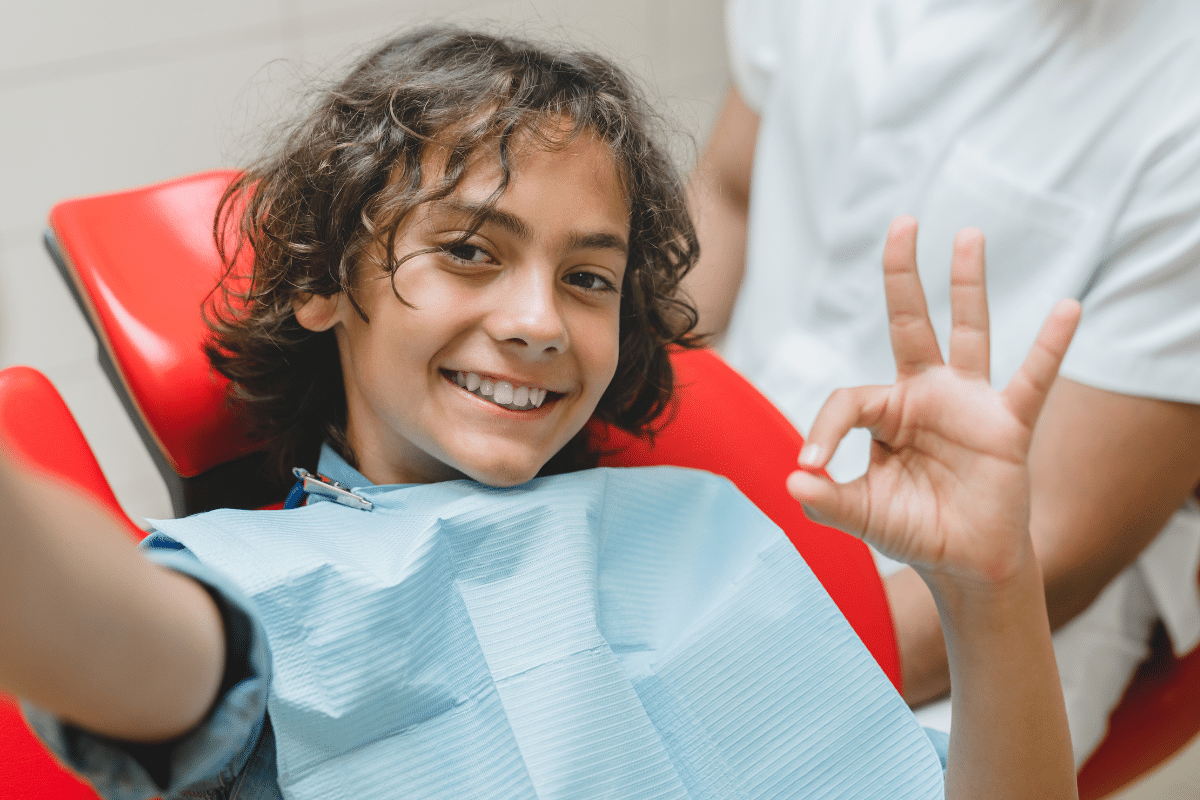
Healthy eating habits and regular dental visits work together to protect growing smiles. If your child is due for a checkup or you’re looking for guidance on cavity prevention, professional care can make a lasting difference.
At Brighton Healthy Smiles Family Dentistry, we provide compassionate dental care for children in a comfortable, family-friendly environment. From preventive exams and cleanings to education on healthy oral habits, our team is committed to helping children develop strong, healthy smiles that last a lifetime.
Learn more about our dentistry for children services and how we help families maintain healthy smiles through every stage of childhood.
The American Academy of Pediatric Dentistry (AAPD) also recommends establishing a dental home early and scheduling regular preventive visits to reduce the risk of cavities and support lifelong oral health.
Schedule Your Child’s Dental Visit
Healthy smiles begin with healthy habits. Choosing nutritious foods, encouraging daily brushing and flossing, and scheduling regular dental checkups can significantly reduce your child’s risk of tooth decay.
If you have questions about your child’s oral health or it’s time for their next dental visit, contact us today at (810) 227-6567 to schedule an appointment.
Frequently Asked Questions
1. What foods cause the most tooth decay in children?
Sticky candies, sugary drinks, fruit snacks, cookies, chips, crackers, and dried fruit are among the foods most commonly associated with childhood cavities because they provide sugar and starches that feed cavity-causing bacteria.
2. Are crackers bad for children’s teeth?
Although crackers don’t taste sweet, refined starches break down into sugars inside the mouth. Small pieces can also become trapped between teeth, increasing the risk of plaque buildup and tooth decay if good oral hygiene isn’t maintained.
3. Is fruit juice harmful to children’s teeth?
Fruit juice contains natural and sometimes added sugars, along with acids that can weaken enamel. Drinking juice occasionally with meals is generally better than sipping it throughout the day.
4. What snacks are healthier for children’s teeth?
Cheese, plain yogurt, apples, pears, carrots, cucumbers, celery, and other crunchy fruits and vegetables are excellent snack choices because they are lower in added sugar and help support oral health.
5. How often should children visit the dentist?
Most children should visit the dentist every six months for routine exams and professional cleanings. Your dentist may recommend more frequent visits depending on your child’s individual oral health needs.