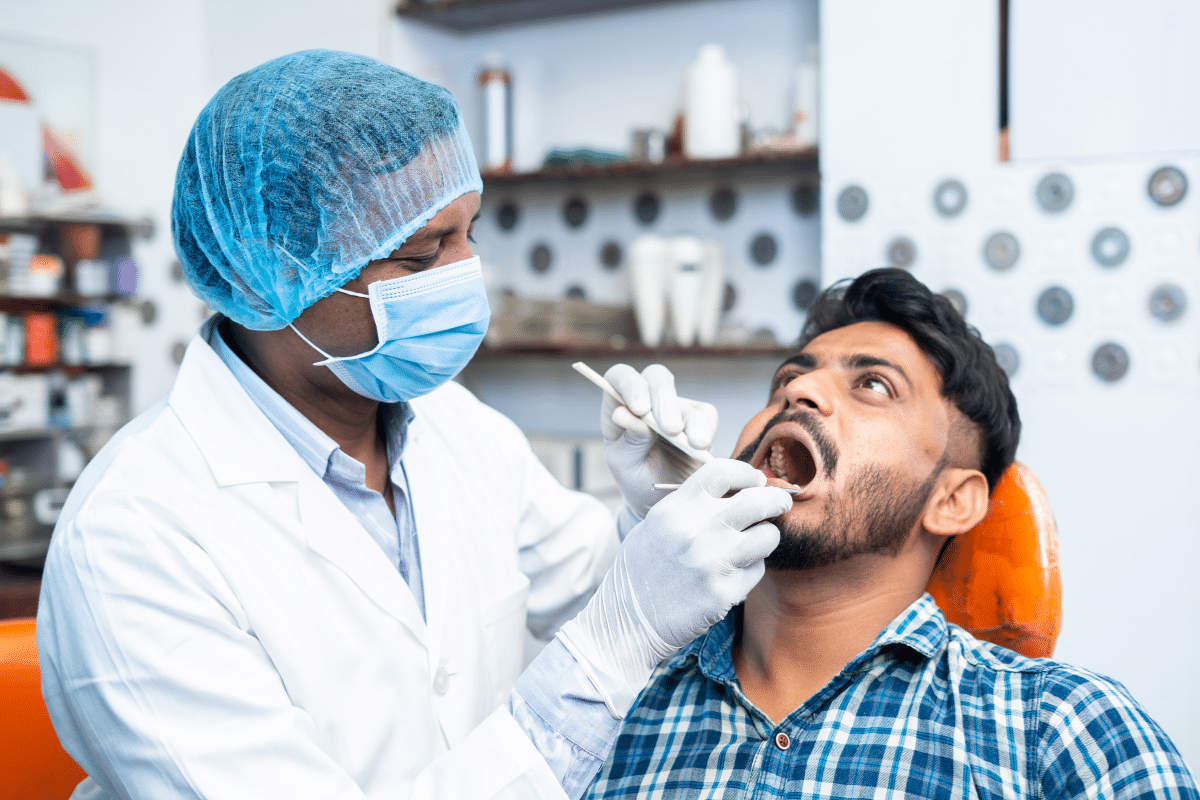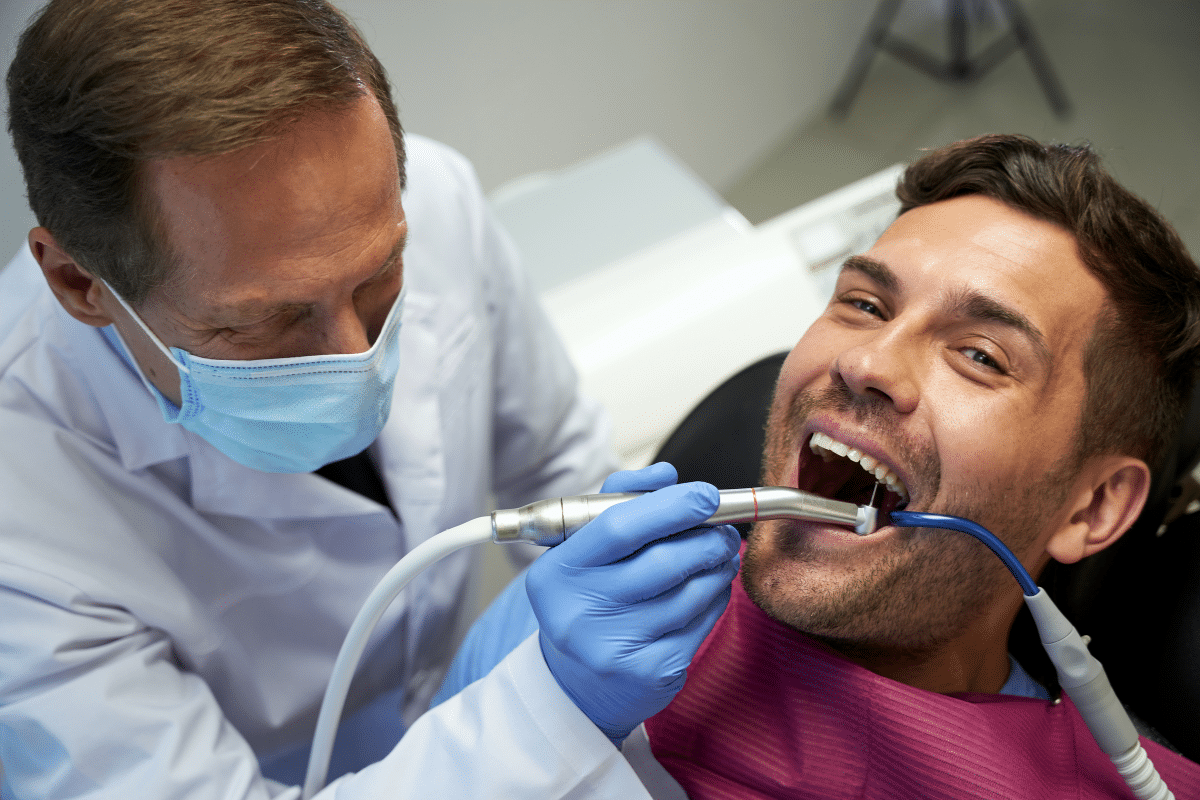

Busy family schedules often make it easy to postpone dental visits until there’s a problem. Between school, work, sports, and daily responsibilities, many people only think about the dentist when pain or discomfort appears.
But preventive dentistry works differently. Instead of waiting for cavities, gum disease, or tooth pain to develop, preventive care focuses on stopping problems early before they become more serious and expensive.
For many families across Michigan, routine dental care plays an important role in maintaining healthy smiles for both children and adults. If you live in Brighton or nearby communities, having a trusted local dental office can make regular care much easier to stay consistent with throughout the year.
At Brighton Healthy Smiles Family Dentistry, many patients ask what preventive dentistry actually includes and why it matters so much for long-term oral health.
What Is Preventive Dentistry?
Preventive dentistry focuses on protecting teeth and gums before major dental issues develop.
Rather than treating advanced problems later, preventive care helps identify concerns early while supporting healthier daily habits at home.
Preventive dental care often includes:
- Routine dental exams
- Professional cleanings
- Digital X-rays
- Fluoride treatments
- Sealants for children
- Gum health evaluations
- Oral cancer screenings
These visits allow dental professionals to monitor changes that patients may not notice on their own.
Why Preventive Dental Care Matters for Families
Good oral health affects much more than just appearance.
Untreated dental problems can impact:
- Eating and chewing
- Speech
- Sleep quality
- Self-confidence
- Overall comfort
- Long-term health
Preventive care helps reduce the risk of larger dental issues that may eventually require more complex treatment.
Many parents are also surprised to learn how quickly small cavities can develop in children without regular monitoring.
Early Detection Can Prevent Bigger Problems
One of the biggest benefits of preventive dentistry is catching issues early.
Small concerns like mild decay or early gum inflammation are often easier and less expensive to treat when identified quickly.
Without regular checkups, dental problems may continue worsening until symptoms become difficult to ignore.
Patients visiting a dentist in Brighton often discover that routine care helps prevent:
- Severe toothaches
- Broken teeth
- Advanced gum disease
- Infections
- Tooth loss
Early treatment can also reduce the likelihood of needing more invasive procedures later on.
Preventive Dentistry for Children
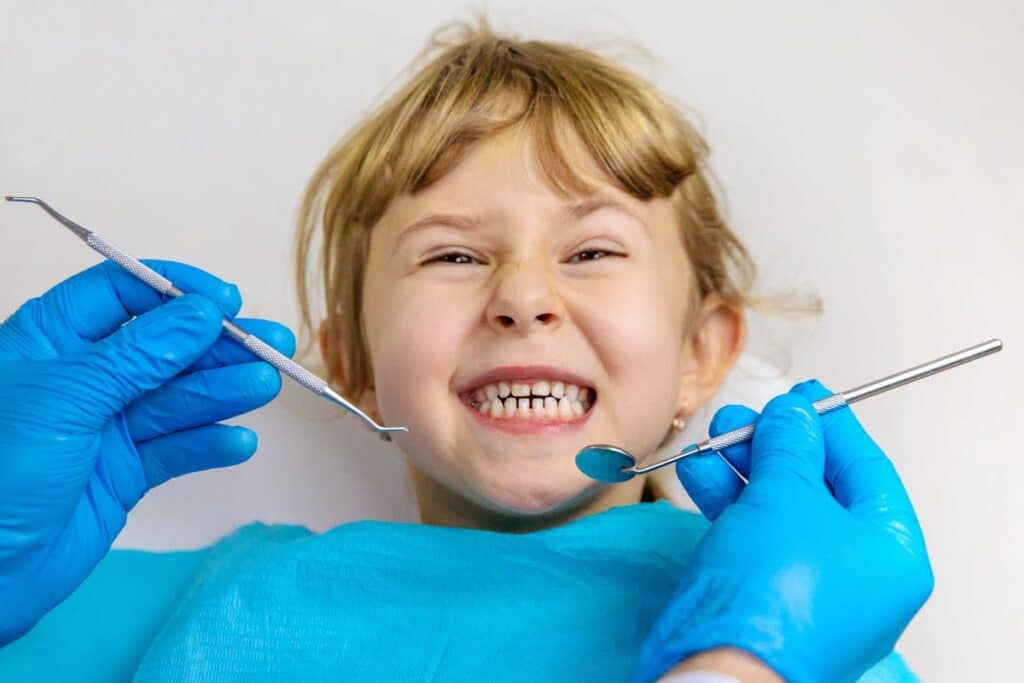
Children benefit greatly from preventive dental care because their teeth and oral habits are still developing.
Routine visits help:
- Monitor tooth development
- Identify bite concerns early
- Prevent cavities
- Encourage healthy brushing habits
- Reduce dental anxiety over time
Preventive care also gives parents guidance on nutrition, thumb sucking, fluoride use, and other common concerns that affect growing smiles.
If you live around Brighton, keeping children comfortable with regular dental visits early in life may help create healthier habits for years to come.
Why Adults Also Need Preventive Care
Many adults assume dental visits become less important if they are not experiencing pain. However, some oral health issues develop silently without obvious symptoms in the beginning.
Gum disease, enamel wear, cracked fillings, and early decay may all progress gradually over time.
Routine dental visits allow these issues to be monitored before they become more serious.
Many adults also experience seasonal dry mouth, stress-related grinding, or dietary habits that can affect oral health throughout the year.
The Role of Professional Dental Cleanings
Even with excellent brushing and flossing habits at home, plaque and tartar can still build up in hard-to-reach areas.
Professional cleanings help remove this buildup before it contributes to cavities or gum disease.
Regular cleanings may also help:
- Reduce staining
- Improve gum health
- Freshen breath
- Lower inflammation
- Support overall oral hygiene
Patients often say their teeth feel noticeably cleaner and smoother after routine preventive visits.
How Preventive Dentistry Can Save Money
Preventive care is usually far more affordable than treating advanced dental problems later.
For example:
- A small cavity is simpler to treat than a root canal
- Early gum treatment is less complex than advanced periodontal care
- Routine cleanings can help prevent expensive restorative procedures
Investing in preventive dentistry today may help reduce future dental costs significantly.
Healthy Habits Families Can Practice at Home
Preventive care does not stop at the dental office. Daily habits also play a major role in long-term oral health.
Families can help protect their smiles by:
- Brushing twice daily with fluoride toothpaste
- Flossing every day
- Drinking more water
- Limiting sugary snacks and drinks
- Replacing toothbrushes regularly
- Scheduling routine dental visits
Consistency is often more important than perfection when building healthy habits.
Final Thoughts
Preventive dentistry plays an important role in helping families maintain healthier smiles while reducing the risk of more serious dental problems later on.
Regular checkups, cleanings, and healthy habits at home can make a major difference for both children and adults over time.
If you live in Brighton or nearby Michigan communities and are looking for ongoing family dental care, We are here to help. To schedule an appointment, call (810) 227-6567 or visit our office at 10407 Grand River Ave STE 900, Brighton.
Frequently Asked Questions
How often should families visit the dentist?
Most patients benefit from dental visits every six months, although some individuals may require more frequent care depending on their oral health needs.
What age should children start seeing a dentist?
Children should generally visit the dentist by their first birthday or when their first tooth appears.
Is preventive dentistry only for children?
No. Preventive dentistry is important for both children and adults at every stage of life.
Can preventive care help avoid cavities?
Routine exams, cleanings, fluoride treatments, and healthy habits can significantly lower cavity risk.
Why are regular dental cleanings important?
Professional cleanings remove plaque and tartar buildup that brushing alone may not fully remove.