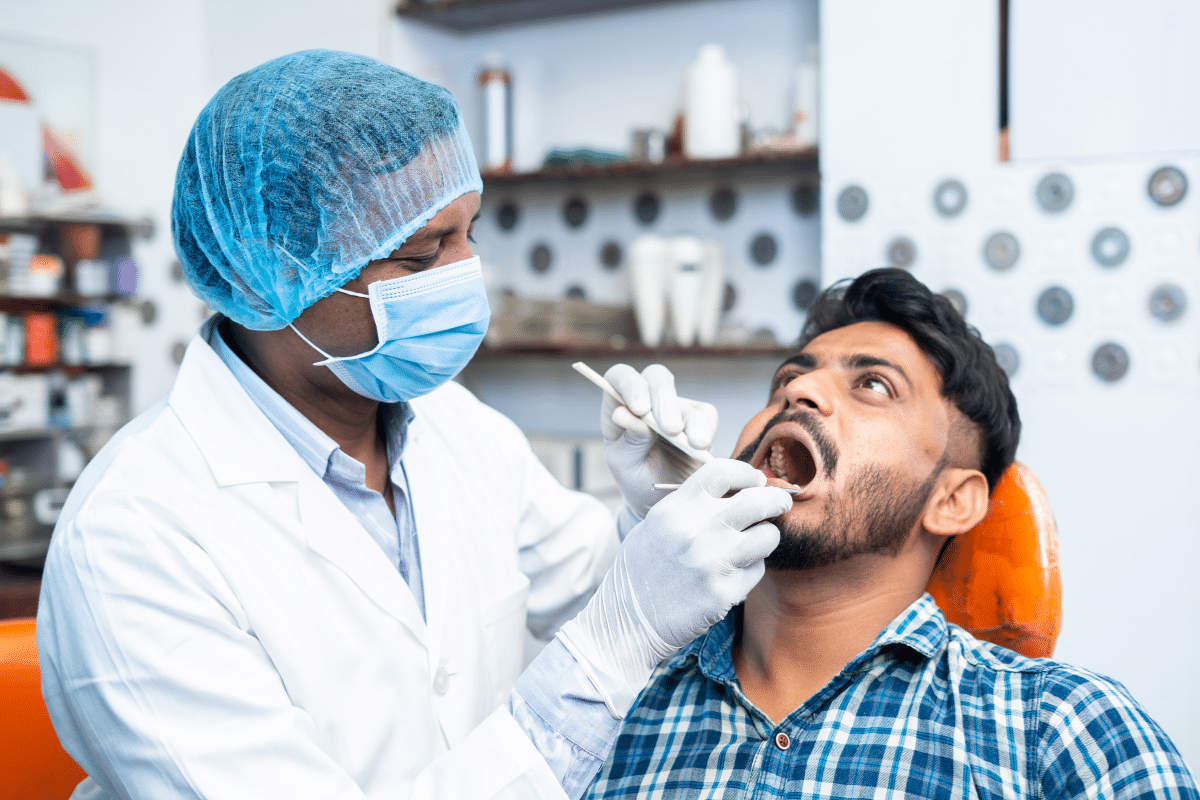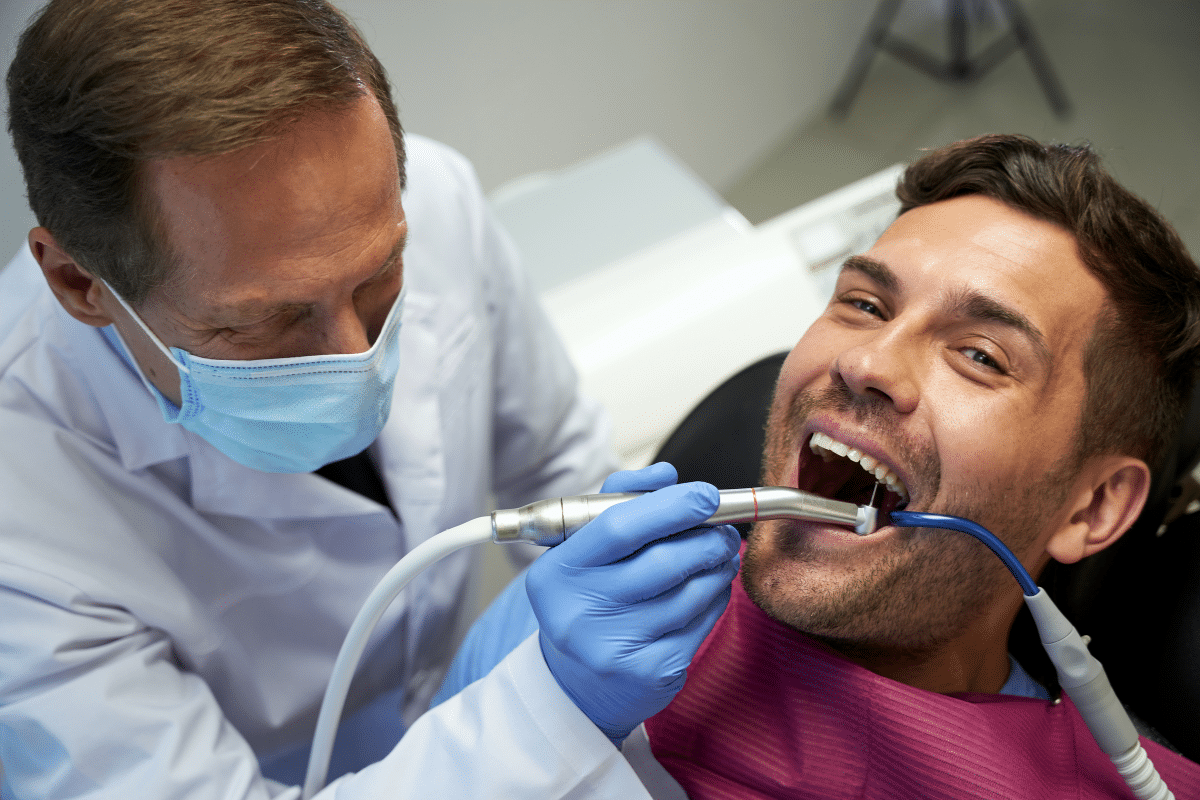
Many patients feel unsure about dental X-rays. This concern is common during routine visits. A trusted dentist explains the process in a clear way. Dental X-rays play a key role in early detection. They help protect your oral health over time.
Expert Insight from a Trusted Dentist

Dr. Jonathan M. Birchmeier shares simple guidance on routine care. He trained at the University of Michigan School of Dentistry. He also completed a residency at the University of Toledo Medical Center.
He focuses on safe and careful dental practices. He often helps patients understand dental X-rays in a calm way. His goal is to reduce worry and build trust.
He enjoys helping families improve their oral health habits. His approach stays simple and easy to follow.
Call now to connect with Dr. Birchmeier.
What Are Dental X-Rays and Why Do They Matter
Dental X-rays are images of your teeth and jaw. They show areas that a dentist cannot see during a normal exam.
These images help find cavities, bone loss, and hidden issues. A dentist uses them to plan proper care.
Dental X-rays also help track changes over time. This allows early treatment before problems grow.
Are Dental X-Rays Safe for Routine Care?
Dental X-rays are safe when used correctly. Modern systems use very low radiation levels.
A dentist follows strict safety rules during each visit. Protective tools like lead aprons add extra safety.
Dental X-rays today use digital methods. These reduce exposure even more. Regular visits remain safe for most patients.
How Often Should You Get Dental X-Rays?
The need for dental X-rays depends on your oral health. Some patients need them once a year. Others may need them less often.
Your dentist will review your history before suggesting imaging. This keeps exposure low while ensuring proper care.
Children and adults may have different needs. Dental X-rays helped monitor growth and changes in both groups.
Benefits of Dental X-Rays for Early Detection
Dental X-rays help find problems early. This includes cavities between teeth and infections.
A dentist can treat issues before they become painful. Early care also reduces treatment costs.
Dental X-rays also show bone health. This helps detect gum disease at an early stage.
What to Expect During the Process
The process is quick and simple. A small sensor is placed inside your mouth.
The dentist captures images within seconds. You may need to bite gently during the scan.
Dental X-rays do not cause pain. Most patients feel comfortable during the procedure.
Local Care That Focuses on Patient Comfort
At Brighton Healthy Smiles in Brighton, patient safety comes first. Many local families visit for routine checkups.
A dentist at the clinic uses modern tools for safe imaging. Dental X-rays are taken only when needed.
Busy schedules often delay dental visits. However, regular care helps avoid bigger issues. Local access makes it easier to stay on track.
When to Talk to a Dentist About X-Rays
You should ask questions if you feel unsure. The dentist will explain the need clearly.
Dental X-rays are part of preventive care. They help keep your smile healthy over time.
If you skip imaging, some problems may go unnoticed. Regular checkups help maintain balance.
Conclusion: Making Informed Choices for Your Oral Health
Dental X-rays support early detection and better care. The dentist ensures the process stays safe and simple. These images help prevent serious dental problems.
If you have concerns, speak with a professional. Schedule a consultation with Brighton Healthy Smiles to discuss your needs. You can also contact our Brighton Healthy Smiles office for guidance and support.
Frequently Asked Questions
Do dental X-rays expose you to high radiation?
No, modern systems use very low radiation levels. The exposure is minimal and safe for routine care.
Are dental X-rays needed at every visit?
No, they are taken only when necessary. The timing depends on your oral health and history.
Can children safely get dental X-rays?
Yes, children can safely receive them when needed. Dentists use extra care to limit exposure.
Do dental X-rays hurt?
No, the process is painless. You may feel slight pressure from the sensor, but it is brief.
Why are dental X-rays important for early care?
They help detect hidden issues like cavities and infections. Early detection prevents bigger problems.
Can I skip dental X-rays if I feel fine?
Skipping them may miss hidden issues. Regular imaging helps maintain long-term oral health.