
Tooth decay at the gum line, also known as gumline cavities or root-surface decay, can be tricky to spot and even trickier to treat. Many patients notice a dark line near the gums and wonder if it’s just a stain or a serious cavity. Understanding the difference is crucial: surface stains are cosmetic, but untreated gumline cavities can lead to sensitivity at the gumline, further enamel wear, and even tooth loss.
At Brighton Healthy Smiles, our experienced dentist in Brighton, Michigan, Dr. Birchmeier, helps patients maintain healthy teeth and gums through preventive dentistry, early detection, and personalized treatments for sensitive teeth.
Stain vs Gumline Cavity: How to Tell the Difference
Stains at the gumline often appear from foods and drinks such as coffee, tea, wine, and dark berries. They are smooth and uniform and can usually be removed with professional cleaning or teeth whitening.
Gumline cavities, on the other hand, appear as rough or soft spots where the tooth meets the gum. You might notice:
- Sensitivity to hot, cold, or sweet foods
- A visible notch or rough texture at the gumline
- A dark line that doesn’t polish away
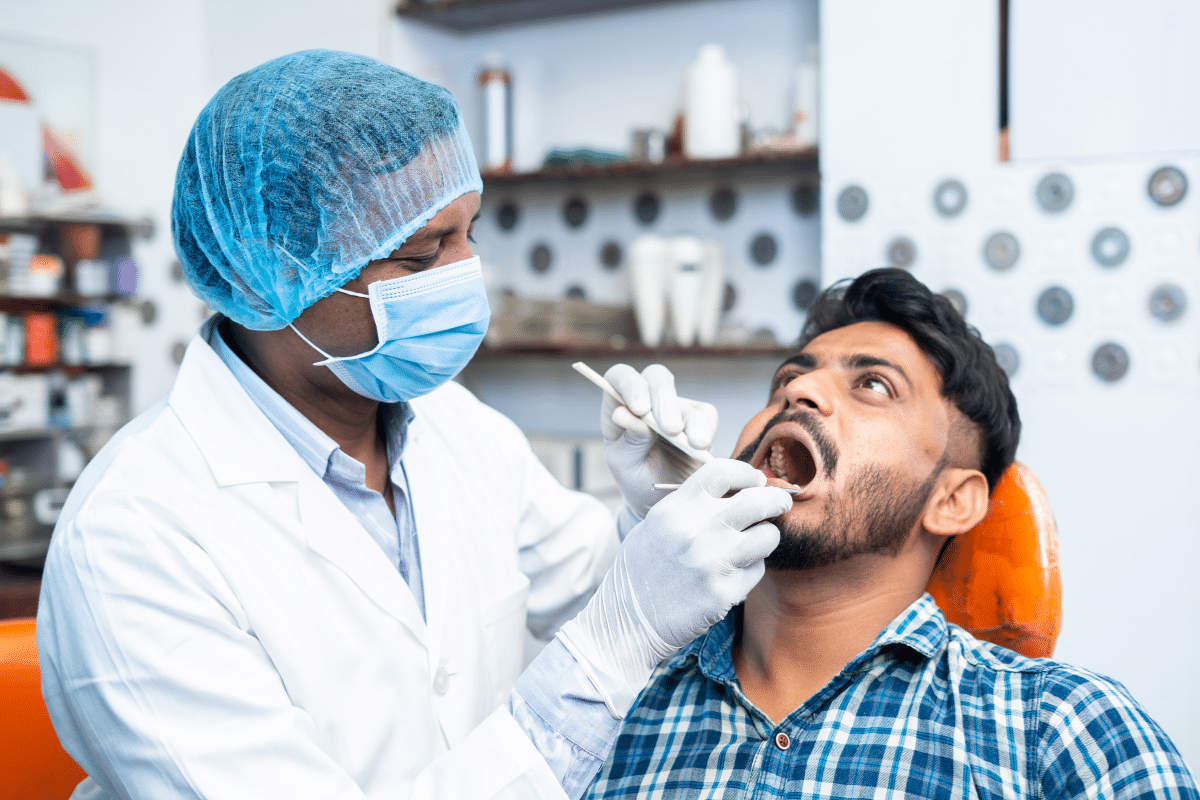
If you’re unsure, a dentist at Brighton Healthy Smiles can perform a thorough dental exam for cavities to differentiate between stains and root decay. Early detection by a skilled dentist is key to preventing progression and protecting your smile.
Why Gumline Cavities Happen
Several factors contribute to tooth decay at the gum line:
- Plaque & tartar buildup: Bacteria accumulate near the gums, eroding enamel and exposing softer root surfaces.
- Gum recession: Exposed roots are more vulnerable to cavities.
- Dry mouth: Reduced saliva limits natural protection against acids and bacteria.
- Acidic foods/drinks: Frequent consumption of soda, citrus juices, or sports drinks increases enamel wear.
- Bruxism: Grinding or clenching teeth wears down enamel near the gumline.
Addressing these risk factors early can save your teeth and prevent pain or more invasive treatments.
How Brighton Healthy Smiles Treats Gumline Cavities
At Brighton Healthy Smiles, we provide a range of solutions for root-surface decay, customized to your dental needs.
1. Early Decay: Fluoride & Remineralization
- Professional fluoride treatments for tooth decay strengthen enamel and can reverse early gumline cavities.
- Products like fluoride mouthrinse or hydroxyapatite treatments help rebuild weakened tooth structure.
- Improved oral hygiene tips ensure lasting results, including proper brushing and flossing at the gumline.
2. Moderate Decay: Composite Fillings
- Composite fillings seal the cavity and restore function.
- They are tooth-colored for a natural appearance and prevent bacteria from entering the affected area.
- Gentle techniques ensure comfort for sensitive teeth.
3. Advanced Decay: Gingival Access Procedures
- For decay that extends below the gumline, we perform gingival access procedures to thoroughly clean and restore the tooth.
- Adjunct treatments such as night guards for bruxism or saliva substitutes for dry mouth support long-term oral health.
Preventive Steps for Gumline Health
You can help prevent gumline cavities at home with a few practical steps:
- Use a soft-bristled toothbrush with gentle pressure at a 45° angle to the gumline.
- Brush for two minutes, twice daily, and floss daily.
- Limit acidic foods and drinks, or rinse with water after consumption.
- Consider night guards if you grind your teeth.
- Maintain hydration to prevent dry mouth.
- Schedule regular dental exams and cleanings every 6 months.
Patient Testimonial
“It was just a routine cleaning visit but everything was great. Erin, the hygienist did an excellent job on the cleaning , Dr Birchmeier who’s done a lot of work getting my teeth back in shape is the best and the ladies at the front desk couldn’t have been nicer . The people that work here are friendly and professional so if you’re looking for a dentist, highly recommend them.”
Why Choose Brighton Healthy Smiles
Residents of Brighton trust our dental clinic for:
- Patient-first care for adults and children
- Expertise in sensitive teeth and gumline decay
- Comfortable, modern clinic environment
- Personalized preventive strategies
- Board-certified dental professionals committed to community health
We combine gentle dentistry with proven techniques for lasting results.
Frequently Asked Questions
How do I know if the dark line at my gumline is a cavity or just a stain?
A dark line near the gumline could be either a cosmetic stain or a gumline cavity. Stains are usually smooth, uniform, and polish off easily during professional cleanings. Gumline cavities are rough, sensitive, and may catch on floss. Only a dentist can confirm with a dental exam for cavities and targeted X-rays. Early detection is important because root decay progresses faster than enamel decay.
Can fluoride reverse a gumline cavity?
Fluoride strengthens enamel and can remineralize early decay. In cases of root-surface decay, professional fluoride treatments, fluoride toothpaste, and mouthrinses can sometimes reverse very early lesions. Once the cavity has formed a noticeable notch or soft spot, restorative treatment such as a composite filling is necessary.
Why do my teeth feel sensitive near the gums?
Sensitivity at the gumline often results from enamel wear, root exposure due to gum recession, or early decay. Acidic foods/drinks, overbrushing, or grinding can exacerbate the issue. Professional evaluation ensures proper treatment before cavities worsen.
What is a gingival access procedure?
When decay extends below the gumline, a gingival access procedure allows your dentist to remove bacteria and restore the tooth effectively. This procedure prevents further root decay and preserves tooth structure. It is usually combined with composite restorations and preventive measures.
Do whitening treatments fix gumline cavities?
No. Teeth whitening only addresses tooth discoloration. It cannot repair cavities or reverse root-surface decay. Whitening is safe once the decay is treated and enamel is healthy.
Can bruxism cause gumline decay?
Yes. Bruxism (teeth grinding) increases enamel wear near the gumline, making teeth more vulnerable to cavities. A custom night guard can reduce wear and protect sensitive teeth.
How often should I schedule dental exams for gumline health?
Regular checkups every 6 months are ideal. If you have risk factors like dry mouth, acidic diet, gum recession, or sensitivity at the gumline, your dentist may recommend more frequent visits to monitor for early gumline cavities.