
Wisdom teeth often appear in the late teens or early twenties. However, problems can start even earlier. An early stage wisdom tooth infection may feel mild at first, but it can quickly worsen if ignored. Therefore, recognizing symptoms early and knowing what to do can protect your oral health and prevent complications.
If you’re searching for guidance from a dentist in Brighton, this in-depth guide explains the warning signs, treatment options, and recovery tips—plus when Wisdom Teeth Removal may be the best solution.
What Is an Early Stage Wisdom Tooth Infection?
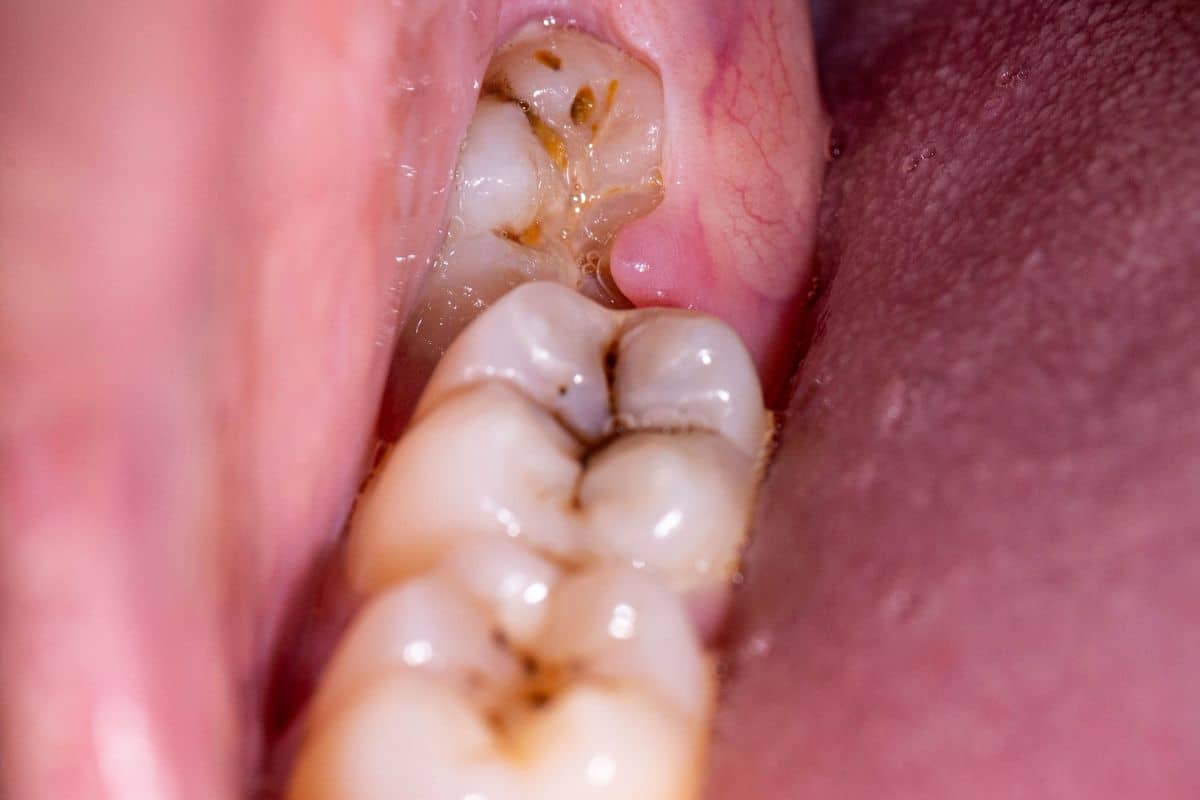
An early stage wisdom tooth infection happens when bacteria get trapped around a partially erupted wisdom tooth. Because these teeth often emerge at awkward angles, food particles and plaque build up easily. As a result, inflammation and infection can develop under the gum flap.
At this stage, symptoms may be manageable. However, without treatment, the infection can spread to nearby teeth, gums, or even the jaw.
Why Wisdom Teeth Prone to Infection?
Wisdom teeth are more likely to cause trouble for several reasons:
- They erupt partially, creating hard-to-clean spaces
- They often come in crooked or impacted
- They sit far back in the mouth, making oral care difficult
Therefore, even people with good oral hygiene may experience issues. In addition, limited jaw space increases the risk of swelling and bacterial growth.
Early Warning Signs You Shouldn’t Ignore
Recognizing symptoms early allows for faster treatment. In many cases, early care prevents surgery. Watch for these signs:
Common Symptoms of Early Infection
- Red or swollen gums near the wisdom tooth
- Mild but persistent jaw pain
- Bad breath or unpleasant taste
- Gum tenderness when chewing
- Slight swelling in the cheek
However, symptoms don’t always appear all at once. For example, discomfort may come and go before becoming constant.
What Happens If the Infection Is Left Untreated?
If ignored, an early stage infection can worsen quickly. Therefore, prompt care matters.
Possible complications include:
- Severe pain and facial swelling
- Abscess formation
- Difficulty opening your mouth
- Spread of infection to surrounding bone
As a result, what starts as mild irritation may lead to urgent dental treatment.
How Dentists Diagnose Wisdom Tooth Infections
A Dentist will begin with a visual exam. Then, they may take X-rays to check tooth position and gum health. This helps determine whether the infection is minor or if Wisdom Teeth Removal in Brighton is recommended.
Early diagnosis allows for simpler treatment. Therefore, don’t wait if symptoms appear.
Treatment Options for Early Stage Wisdom Tooth Infection
Treatment depends on severity. Fortunately, early-stage infections often respond well to conservative care.
Non-Surgical Treatments
- Professional cleaning around the tooth
- Antibacterial mouth rinses
- Antibiotics, if needed
- Pain relief and inflammation control
However, if the tooth continues to cause problems, removal may be the best long-term solution.
When Wisdom Teeth Removal Becomes Necessary
Sometimes, treating the infection isn’t enough. If the tooth keeps trapping bacteria, extraction prevents future issues. Wisdom Teeth Removal is commonly recommended when:
- Infections recur frequently
- The tooth is impacted
- Gum tissue remains chronically inflamed
Therefore, removal can protect both your comfort and overall oral health.
Preparing for Wisdom Teeth Removal
If extraction is planned, preparation matters. Your dentist will explain the procedure and answer questions. In addition, they’ll share instructions to reduce complications.
Preparation tips include:
- Arranging transportation
- Stocking soft foods
- Planning time for rest
As a result, recovery becomes smoother and less stressful.
Wisdom Teeth Removal Aftercare: What to Expect
Proper wisdom teeth removal aftercare supports faster healing. The first 24–72 hours are critical.
Key Aftercare Guidelines
- Rest and limit activity
- Use cold compresses for swelling
- Take prescribed medications as directed
In addition, follow all instructions from your dentist to avoid setbacks.
Post Wisdom Teeth Extraction Care: Do’s and Don’ts
Knowing what to do—and what not to do—helps prevent complications like dry socket.
What to Do
- Keep the area clean
- Eat soft, cool foods
- Stay hydrated
What Not to Do
- Avoid smoking or vaping
- Don’t use straws
- Avoid touching the extraction site
Therefore, careful habits promote proper healing.
Wisdom Teeth Recovery Tips for Faster Healing
Recovery varies, but most people feel better within days. Still, smart choices make a difference.
Helpful wisdom teeth recovery tips include:
- Sleeping with your head elevated
- Rinsing gently with salt water after 24 hours
- Avoiding crunchy or spicy foods
As a result, swelling and discomfort often subside faster.
Oral Care After Wisdom Tooth Extraction
Maintaining oral hygiene is important, but timing matters.
- Brush your other teeth gently on day one
- Avoid the extraction site initially
- Resume careful brushing after 24 hours
Therefore, good oral care after wisdom tooth extraction prevents infection without disturbing healing tissue.
Healing After Wisdom Teeth Removal: Timeline
Healing doesn’t happen overnight. But knowing what’s normal helps you stay calm.
- Days 1–3: Swelling and mild pain
- Days 4–7: Improvement begins
- Weeks 2–3: Gum tissue heals
In most cases, full healing after wisdom teeth removal occurs within a few weeks.
FAQs: Wisdom Teeth Infection & Recovery
How do you care for your mouth after wisdom teeth removal?
Keep your mouth clean but gentle. Brush carefully, avoid the extraction site at first, and rinse with salt water after 24 hours. In addition, avoid smoking and follow all aftercare instructions to reduce infection risk.
How long does it take to heal after wisdom teeth removal?
Most people feel significantly better within 7–10 days. However, complete healing of the gums may take a few weeks. Following recovery instructions helps speed up the process.
What can I eat after wisdom teeth extraction?
Stick to soft foods like yogurt, mashed potatoes, smoothies, and soup. Avoid crunchy, spicy, or hot foods. As healing progresses, you can slowly reintroduce normal foods.
How do you prevent dry socket after wisdom teeth removal?
Avoid smoking, using straws, or vigorous rinsing for several days. Follow aftercare instructions carefully and keep the area clean to protect the blood clot.
Dos and don’ts after wisdom teeth surgery?
Rest, hydrate, and eat soft foods. Don’t smoke, use straws, or touch the extraction site. These habits help prevent pain and complications.
When can I brush my teeth after wisdom teeth removal?
You can brush your other teeth the same day, but avoid the extraction site. After 24 hours, gently clean the area without disturbing the healing tissue.
Best oral hygiene routine after wisdom teeth extraction?
Brush twice daily, floss carefully, and rinse gently with salt water. In addition, attend follow-up visits if recommended to ensure proper healing.
Don’t Ignore Early Warning Signs
An early stage wisdom tooth infection may seem minor. But timely care makes a big difference. Whether treatment involves cleaning, medication, or Wisdom Teeth Removal in Brighton, acting early protects your smile and comfort.
Ready for Expert Care in Brighton?
If you’re experiencing wisdom tooth pain or signs of infection, Brighton Healthy Smiles is here to help. Our experienced team provides compassionate care, clear guidance, and personalized treatment options. Conveniently located in Brighton, we make it easy to take the next step toward relief. Schedule your consultation today and let Brighton Healthy Smiles support your oral health with confidence and care.
