Getting dental implants is a big step toward restoring your smile and oral function. However, what you eat after the procedure can significantly impact how well and how quickly you heal. Choosing the right post-implant diet not only helps reduce discomfort but also prevents complications during recovery. If you’re wondering what to eat after dental implant surgery, this guide will walk you through everything—from the first 24 hours to the days that follow—so you can heal comfortably and confidently.
Why Your Diet Matters After Dental Implant Surgery
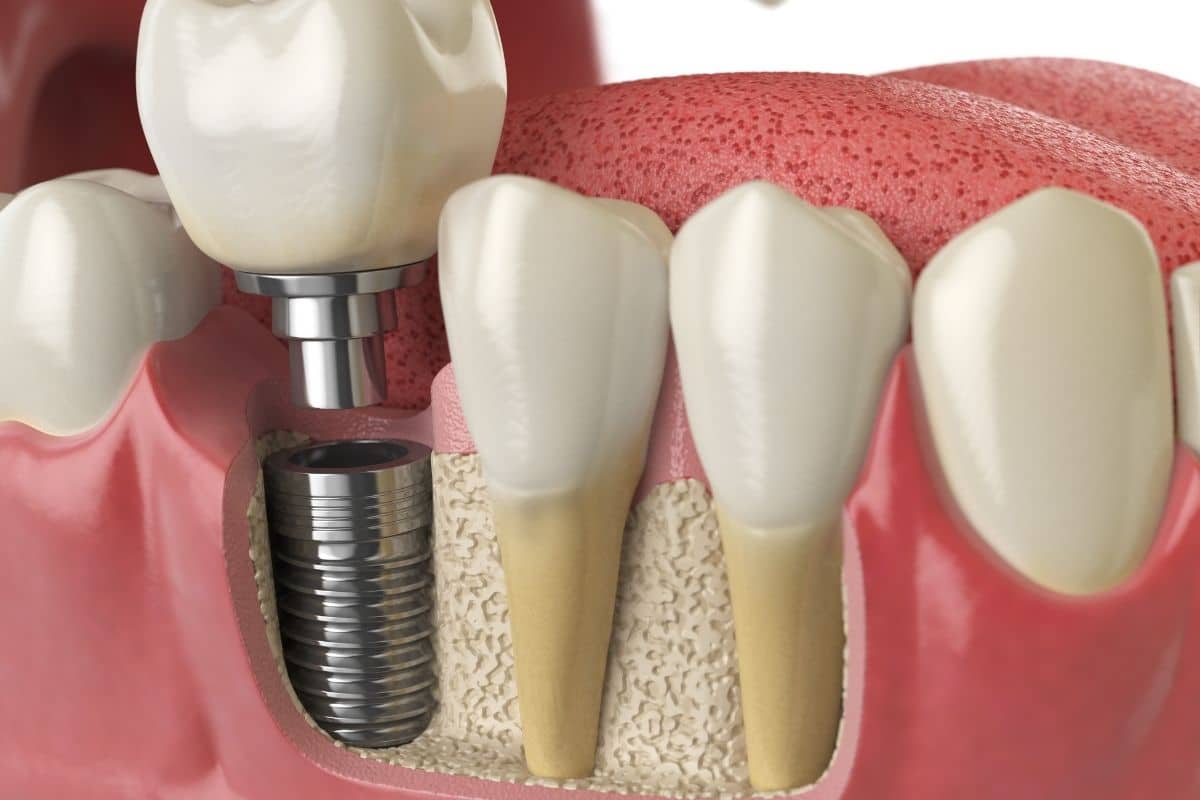
After your dental implant surgery, your gums and jawbone need time to recover. The implant site is delicate during the early healing phase, so hard, crunchy, or sticky foods can interfere with recovery or even dislodge the implant.
A soft, nutrient-rich diet supports:
- Faster tissue healing
- Reduced inflammation and discomfort
- Improved immune function
- Stable blood sugar levels for steady energy
By following a well-planned diet after dental implant surgery, you’ll help your body focus its energy on healing—without unnecessary irritation or infection risk.
What to Eat in the First 24 Hours
The first day after implant surgery is critical. You’ll likely experience some tenderness, swelling, and sensitivity, so you need foods that are soft, cool, and easy to chew.
Recommended foods for the first 24 hours:
- Smoothies and protein shakes (avoid straws to prevent dry socket)
- Applesauce and yogurt
- Mashed potatoes or sweet potatoes
- Broth-based soups (not too hot)
- Pudding, custard, or gelatin desserts
Avoid anything too hot, spicy, or crunchy during this time. Stick to liquids and very soft foods that require minimal chewing.
Soft Foods for the First Week
After the initial 24 hours, you can start introducing more soft foods into your diet. You’ll still want to avoid chewing near the implant site, but you can enjoy a greater variety of textures.
Best options for eating after dental implants:
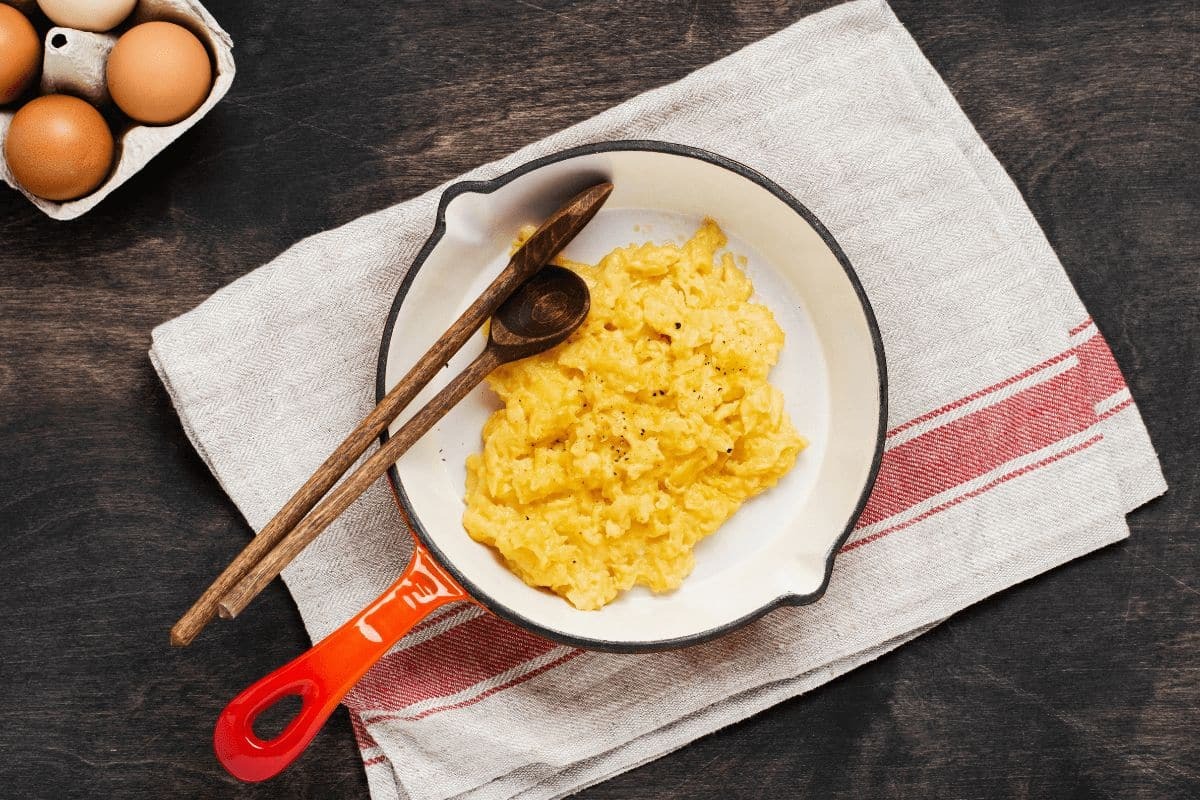
- Scrambled eggs or omelets
- Oatmeal or cream of wheat
- Soft pasta, noodles, or rice
- Cooked vegetables (carrots, squash, spinach)
- Soft fruits like bananas, peaches, or avocados
- Cottage cheese and soft cheeses
- Fish, such as salmon or tilapia
These foods are easy on your mouth while giving your body essential nutrients like protein, vitamins, and minerals for recovery.
The Ideal Post-Dental Implant Diet for Healing
Once you feel more comfortable—typically a week or two after surgery—you can gradually expand your menu. The key is to continue focusing on nutrition while avoiding foods that could harm the implant site.
Key nutrients to prioritize:
- Protein for tissue repair (chicken, eggs, beans, tofu)
- Vitamin C to boost healing and immunity (oranges, strawberries, bell peppers)
- Calcium and Vitamin D for strong bone integration (milk, cheese, yogurt, fortified foods)
- Zinc to support wound healing (seafood, nuts, seeds)
You can slowly reintroduce firmer foods as your dentist recommends, but take it slow. Remember, your post-dental implant diet should continue to support healing even weeks after the procedure.
Foods to Avoid After Dental Implant Surgery
Some foods can delay healing, irritate the gums, or even loosen your implant. To protect your new smile, steer clear of:
- Hard or crunchy foods (nuts, chips, raw carrots)
- Sticky foods (caramel, chewing gum)
- Acidic or spicy dishes that may irritate gums
- Alcohol and carbonated drinks
- Extremely hot foods or beverages
Following these guidelines ensures that your implant has the best possible chance of integrating properly with your jawbone.
Tips for a Smooth Recovery
Besides following the right diet, here are a few additional tips to ensure a smooth recovery:
- Stay hydrated—drink plenty of water throughout the day.
- Avoid straws—the suction can disrupt healing.
- Eat smaller, frequent meals to maintain steady energy.
- Maintain oral hygiene gently around the surgical site.
- Follow your dentist’s aftercare instructions carefully.
Your comfort and healing progress will improve significantly when these habits are paired with a mindful eating routine.
When Can You Resume a Normal Diet?
Most patients can start eating more solid foods about two to three weeks after surgery, depending on how well they heal. Your dentist will guide you on when it’s safe to chew normally. Be patient—rushing back to a regular diet too soon can slow recovery or compromise your results.
FAQs About Eating After Dental Implants
What can I eat after dental implant surgery?
Stick to soft foods like soups, mashed potatoes, yogurt, and smoothies in the first few days. Gradually add foods like eggs, pasta, and fish as you heal.
How long should I follow a soft diet after implant surgery?
Typically, patients follow a soft diet for 7–14 days. However, recovery time can vary depending on how many implants were placed and individual healing rates.
Can I drink coffee after dental implant surgery?
It’s best to avoid hot coffee for at least 24–48 hours post-surgery to prevent irritation and bleeding. You can switch to iced or lukewarm coffee if needed.
What foods help dental implants heal faster?
Protein-rich foods like eggs, yogurt, and fish promote healing. Include vitamin C–rich foods and calcium sources to strengthen gums and bone.
Can I eat bread after dental implant surgery?
Soft bread is fine after a few days, but avoid crusty or chewy bread that can strain your implant site.
Is it okay to eat spicy food after dental implants?
Spicy foods can irritate healing gums. It’s best to avoid them until your dentist gives the go-ahead.
What’s the best long-term diet for dental implants?
A balanced diet rich in whole grains, lean proteins, fruits, and vegetables supports oral health and helps maintain your implants for years to come.
Nourish Your Smile the Right Way
Recovery after dental implant surgery depends as much on your eating habits as on your dental care routine. By following a soft, nutrient-rich diet after dental implant surgery, you’re giving your body the best support for a successful and comfortable recovery.
At our dental office, we’re here to ensure your smile restoration journey is as smooth and effective as possible. With the right care, attention, and diet, your dental implants can last a lifetime—helping you eat, speak, and smile with total confidence again.