Dental implants have become the gold standard for replacing missing teeth. They look, feel, and function like natural teeth and are considered a long-term solution. But one of the most common questions patients ask is: “How long do dental implants really last?” If you’re considering dental implants, it’s important to understand the facts about their lifespan, what impacts their durability, and how to make your investment last as long as possible.
What’s the Average Lifespan of Dental Implants?
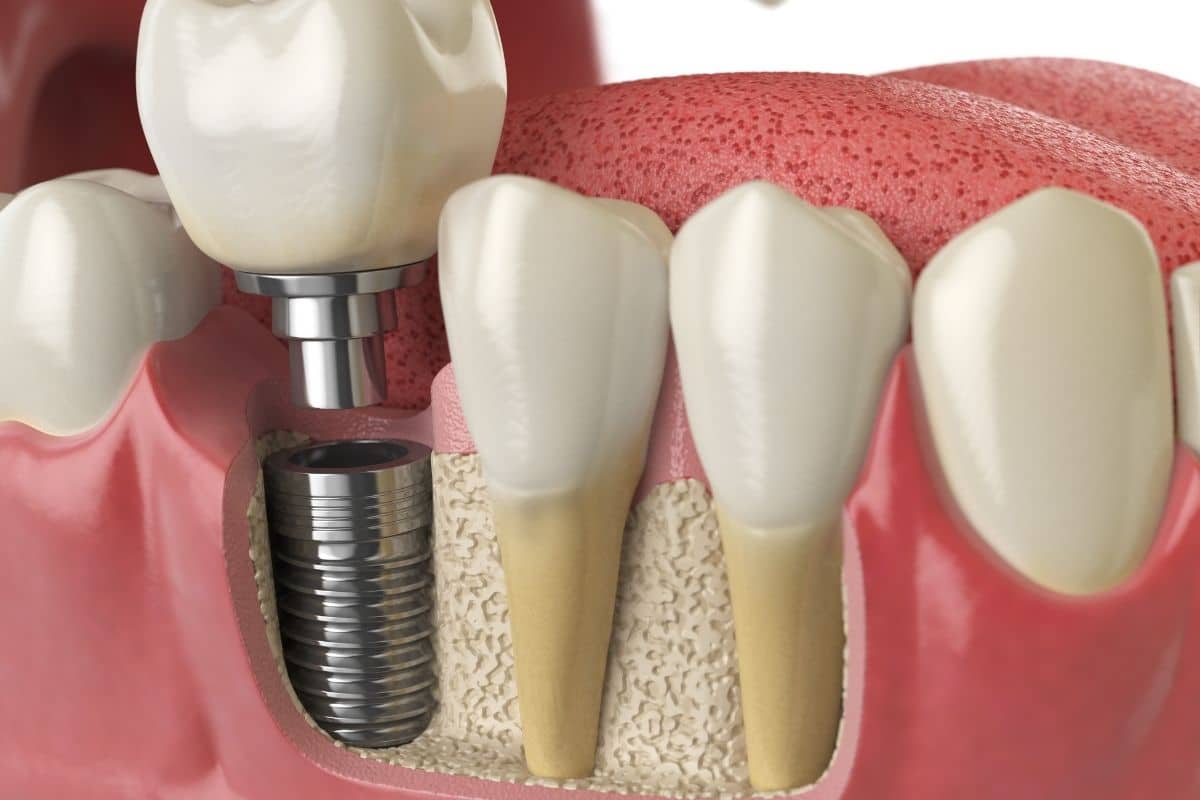
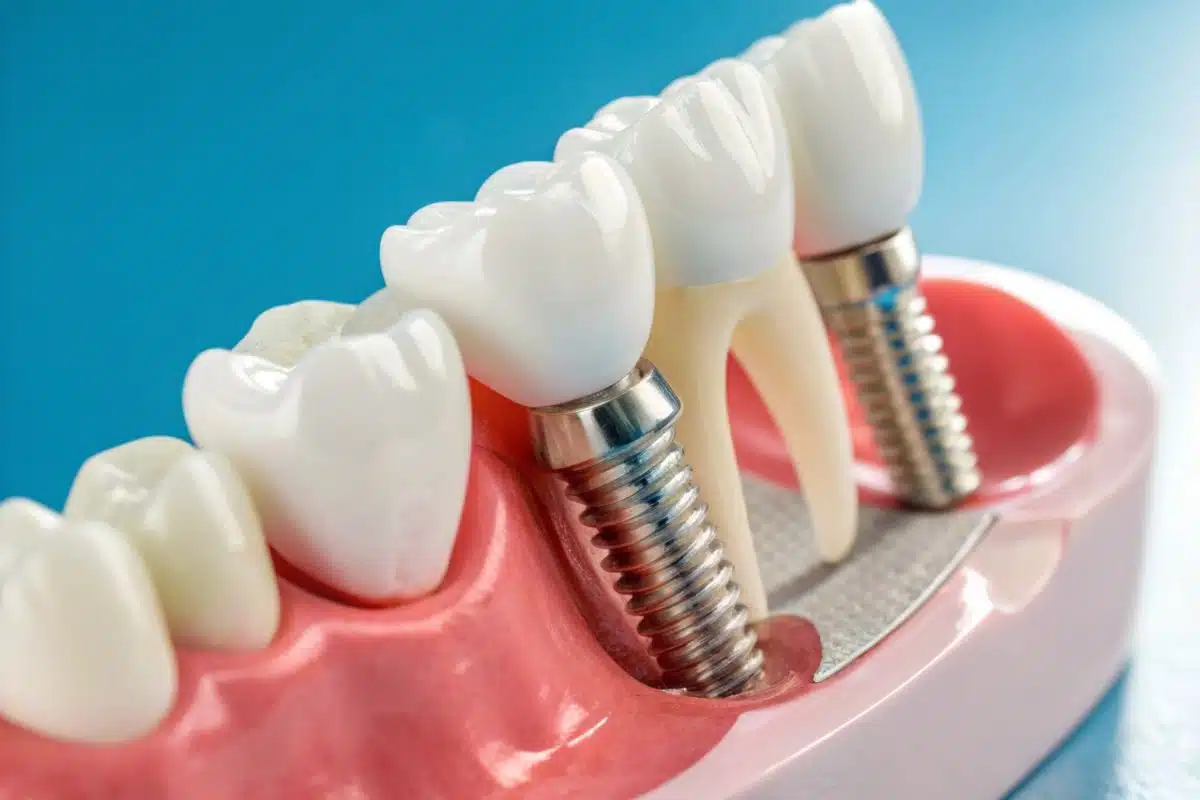
On average, dental implants can last 20 years or more, with many lasting a lifetime when properly cared for. The titanium post that is surgically placed into the jawbone is highly durable and biocompatible, meaning your body accepts it well. In fact, studies show that the life expectancy of dental implants can exceed 25 years in many cases.
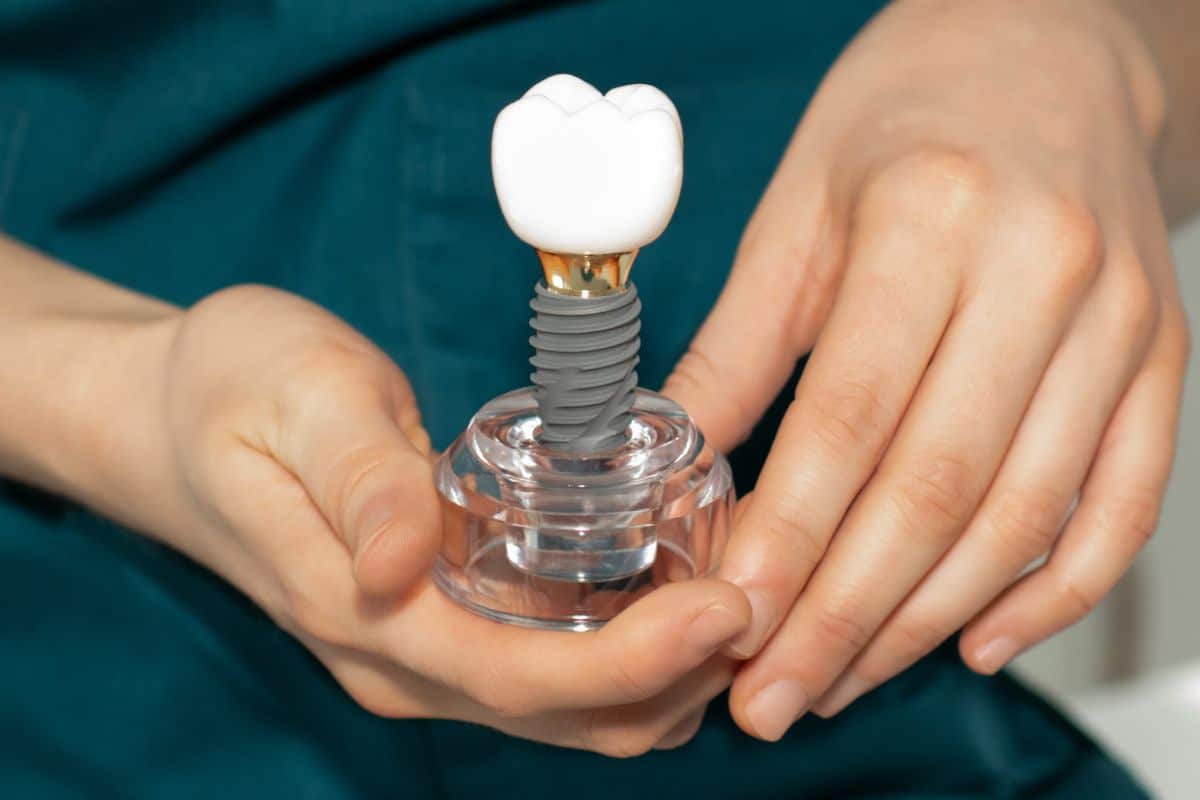
However, while the implant itself can last for decades, the dental crown (the visible part) may need replacement every 10–15 years due to wear and tear.
Quick Facts:
- Implant post: 20+ years to lifetime
- Dental crown: May need replacing after 10–15 years
- Success rate: Over 95% when placed by a qualified dentist
Factors That Affect How Long Dental Implants Last
Not all implants last the same amount of time. Several factors play a role in determining how long your dental implants usually last, including:
1. Oral Hygiene Habits
Good oral hygiene is key to the longevity of your implants. Daily brushing, flossing, and regular dental check-ups can significantly extend the dental implant lifespan.
2. Lifestyle Choices
Smoking, heavy alcohol consumption, or poor nutrition can compromise your implant’s success. Smoking, in particular, restricts blood flow to the gums, which may lead to implant failure.
3. Gum and Bone Health
Implants rely on healthy gums and strong jawbones for support. Conditions like periodontal disease or bone loss can reduce the chances of long-term success.
4. Teeth Grinding (Bruxism)
Frequent grinding or clenching can put excessive pressure on the implant and crown, potentially reducing their lifespan.
5. Placement and Dentist Experience
Getting your dental implants from an experienced dental team like Brighton Healthy Smiles can make a big difference. Accurate placement ensures the implant integrates well with your jawbone and stays secure for decades.
How to Maximize the Lifespan of Your Dental Implants
Although implants are built to last, a little care goes a long way in protecting your investment. Here’s how you can help your teeth implants last for the long haul:
- Brush twice a day with a soft-bristled toothbrush
- Floss daily using implant-safe floss or interdental brushes
- Schedule dental visits every 6 months for professional cleanings
- Quit smoking to prevent gum disease and bone loss
- Use a nightguard if you grind your teeth
- Maintain a healthy diet rich in vitamins and minerals
By following these steps, you can significantly extend the lifespan of your dental implants and avoid complications.
Do Dental Implants Really Last Forever?
A common question many patients ask is, “Do dental implants last forever?” The honest answer is, it depends. While the implant post can potentially last a lifetime, it requires a stable oral environment and consistent care. The surrounding bone and gum tissues must remain healthy to support the implant long-term.
Also, the crown portion, which handles the daily pressure of chewing and biting, typically needs replacement over time due to normal wear.
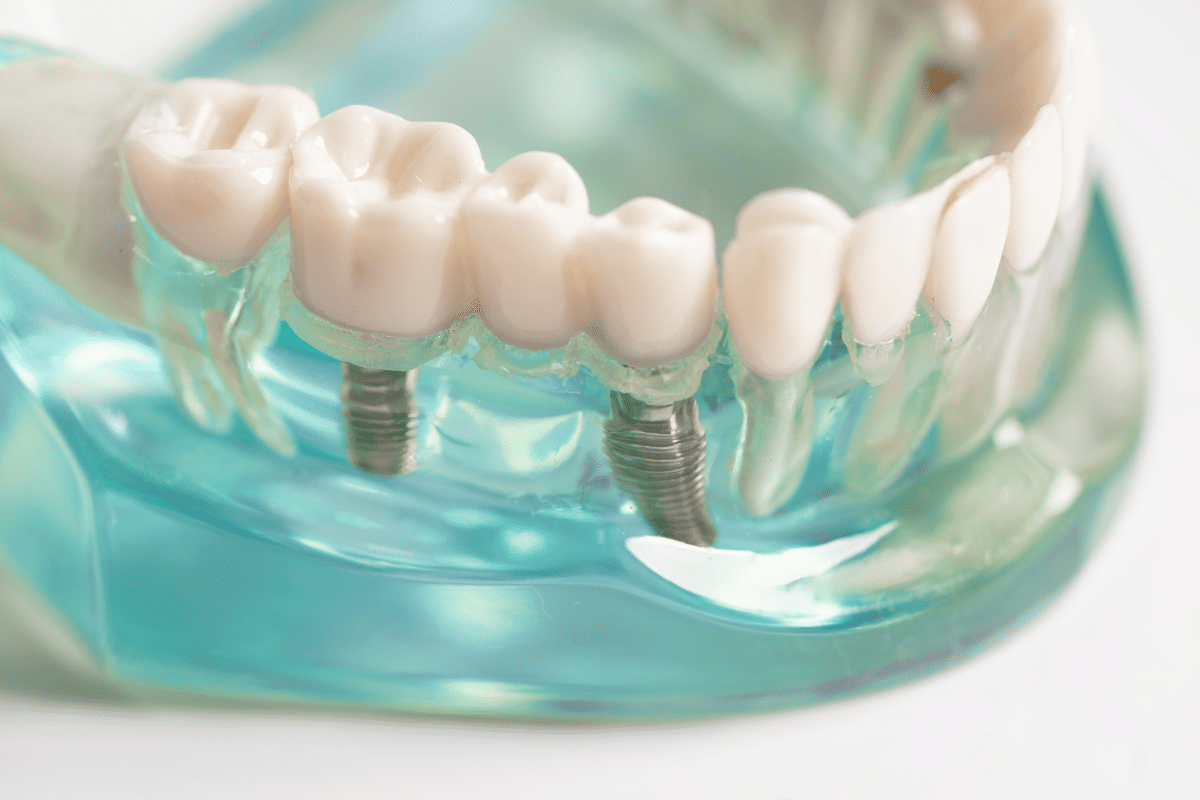
So while the implant post might never need to be replaced, the complete implant system may require some maintenance every decade or so.
Why Dental Implants Are Still Worth It
When you consider the longevity, durability, and natural appearance of implants, it’s easy to see why they’re a preferred solution for missing teeth. While other options like bridges or dentures may need frequent adjustments or replacements, implants offer a more permanent and comfortable solution.
Here’s why many people choose dental implants over traditional options:
- Look and feel like natural teeth
- No slipping or clicking like dentures
- Preserve jawbone structure
- High success and satisfaction rates
- Long-term cost-effectiveness
At our dental practice, the experienced team ensures every implant is placed with precision, giving you the best chance for a successful and long-lasting result.
FAQs About the Lifespan of Dental Implants
Are dental implants safe for everyone?
Most healthy adults are good candidates for implants, but people with uncontrolled diabetes, smoking habits, or bone loss may need additional treatment before getting implants.
Do dental implants hurt during or after the procedure?
The implant procedure is done under local anesthesia, so most patients feel minimal discomfort. Some soreness may occur afterward, but it’s usually manageable with over-the-counter pain relief.
Can dental implants fail? If yes, why?
Yes, although rare, implants can fail due to poor oral hygiene, smoking, gum disease, or improper placement. Choosing an experienced provider and taking care of your oral health can reduce the risk.
How long does it take to heal after getting a dental implant?
Healing usually takes between 3 to 6 months for the implant to fully integrate with the jawbone. During this time, a temporary crown may be used before placing the final restoration.
Will I need a bone graft before getting implants?
Not everyone needs a bone graft, but it may be necessary if your jawbone is too thin or soft to support the implant. Your dentist will assess this during your consultation.
Ready for a Long-Term Smile Solution?
If you’re still wondering how long dental implants last, the answer is clear: with the right care and placement, they can be a lifetime solution. But like any dental treatment, their success depends on both your dentist and your daily habits.
Whether you’ve lost a single tooth or need a full-mouth restoration, our durable dental implants in Brighton offer a reliable and natural-looking solution. Our team is committed to helping you enjoy a confident, functional smile for years to come!