
Dental implants are a popular solution for people seeking to restore their smiles after tooth loss. They offer a long-lasting and natural-looking alternative to traditional dentures and bridges. However, like any medical procedure, dental implants come with some disadvantages. At Brighton Healthy Smiles, we want to ensure you are fully informed about the pros and cons of dental implants so you can make the best decision for your dental health.
While dental implants are a remarkable innovation, they are not suitable for everyone, and the procedure has its challenges. Let’s take a closer look at the potential drawbacks of implants so you can weigh the pros and cons carefully.
Surgical Risks and Complications
Dental implants involve surgery, which means there are inherent risks associated with the procedure. Though rare, complications can occur during or after the surgery, such as:
- Infection: Any surgical procedure carries a risk of infection, and dental implants are no different. It’s essential to follow all post-operative instructions to minimize the risk.
- Implant failure: Sometimes the implant may not fuse properly with the jawbone, which could result in failure. This can happen if there isn’t enough healthy bone to support the implant or if the healing process is disrupted.
- Nerve damage: In some cases, implants can impact the nerves in the jaw, leading to numbness, tingling, or discomfort in the surrounding areas.
The good news is that these complications are rare and can often be avoided with careful planning and by choosing an experienced dentist. If you are concerned about these risks, speak with your dental professional about how to minimize them.
Long Healing Time
Unlike dentures, which are ready to use immediately, dental implants require time to heal and integrate with the jawbone. The healing process can take several months, which may cause inconvenience for some patients. During this time, you may need to follow a strict diet and avoid certain activities to ensure proper healing.
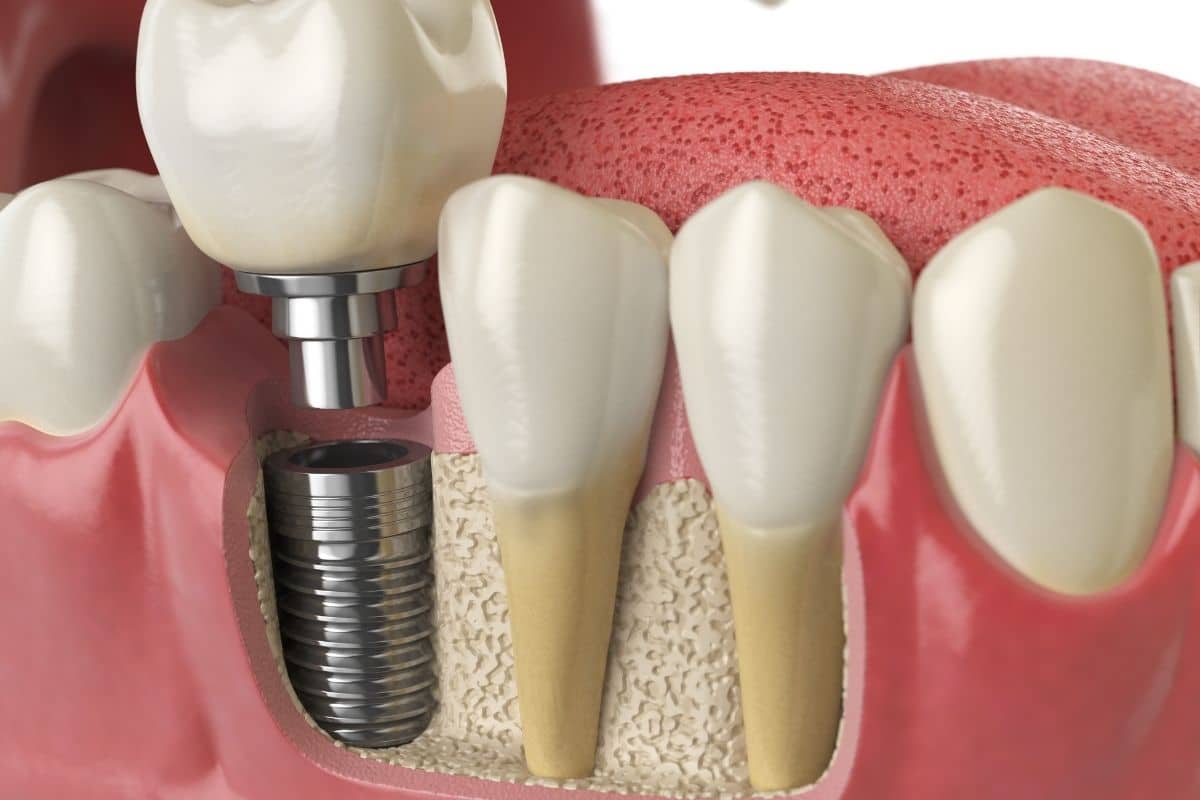
Typically, the process of getting a dental implant involves multiple stages:
- Initial consultation to assess your oral health and suitability for implants.
- Surgical placement of the implant into the jawbone.
- Healing and osseointegration period (usually 3 to 6 months) for the implant to fuse with the bone.
- Placement of the crown after the implant is securely integrated.
This lengthy healing process can be frustrating for patients looking for a quick solution. However, the long-term benefits of dental implants often outweigh the initial inconvenience of healing time.
Not Everyone is a Good Candidate for Dental Implants
While dental implants are an excellent solution for many people, they are not suitable for everyone. Certain conditions may prevent you from being a good candidate for the procedure, including:
- Insufficient bone density: The jawbone needs to be strong enough to support the implant. If you have bone loss due to gum disease or other factors, a bone graft may be required before implants can be placed.
- Chronic health conditions: Patients with uncontrolled diabetes, heart disease, or other serious health conditions may face challenges in the healing process, making implants less viable.
- Poor oral hygiene habits: Maintaining good oral hygiene is critical for the success of dental implants. If you struggle with gum disease or poor oral hygiene, implants may not be the best option for you.
Your dentist will perform a thorough examination to determine if you are a suitable candidate for dental implants.
Maintenance and Care Requirements
While dental implants are designed to be durable and long-lasting, they do require proper care and maintenance to ensure their longevity. Unlike natural teeth, implants cannot develop cavities, but they can still experience complications like:
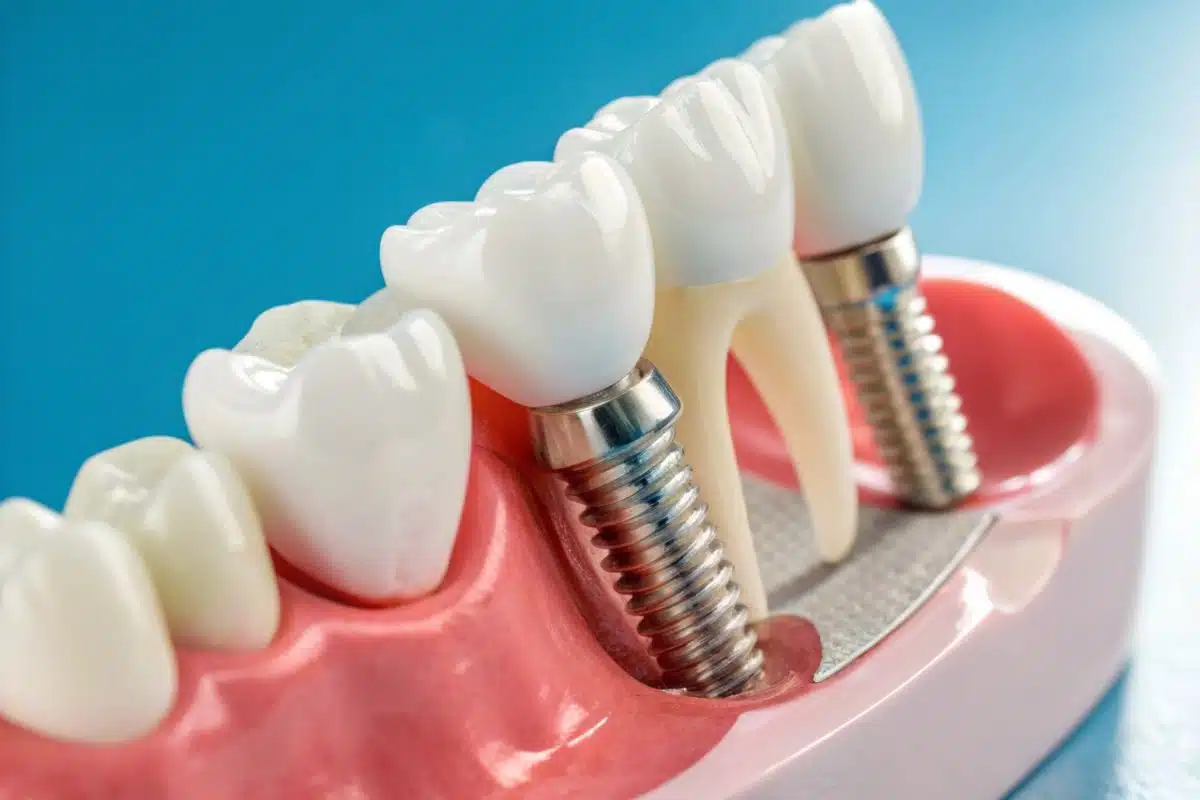
- Peri-implantitis: This is an infection of the gum tissue surrounding the implant, similar to gum disease. It can cause inflammation, bone loss, and, in severe cases, implant failure.
- Implant loosening: Over time, the implant may become loose due to a variety of factors, such as poor bone integration, excessive wear, or trauma.
To prevent these issues, it’s important to:
- Brush and floss regularly to keep the implant site clean.
- Visit your dentist regularly for check-ups and professional cleanings.
- Avoid habits like teeth grinding or chewing on hard objects that could damage the implant.
Maintaining good oral health habits is essential for ensuring that your dental implants last as long as possible.
Weighing the Pros and Cons of Dental Implants
Dental implants offer numerous advantages, such as long-lasting results, improved functionality, and a natural appearance. However, they are not without their drawbacks. The surgical risks, extended healing time, and specific care requirements can make implants a less appealing choice for some individuals.
At Brighton Healthy Smiles, we are committed to helping you make informed decisions about your dental care. If you’re considering dental implants in Brighton, our team is here to guide you through the process and discuss all the options available. Whether you’re looking for an alternative solution like dentures or bridges, or you feel dental implants are the right choice for you, we can provide the care and support you need to make the best decision for your smile.
Ready to explore your dental implant options? Contact us today to schedule a consultation with one of our experienced dental professionals. We look forward to helping you achieve a healthier, more confident smile.