Crowns are a common dental restoration used to protect and strengthen damaged teeth. While they play a vital role in oral health, some patients wonder: Are crowns actually stronger than natural teeth? This blog post delves into the strength of crowns compared to real teeth and explores the situations where a dentist might recommend them.
Understanding Tooth Structure: The Power of Enamel
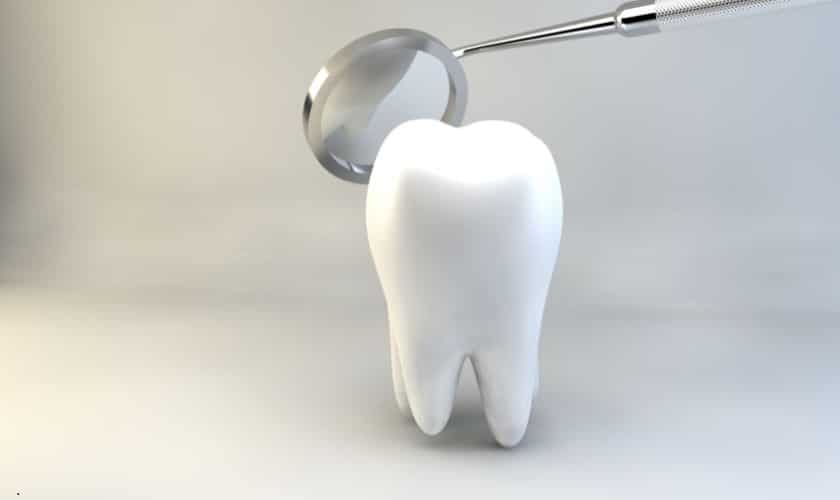
A healthy tooth has a remarkable structure designed for chewing and biting:
- Enamel: The outer layer of enamel is the hardest substance in the human body, acting as a protective shield for the tooth.
- Dentin: Beneath the enamel lies the dentin, a softer layer that provides structure and support to the tooth.
- Pulp: The innermost chamber, the pulp, contains nerves, blood vessels, and connective tissue.
A healthy tooth with intact enamel is remarkably strong. However, tooth decay, cracks, fractures, or extensive wear and tear can compromise its integrity.
The Strength of Dental Crowns: Restoring and Protecting Teeth
Crowns, crafted from durable materials like porcelain or zirconia, offer several advantages:
- Strength and Durability: Crowns are significantly stronger than natural tooth structures, especially dentin. They can withstand strong biting forces and resist cracking or fracturing.
- Protection: Crowns encase the entire tooth structure, shielding it from further damage caused by decay, wear, or trauma.
- Restoration: Crowns can restore the size, shape, and function of a damaged tooth, allowing for normal chewing and biting.
While crowns don’t possess the exact same properties as natural enamel, their strength and durability make them valuable tools for dentists to restore and protect teeth.
Crowns vs. Real Teeth: When Does Strength Matter Most?
Here’s a breakdown of scenarios where a dentist might recommend a crown based on strength considerations:
- Severely Damaged Teeth: Teeth with large cavities, cracks, or fractures require significant structural support. A crown provides the strength and stability needed to prevent further damage and potential tooth loss.
- Teeth After Root Canal Treatment: Following root canal therapy, the tooth becomes brittle. A crown protects the weakened tooth structure and prevents breakage.
- Extensive Wear and Tear: Teeth worn down due to grinding or excessive wear benefit from the added strength and protection offered by crowns.
- Cosmetic Enhancement: In some cases, crowns can address aesthetic concerns like severe discoloration or misshapen teeth, while also providing additional strength.
During a consultation, a dentist will assess the specific condition of your tooth and determine if a crown is the most suitable treatment option based on the level of damage and your individual needs.
Beyond Strength: Factors to Consider When Choosing a Restoration
While strength is a crucial factor, it’s not the only consideration when choosing a dental restoration. Here are some other aspects to discuss with your dentist:
- Material: Crowns come in various materials, each with advantages and disadvantages. Discuss options like porcelain, zirconia, or metal crowns with your dentist to determine the best choice for your situation.
- Durability: While crowns are generally durable, some materials might require replacement sooner than others. Understanding the longevity of different crown types can help you make an informed decision.
- Cost: The cost of crowns can vary depending on the material, location, and dentist. Discuss cost considerations and explore potential insurance coverage options.
Your dentist can guide you through the process of selecting the most appropriate restoration based on your specific needs and preferences.
Conclusion: Crowns as Partners in a Healthy Smile
Crowns, while not exactly stronger than natural teeth in every way, offer significant advantages in terms of strength, durability, and protection for damaged teeth. By working with your dentist, you can determine if a crown is the right solution to restore your oral health and maintain a beautiful smile.
Schedule an appointment with a dentist today to discuss your dental concerns and explore the best restoration options for a healthy and functional smile!