
Cavities, also known as dental caries, are a common dental concern. They occur when tooth enamel, the hard outer layer of your teeth, breaks down due to acid produced by plaque bacteria. While preventing cavities is ideal, what if you suspect a cavity is already forming? This blog post explores strategies to potentially slow down cavity growth and emphasizes the importance of consulting a dentist.
Disclaimer: The information provided here is for educational purposes only and should not be considered a substitute for professional dental advice. Early diagnosis and treatment by a dentist are crucial for managing cavities effectively.
Understanding Cavities: The Progression of Tooth Decay
Cavities develop in stages:
- Enamel Erosion: Plaque buildup from sugary and acidic foods creates acid that erodes tooth enamel, leading to white spots.
- Dentin Decay: If left untreated, the decay progresses into the softer dentin layer beneath the enamel, causing sensitivity and pain.
- Pulp Damage: In advanced stages, the decay reaches the pulp, the central chamber containing nerves and blood vessels, leading to severe pain and potential tooth loss.
Once a cavity forms, it won’t naturally heal on its own. However, you can potentially slow down the progression of decay and prevent further damage by implementing the following strategies:
Brushing and Flossing with Precision: Fighting Plaque Buildup
- Brushing: Meticulous brushing twice daily with fluoride toothpaste is essential. Focus on cleaning all tooth surfaces, including the chewing surface, back of the front teeth, and gum line.
- Flossing: Daily flossing removes plaque and food particles between teeth, where brushing can’t reach.
Dietary Modifications: Limiting Sugar and Acidic Foods
- Reduce Sugary Intake: Sugary foods and drinks provide fuel for plaque bacteria, accelerating tooth decay. Limit sugary snacks, candies, and sodas.
- Minimize Acidic Foods: Acidic foods and drinks can also erode tooth enamel. Consider limiting citrus fruits, juices, and certain sports drinks.
Fluoride: A Natural Defense Against Decay
- Fluoride: Fluoride strengthens tooth enamel and helps reverse early signs of decay. Use fluoridated toothpaste and consider fluoride supplements if recommended by your dentist.
Maintaining Hydration: The Power of Water
- Drinking Water: Staying hydrated helps flush away food particles and bacteria from your mouth. Water also promotes saliva production, which washes over teeth and helps neutralize acids.
Important Note: These strategies may help slow down cavity growth, but they cannot completely stop it. Early diagnosis and treatment by a dentist are crucial to prevent further damage, potential pain, and future complications.
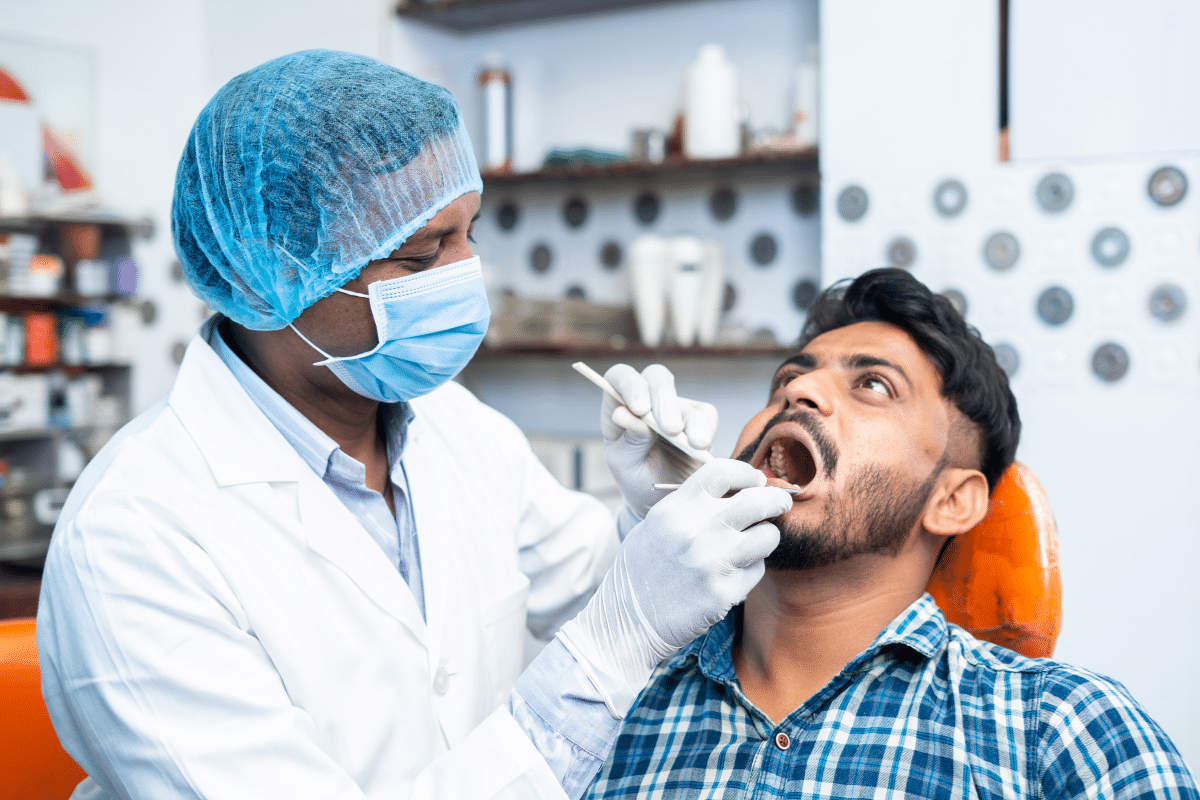
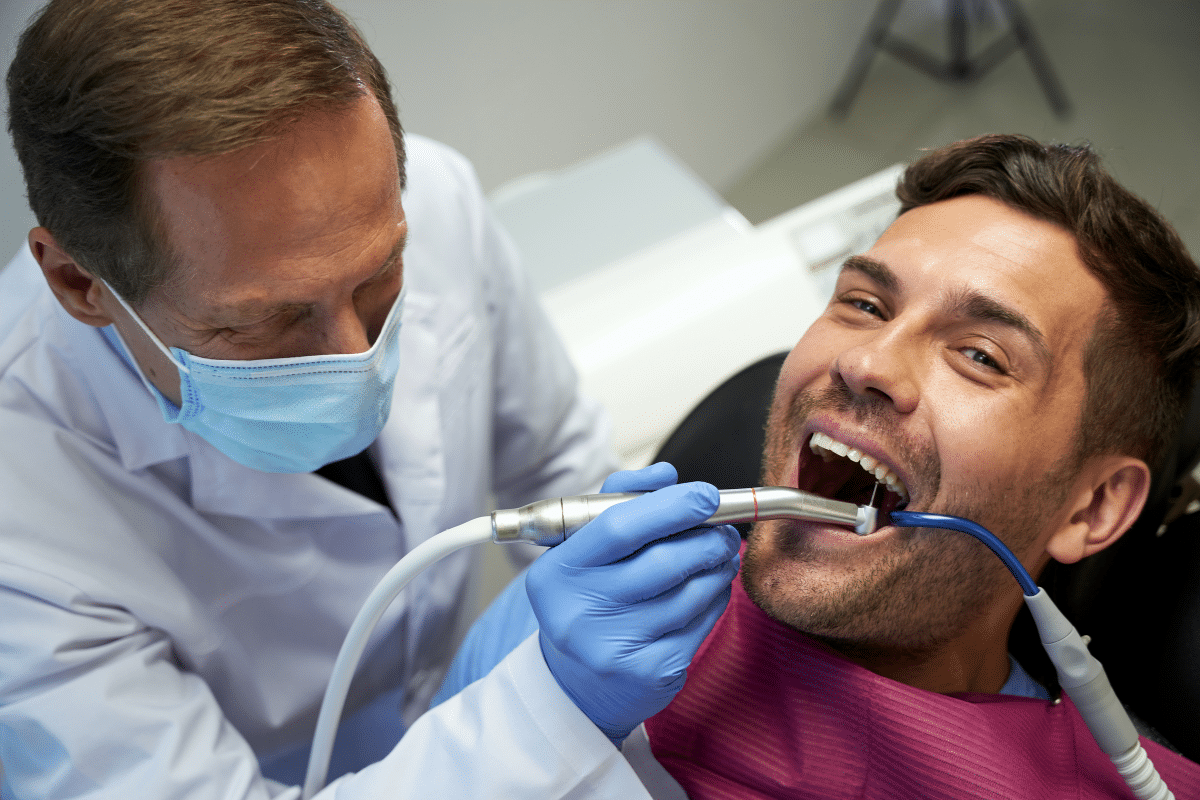
Consulting a Dentist: The Essential Step for Stopping Cavities
While the strategies mentioned above might offer some temporary relief, here’s why seeing a dentist is essential:
- Diagnosis and Treatment: A dentist can accurately diagnose the severity of the cavity and recommend the most appropriate treatment, such as fillings, crowns, or root canals in advanced cases. Early intervention can save teeth and prevent further complications.
- Professional Cleaning: Dentists can remove plaque and tartar buildup that brushing and flossing alone cannot reach, preventing further decay.
- Preventive Measures: Your dentist can recommend personalized oral hygiene practices and preventive treatments like fluoride treatments or sealants to safeguard your smile.
Scheduling regular dental checkups allows for early cavity detection and intervention, minimizing potential damage and treatment costs.
Conclusion: A Multifaceted Approach to Healthy Teeth
Preventing cavities and stopping them from growing requires a multi-pronged approach. While the strategies mentioned here can offer some support, consulting a dentist is crucial for proper diagnosis and effective treatment. By prioritizing good oral hygiene, dietary modifications, and regular dental visits, you can protect your smile and promote long-term oral health.
Schedule an appointment with a dentist today to discuss your concerns and create a personalized plan for a healthy and cavity-free smile!