
Oral cancer is a serious health concern, but the good news is that many cases are preventable. By adopting healthy lifestyle habits and scheduling regular dental checkups, you can significantly reduce your risk of developing this type of cancer. In this blog post, we’ll explore 11 effective ways to prevent oral cancer and empower you to take charge of your oral health.
Understanding Oral Cancer: Risk Factors and Early Detection
Oral cancer refers to cancers that develop in the mouth and throat, including the lips, tongue, cheeks, gums, and the floor and roof of the mouth. While anyone can develop oral cancer, certain factors can increase the risk:
- Tobacco Use: Smoking cigarettes, cigars, pipes, and chewing tobacco are all significant risk factors for oral cancer.
- Heavy Alcohol Consumption: Excessive alcohol consumption, particularly when combined with tobacco use, dramatically increases the risk of oral cancer.
- Human Papillomavirus (HPV) Infection: Certain strains of HPV, particularly HPV16, are associated with an increased risk of oropharyngeal cancer, a type of oral cancer affecting the throat.
- Sun Exposure: Exposure to ultraviolet (UV) rays can increase the risk of lip cancer.
- Diet: A diet low in fruits and vegetables and high in processed foods may contribute to oral cancer risk.
- Weakened Immune System: Individuals with compromised immune systems due to conditions like HIV/AIDS or undergoing certain medications might be at higher risk.
Early detection is crucial for successful treatment of oral cancer. Regular dental checkups allow dentists to screen for oral cancer and identify any suspicious lesions in their early stages.
Your Action Plan: 11 Strategies to Prevent Oral Cancer
Here are 11 practical steps you can take to reduce your risk of developing oral cancer:
- Kick the Tobacco Habit: Quitting tobacco use is the single most impactful step you can take to prevent oral cancer. Seek smoking cessation resources or talk to your doctor for support.
- Limit Alcohol Consumption: Moderate alcohol consumption is key. Discuss your alcohol intake with your doctor and aim to limit alcoholic beverages.
- Get Vaccinated Against HPV: The HPV vaccine protects against certain strains of HPV linked to oropharyngeal cancer. Vaccination is recommended for both boys and girls at the ages of 11 or 12.
- Protect Your Lips from the Sun: Regularly use a lip balm with SPF 30 or higher to shield your lips from harmful UV rays.
- Maintain a Healthy Diet: Incorporate plenty of fruits, vegetables, and whole grains into your diet. These foods are rich in vitamins, minerals, and antioxidants that support overall health and may reduce cancer risk.
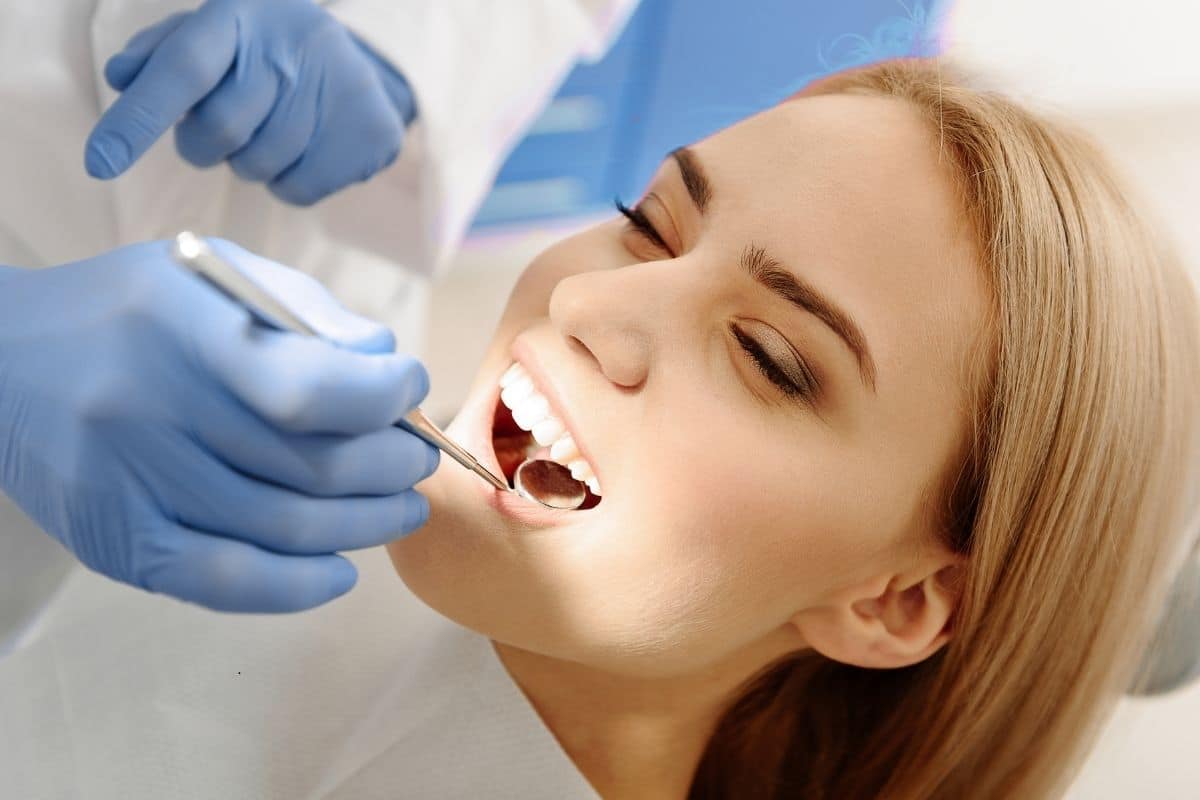
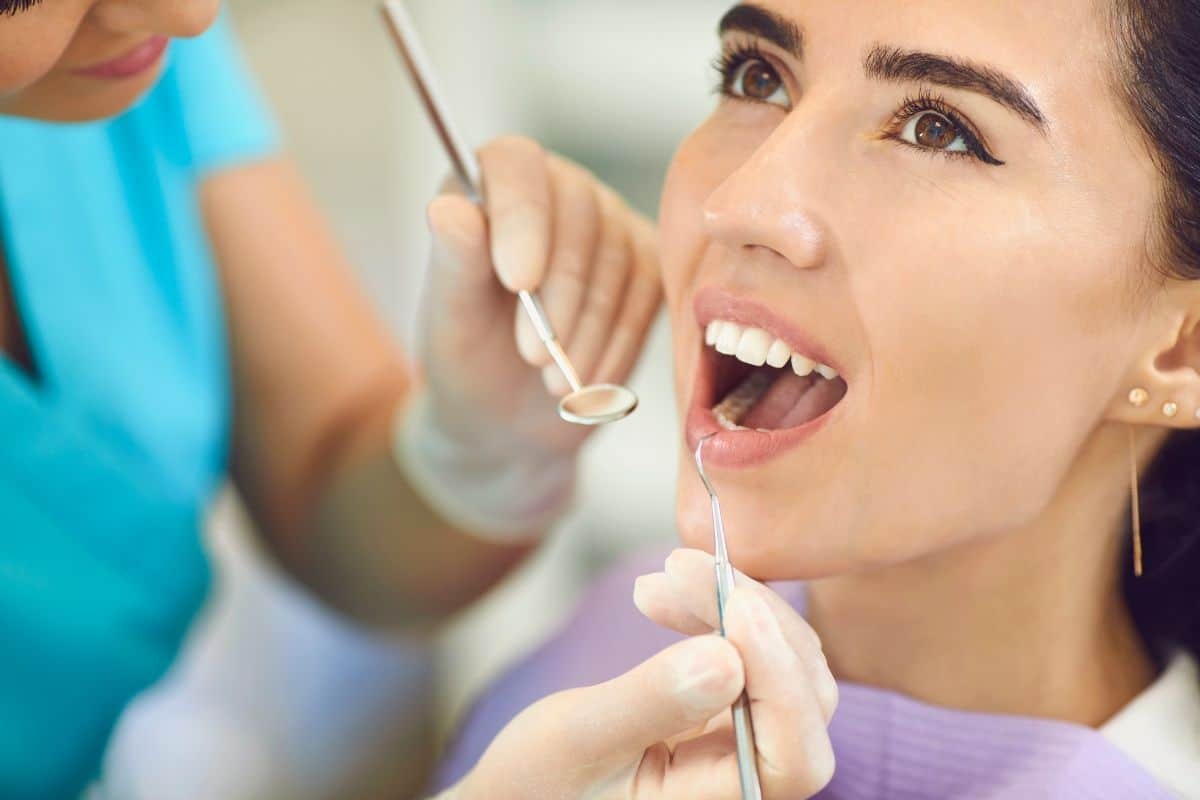
- Schedule Regular Dental Checkups: Visit your dentist for regular checkups and cleanings, typically every six months. Early detection of oral cancer is crucial, and your dentist can perform screenings during your appointments.
- Perform Self-Exams: Regularly examine your mouth for any unusual changes, such as white or red patches, sores that don’t heal, lumps, or changes in your bite. Report any concerns promptly to your dentist.
- Maintain Good Oral Hygiene: Brush your teeth twice daily with fluoride toothpaste and floss daily to remove plaque and bacteria that can contribute to oral health problems.
- Avoid Smokeless Tobacco Products: Chewing tobacco and other smokeless tobacco products are just as dangerous as smoking cigarettes when it comes to oral cancer risk.
- Manage Weight: Obesity may be linked to an increased risk of various cancers, including oral cancer. Maintaining a healthy weight through diet and exercise is essential.
- Limit Risky Sexual Behaviors: Certain sexually transmitted infections (STIs) like HPV can increase oral cancer risk. Practice safe sex to reduce your exposure to STIs.
Protect Your Smile, Protect Your Health: A Commitment to Oral Wellness
By incorporating these preventative measures into your everyday routine, you may significantly reduce your chance of developing oral cancer. Remember that prompt diagnosis is essential, so prioritize getting regular dental checkups and treating any problems as soon as they arise. If you have any questions about oral cancer risk factors or preventative actions, don’t be afraid to speak with your dentist.
Taking charge of your oral health is an investment in your overall well-being. A bright grin enhances your appearance and is good for your overall health. Take these preventive measures now to ensure that your smile lasts for many years!